Why Finding a Reliable Electric Car Mechanic Matters
Finding a reliable electric car mechanic is no longer optional, it's essential. Electric vehicles operate fundamentally differently from petrol cars, and the consequences of poor diagnosis or repair can be severe. A mishandled high-voltage system can damage battery longevity, void warranties, or create genuine safety hazards. Yet many vehicle owners still default to main dealers, unaware that independent specialists often deliver faster turnaround, lower costs, and more transparent diagnosis.
The challenge is knowing who to trust. Not every mechanic with a diagnostic scanner understands EV architecture. Not every technician who claims "EV experience" has the depth of knowledge required for complex fault codes or battery health assessment. This is where specialist knowledge becomes your protection.
At KMC Electric in Kettering, we've spent over 25 years in automotive repair, with dedicated EV qualifications since 2016. The difference between a competent generalist and a Level 4 Master Technician in electric vehicles shows up in the diagnosis, and in your repair bill. Below, we'll show you exactly how to evaluate a mechanic's credentials, ask the right questions, and avoid costly mistakes before booking your car in.
Key Certifications and Qualifications to Look For
The foundation of trust is qualification. A reliable electric car mechanic holds certifications that prove hands-on competency with high-voltage systems, not just theoretical knowledge.
Look for Level 4 Master Technician status in electric vehicles. This is the highest UK automotive qualification for EV specialists and requires documented experience, practical assessment, and ongoing professional development. It's not a one-day course, it represents thousands of hours of real diagnostic and repair work. A mechanic holding this credential has proven they can handle the most complex EV faults.
Professional illustration showing Close for reliable electric car mechanic
Beyond Level 4, look for specific manufacturer training. If your vehicle is a Tesla, ask whether the mechanic holds Tesla-specific diagnostics training or has completed manufacturer-recognised courses. For other EV brands, equivalent training matters equally. Generic "EV experience" without brand-specific depth is a red flag.
High-voltage safety certification is non-negotiable. Any mechanic working on EV battery systems, motor controllers, or charging infrastructure must hold formal high-voltage safety training (hse.gov.uk). This isn't bureaucracy, it's the difference between a safe repair and one that risks electrocution or fire. Ask directly: "Do you hold HSE-recognised high-voltage safety training?" If the answer is vague or they claim it's "not necessary," find another mechanic.
Years of EV experience matter, but context is crucial. Five years of genuine EV repair work is more valuable than ten years of occasional EV jobs mixed with petrol vehicles. Ask specifically how many EVs they service per month and what proportion of their workload is electric vehicles. A mechanic who specialises in EVs will have faster diagnostic turnaround and deeper familiarity with common fault patterns.
Questions to Ask Before Booking Your Electric Car Mechanic
Asking the right questions before you book reveals whether a mechanic has the depth you need. These aren't polite formalities, they're diagnostic tests of competency.
Experience with Your Specific Vehicle Model
Start here: "How many Model 3s (or your vehicle model) have you diagnosed and repaired in the last twelve months?" A reliable electric car mechanic won't need to think about this. They'll give you a specific number. If they hedge or say "quite a few," they lack the volume experience you want.
Follow up: "What are the three most common faults you've seen in my model year?" This reveals whether they've built pattern recognition. A specialist will rattle off specific issues, perhaps battery management system faults, specific thermal management problems, or known software glitches in certain production years. A generalist will give vague answers like "battery problems" or "electrical issues."
Ask about warranty implications: "If I bring my car to you before the warranty expires, will you work within Tesla's (or the manufacturer's) service protocols?" Some independent mechanics will honour warranty terms; others won't. You need to know upfront whether out-of-warranty repairs are your only option or whether they can handle pre-warranty diagnostics without voiding coverage.
Diagnostic Equipment and High-Voltage Safety
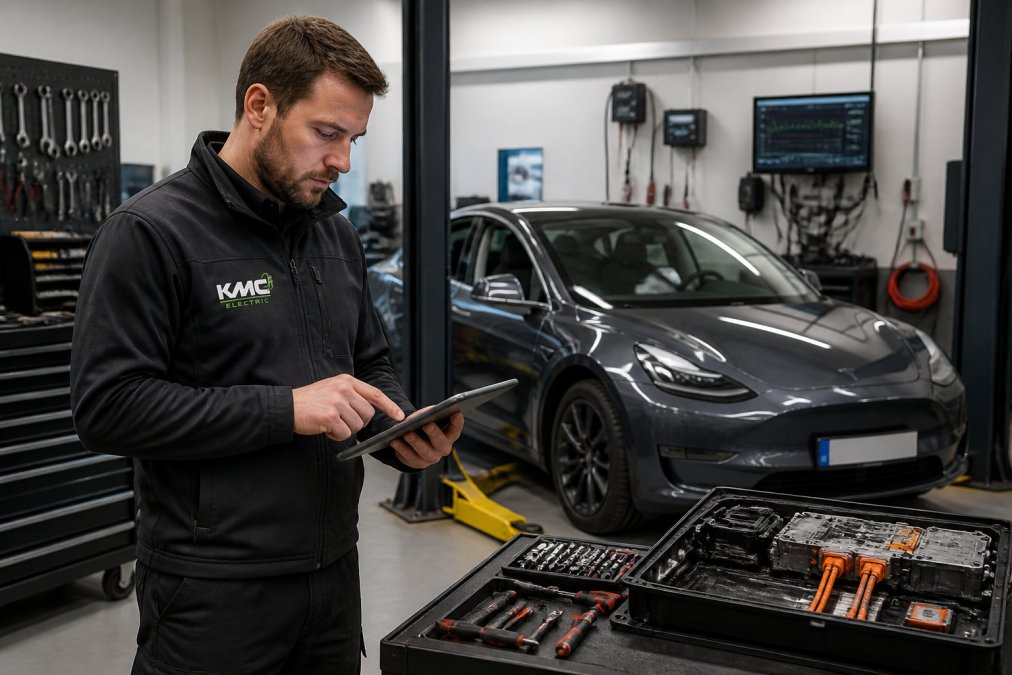
This is where technical depth becomes visible. "What diagnostic equipment do you use for EV fault codes?" A reliable electric car mechanic will name specific tools, perhaps Gemini, or OBD-2 scanners with EV-specific modules. They might reference Tesla-specific diagnostic software or manufacturer-approved equipment. Generic answers like "standard diagnostic tools" suggest they're not equipped for EV complexity.
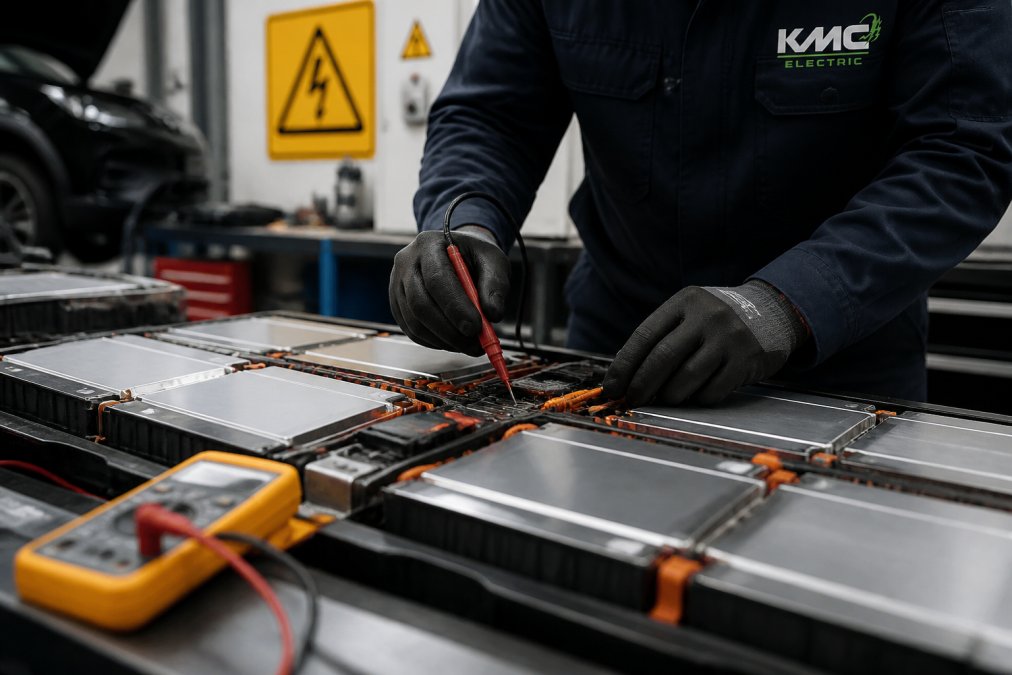
Ask directly: "Can you perform a battery state-of-health check?" This is critical if you're buying a used EV or concerned about battery degradation. Not all mechanics can measure actual battery capacity, internal resistance, or cell imbalance. Those who can will describe their methodology, whether they're using thermal imaging, voltage profiling, or manufacturer-specific battery diagnostic protocols.
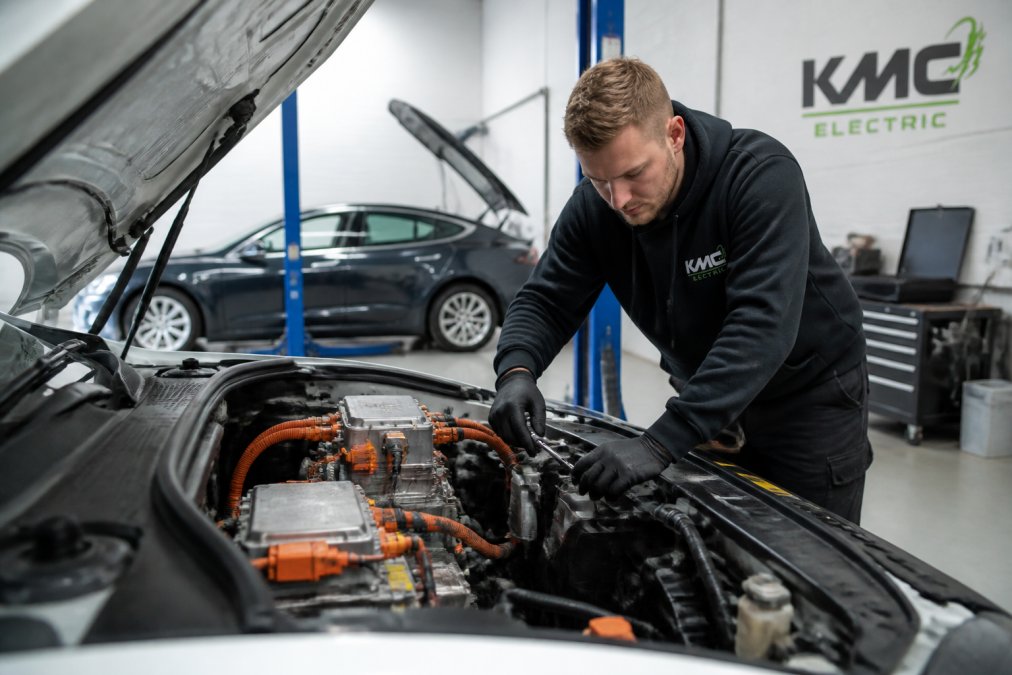
High-voltage safety is non-negotiable: "What's your procedure for isolating high-voltage systems before repair?" A competent answer includes disconnecting the 12V battery, waiting for capacitor discharge, using insulated tools, and testing for zero voltage before work begins. If they're vague about this, they're not qualified.
Understanding EV Service Intervals in Your Area
Electric vehicles require fundamentally different maintenance schedules than petrol cars. Understanding what your vehicle actually needs, not what a main dealer recommends, can save hundreds of pounds annually.
EVs have no oil changes, no spark plugs, no timing belts. The brake fluid still needs periodic flushing, coolant systems require servicing, and suspension components wear like any car (gov.uk). But the interval patterns are different. Many EV owners are shocked to discover their car doesn't need a service for 20,000 miles or more, yet main dealers still recommend annual visits.
A reliable electric car mechanic will explain your vehicle's actual service intervals based on manufacturer guidance, not sales targets. They'll tell you when brake fluid flush is genuinely needed, when thermal management systems require attention, and when software updates matter. In Kettering and surrounding areas, independent specialists like KMC Electric can access manufacturer service schedules and advise on cost-effective maintenance that extends vehicle life without unnecessary expense.
Battery thermal management is the one area where EV maintenance diverges most from petrol vehicles. Overheating or underheating the battery pack reduces longevity (peer-reviewed research). A specialist mechanic will monitor coolant condition, check for leaks in thermal lines, and ensure the battery management system is functioning correctly. This proactive approach catches problems before they become expensive battery degradation.
Ask your mechanic: "Based on my driving patterns and climate, what maintenance does my EV actually need this year?" A generic answer suggests they're following a checklist rather than thinking about your specific vehicle and usage.
Cost of Electric Car Servicing vs Petrol: What to Expect
The financial case for EV ownership improves significantly when you understand servicing costs. Electric vehicles are cheaper to maintain than petrol equivalents, but the savings vary by vehicle age and condition.
Routine servicing on a modern EV typically costs less than a comparable petrol car because there's no oil, spark plugs, or transmission fluid to replace. However, out-of-warranty battery work or high-voltage system repairs can be substantial. This is where specialist diagnosis becomes financially critical, a mechanic who correctly identifies a minor fault before it cascades into battery degradation saves you thousands.
The cost difference between main dealer and independent specialist is significant. Main dealers operate with higher overhead and warranty obligations that inflate labour rates. Independent specialists in Kettering and the surrounding region often deliver identical technical quality at a lower cost, particularly for diagnostic work and out-of-warranty repairs.
For battery health assessments on used EVs, specialist independent diagnostics provide genuine value. Rather than guessing whether a 60,000-mile battery is degraded, a proper state-of-health check gives you concrete data before purchase. This is far cheaper than discovering battery problems after you've bought the car.
Ask for a detailed quote before work begins. A reliable electric car mechanic will itemise labour, parts, and diagnostics separately so you understand where money is going. Vague quotes or pressure to authorise work without clear breakdown are warning signs.
Red Flags: What to Avoid When Choosing an EV Mechanic
Certain warning signs indicate a mechanic lacks the specialisation you need. Watch for these patterns.
If a mechanic claims "all cars are basically the same now" or suggests EV repair is "just like petrol cars with different fuel," they don't understand EV architecture. Electric vehicles require fundamentally different diagnostic approaches, safety protocols, and repair methodologies. A mechanic who doesn't acknowledge this gap lacks the depth you need.
Pressure to authorise expensive repairs without detailed diagnosis is a red flag. A reliable electric car mechanic will explain what they've found, show you the diagnostic data, and discuss options before quoting. If they're pushing battery replacement or major component work without clear evidence, seek a second opinion.
Unwillingness to discuss high-voltage safety or dismissal of safety procedures suggests inadequate training. This isn't a cost-cutting measure, it's a genuine safety hazard. Walk away immediately.
Vague claims about "EV experience" without specifics are suspect. How many EVs per month? What brands? What certifications? A specialist will answer these clearly. Evasion suggests they're overstating their capabilities.
If they can't explain the fault in terms you can understand, they may not fully understand it themselves. A competent mechanic translates technical diagnosis into clear language. If they're hiding behind jargon, question whether the diagnosis is sound.
How to Verify Specialist Knowledge and Track Record
Beyond credentials and questions, verify a mechanic's track record through concrete evidence.
Ask for references from recent EV customers. A reliable electric car mechanic will provide contact details for three to five customers who've had similar work done. Call them. Ask about turnaround time, whether the diagnosis was accurate, and whether the repair resolved the problem or created new issues. Real feedback is far more reliable than online reviews alone.
Step-by-step visual guide for reliable electric car mechanic
Check whether they're registered with relevant trade bodies. In the UK, membership with the Institute of the Motor Industry (IMI) or similar professional organisations indicates commitment to standards and ongoing training. These bodies maintain records of complaints and disciplinary action, giving you a safety net if something goes wrong.
Ask about their diagnostic process. How long does a typical EV diagnostic take? What does it include? A thorough diagnosis of a complex fault might take 2-3 hours. If they're claiming 30-minute diagnostics on intricate problems, they're not going deep enough.
Look for transparency about warranty on repairs. A reliable electric car mechanic will warranty their work, typically 12 months or 12,000 miles for parts and labour. If they won't guarantee their repairs, question their confidence in the diagnosis.
For battery work specifically, ask about their warranty on battery health assessments. If they've performed a state-of-health check and declared the battery good, will they stand behind that assessment if problems emerge within six months? Willingness to offer this guarantee demonstrates confidence in their diagnostic accuracy.
In Kettering and the wider region, KMC Electric's Level 4 Master Technician status and 25+ years of automotive experience provide the foundation for this kind of transparency. Our track record with Tesla and other EV brands is verifiable through customer feedback and documented case histories of complex diagnostics and repairs.
Conclusion
Finding a reliable electric car mechanic requires looking beyond convenience and price. The right specialist protects your vehicle's longevity, identifies problems before they become expensive, and gives you genuine peace of mind about safety and warranty implications.
Prioritise certifications, especially Level 4 Master Technician status and high-voltage safety training. Ask specific questions about your vehicle model, diagnostic equipment, and service intervals. Verify track record through references and professional registration. Avoid mechanics who oversimplify EV repair or pressure you into work without clear diagnosis.
If you're an EV owner in Kettering, Northamptonshire, or the surrounding East Midlands, KMC Electric offers the specialist knowledge and transparent approach you need. With Level 4 Master Technician credentials, Tesla-specific expertise, and independent battery health verification, we provide cost-effective alternatives to main dealer maintenance while extending your vehicle's service life and identifying potential faults before they escalate. Get in touch to discuss your EV's needs and discover how specialist diagnosis can protect your investment.
Frequently Asked Questions
Q: What qualifications should a reliable electric car mechanic have?
A: Look for technicians with Level 4 Master Technician status in electric vehicles, specialist EV qualifications, and experience working with your specific vehicle model. They should hold current high-voltage safety certifications and demonstrate knowledge of EV-specific systems like battery management, thermal systems, and regenerative braking. Ask how long they've been working with electric vehicles and request examples of work they've completed on similar models.
Q: Do I need to take my electric car to a main dealer for servicing?
A: No. Independent specialists with proper EV qualifications can handle most servicing and repairs, often at lower cost than main dealers. However, check your warranty terms—some manufacturers require main dealer servicing while under warranty. Once out of warranty, a reliable independent electric car mechanic can provide the same quality work with greater flexibility and transparency about costs.
Q: How do I know if a garage is qualified to work on high-voltage EV systems?
A: Ask directly about their high-voltage safety certification and training. They should be able to explain how they isolate and safely work with the battery and electrical systems. Request details about their diagnostic equipment—proper EV diagnostics require specialist tools. Check whether they're insured for high-voltage work and ask for references from other EV owners they've serviced.
Q: What's the difference between cost of electric car servicing vs petrol cars?
A: Electric cars typically have lower servicing costs because they have fewer moving parts and no oil changes needed. However, specialist diagnostic work and battery health checks may cost more than basic petrol servicing. Brake fluid and coolant still need regular maintenance. A reliable electric car mechanic can explain what your specific vehicle needs and help you avoid unnecessary work, making servicing predictable and cost-effective compared to main dealer rates.