Tesla vehicles are engineered differently from traditional petrol or diesel cars, which means their tesla maintenance schedule differs significantly. Many owners assume Teslas need less maintenance because they lack combustion engines, but the reality is more nuanced. The absence of oil changes doesn't mean the absence of maintenance, it simply shifts focus to different systems.
At KMC Electric, we've worked with many Tesla owners across Northamptonshire and Leicestershire. The truth is that a proper tesla maintenance schedule requires understanding what actually needs attention and when.
Professional illustration showing Professional, Tesla for tesla maintenance schedule
Tesla's own guidance recommends checking specific systems at set intervals, but many items depend on driving conditions, climate, and how intensively you use the vehicle. Battery management, brake fluid integrity, cabin air filtration, and drivetrain fluid all require attention, just not in the traditional pattern owners expect. The challenge for most Tesla owners is distinguishing between marketing claims about "minimal maintenance" and the practical reality of keeping an electric vehicle running reliably for years.
Your tesla maintenance schedule should be customised to your vehicle's age, mileage, and warranty status. A newer Model 3 still under warranty has different priorities than a 2019 Model S with 100,000 miles. Out-of-warranty owners face particular challenges because they can no longer rely on dealer support and must find independent specialists who understand Tesla systems deeply enough to diagnose problems accurately.
Pro TipThe most common mistake Tesla owners make is conflating "fewer moving parts" with "no maintenance needed." Fewer parts actually means each component works harder, making early detection of wear critical.
Tesla Cabin Air Filter Replacement Interval and Schedule
The tesla cabin air filter replacement interval in the UK typically falls between 15,000 and 30,000 miles, depending on driving conditions and air quality in your area (tesla.com). Tesla's official guidance suggests checking the filter every 12 months, but many owners don't know where to find it or what condition triggers replacement.
Cabin air filters in Teslas sit behind the glove box and filter air entering the cabin climate system. Unlike engine air filters in traditional vehicles, this filter doesn't affect engine performance, it affects passenger comfort and air quality. If you drive frequently on motorways, your filter accumulates fewer contaminants than someone driving through urban areas with higher pollution levels. Kettering's mixed urban and rural environment means some owners will need replacement sooner than others.
The replacement process itself is straightforward enough for owners with basic mechanical confidence, though many prefer professional installation to avoid accidental damage to trim panels. The tesla cabin air filter replacement interval can be shortened if you notice reduced airflow from vents, musty odours when the climate system runs, or visible dust accumulation on the filter itself. In damp UK winters, mould growth on the filter is common, a sign that replacement is overdue.
Key TakeawayCheck your cabin air filter annually. If you live in an area with high pollution or drive frequently in dusty conditions, replace it every 12 months rather than waiting for the 30,000-mile mark.
Brake Fluid Testing and Maintenance for Tesla Owners in the UK
Brake fluid in Tesla vehicles requires periodic testing and replacement, even though Teslas use regenerative braking far more than traditional cars. Many owners assume that because their brake pads last longer due to regenerative braking, the brake fluid itself needs less attention. This is incorrect. Brake fluid absorbs moisture from the air regardless of how often you physically brake.
The tesla brake fluid test UK standard recommends fluid inspection every two years or 24,000 miles (gov.uk). Brake fluid degrades over time as it absorbs moisture, and moisture reduces the fluid's boiling point, a critical safety factor. In the UK's damp climate, this process accelerates. A brake fluid test measures moisture content and identifies whether replacement is necessary. Many independent specialists, including KMC Electric, can perform this test quickly and inexpensively.
Regenerative braking means your friction brakes engage less frequently, but when they do engage, particularly in emergency stops or on steep descents, they must function perfectly. Old, moisture-contaminated brake fluid can lead to spongy brake pedal feel or, in worst cases, brake failure. The cost of preventative brake fluid testing and replacement is trivial compared to the cost of brake system repairs or the safety risk of degraded braking performance.
For owners in Kettering and surrounding areas with older Teslas or vehicles approaching warranty expiry, brake fluid testing becomes especially important. Independent specialists like KMC Electric test first and recommend replacement only when necessary, which typically saves owners money without compromising safety.
Watch OutNever ignore a soft or spongy brake pedal. This is often the first sign of moisture-contaminated brake fluid. Have it tested immediately, waiting can turn a simple fluid replacement into an expensive brake system repair.
Battery Health Checks and EV Battery Health Check Services
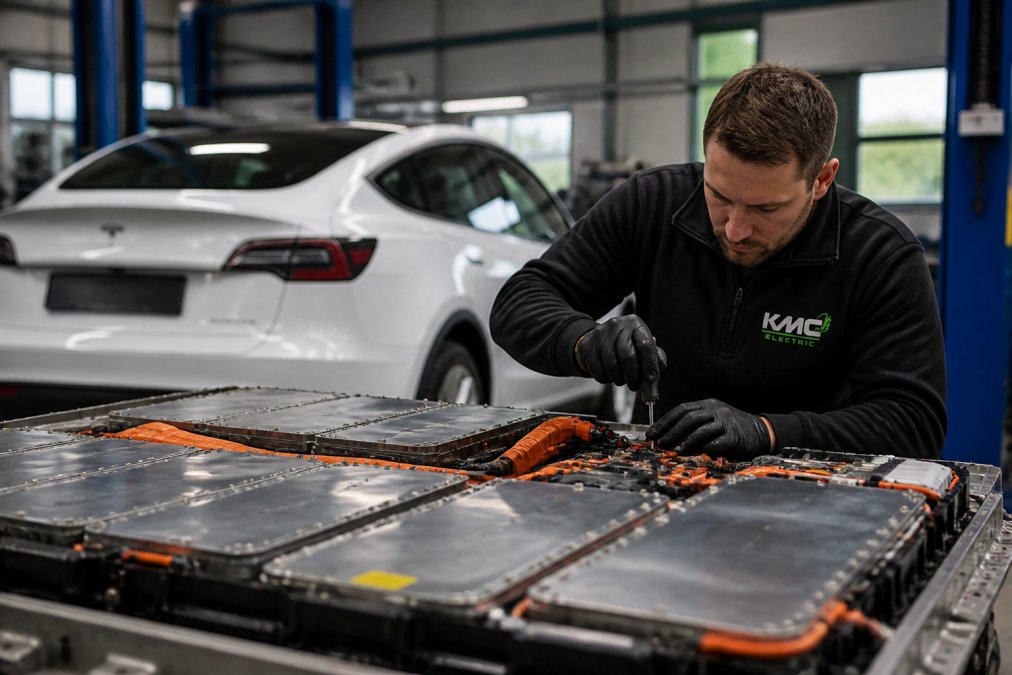
The battery is the most expensive component in any Tesla, and battery health directly determines the vehicle's long-term value and reliability. An EV battery health check is not a cosmetic inspection, it's a diagnostic assessment that measures the battery's state of health, remaining capacity, and degradation rate. For used vehicle buyers in the Midlands, an independent EV battery health check before purchase can prevent expensive surprises.
Tesla batteries degrade gradually. A new battery typically retains 95-98% of its capacity after the first year, then degrades roughly 1-2% per year under normal use (peer-reviewed research). After five years, you might expect 90-95% capacity retention. However, aggressive charging habits, extreme temperatures, and high-mileage usage can accelerate degradation. An EV battery health check reveals whether a specific vehicle has experienced abnormal degradation that suggests previous damage, poor charging practices, or underlying defects.
Many owners believe Tesla's onboard battery management system provides sufficient monitoring. It doesn't. Tesla's system manages battery temperature and charging to prevent damage, but it doesn't provide detailed health diagnostics that independent specialists can access. A professional EV battery health check uses diagnostic equipment to measure actual capacity, internal resistance, cell balance, and thermal characteristics, data that reveals the battery's true condition.
For dealership service managers across the East Midlands who handle Tesla trade-ins or used inventory, an independent battery assessment from specialists like KMC Electric provides confidence in pricing and prevents liability if battery issues emerge shortly after sale. For private buyers, a pre-purchase battery check costs far less than discovering degradation issues months after purchase.
Pro TipIf you're buying a used Tesla with over 80,000 miles, an independent battery health check is worth the investment. It's the single best predictor of whether you're buying a reliable vehicle or inheriting expensive problems.
Fluid Changes and Drivetrain Maintenance
Despite having no engine oil to change, Tesla vehicles do require fluid maintenance in other systems. Brake fluid, as covered above, needs periodic replacement. Equally important is drivetrain fluid, which lubricates the reduction gearbox and differential in the rear motor assembly.
Tesla's official guidance recommends drivetrain fluid inspection every 50,000 miles and replacement every 100,000 miles under normal conditions. However, many independent specialists and owner experiences suggest more frequent checks are prudent, particularly for vehicles in the UK where roads are often damp and salt-treated in winter. Contaminated or degraded drivetrain fluid can lead to transmission noise, reduced efficiency, and eventual gearbox failure.
The tesla maintenance schedule should include a drivetrain fluid inspection at least every 25,000 miles, with replacement every 50,000 to 75,000 miles depending on driving conditions and fluid analysis results. This is one area where independent specialists like KMC Electric can provide cost-effective alternatives to dealership service. We stock quality Tesla drivetrain parts and fluids, allowing owners to maintain their vehicles without main dealer markups.
Coolant systems also require attention. Tesla's cooling system manages battery temperature, motor temperature, and cabin climate. Coolant degrades over time and should be inspected annually and replaced every 4-6 years depending on mileage and condition. Neglecting coolant maintenance can lead to battery thermal management issues, reduced performance, and potential battery damage.
Preparing for Out-of-Warranty Tesla Maintenance
When a Tesla's manufacturer warranty expires, ownership dynamics shift dramatically. Warranty coverage typically lasts three years or 60,000 miles (whichever comes first), with battery and drivetrain coverage extending to eight years or 120,000 miles. Once these protections end, owners must plan for maintenance and repair costs independently.
Professional illustration showing tesla maintenance schedule
The transition to out-of-warranty ownership requires a different approach to the tesla maintenance schedule. You can no longer rely on dealership warranty claims to cover unexpected repairs. This is where independent specialists become invaluable. Owners in Northamptonshire and Leicestershire who've worked with KMC Electric report significant savings by switching to independent service before warranty expiry, allowing us to identify and address minor issues before they become expensive failures.
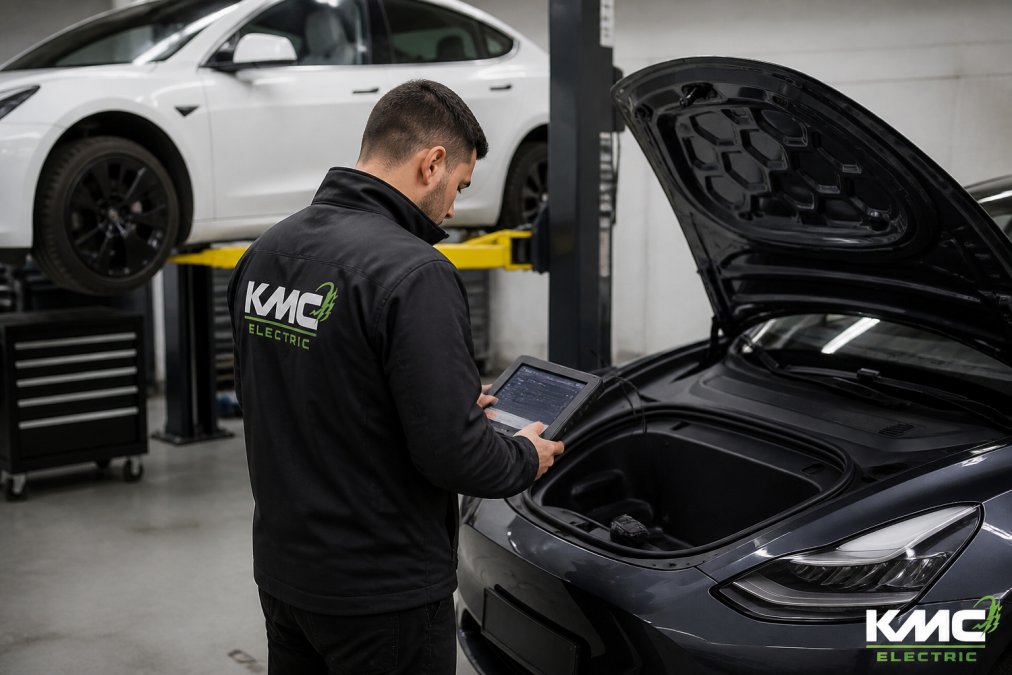
Pre-warranty-expiry diagnostics are critical. Many owners wait until something fails, then discover multiple issues that compound repair costs. A comprehensive diagnostic assessment before warranty ends can reveal battery degradation trends, fluid contamination, electrical faults, and wear patterns. Addressing these proactively often costs far less than reactive emergency repairs.
Establishing a relationship with an independent specialist before warranty expiry is strategic. You'll have baseline diagnostics on file, understand your vehicle's specific condition and quirks, and have a trusted partner for post-warranty maintenance. KMC Electric's Level 4 Master Technician status in electric vehicles and over 25 years of automotive experience means we can diagnose and fix issues that many general garages cannot.
Key TakeawaySchedule a comprehensive diagnostic assessment 2-3 months before your warranty expires. This investment typically costs far less than the repairs it prevents and gives you confidence in your vehicle's condition going forward.
Common Tesla Maintenance Issues and Prevention
Certain issues appear repeatedly across the Tesla owner community, and understanding them helps you prevent costly failures. Air suspension problems affect many Model S and Model X vehicles, particularly those with higher mileage. The air suspension compressor can fail, leading to vehicle sagging or inability to raise to normal ride height. Early detection through diagnostic scanning can identify compressor issues before complete failure occurs.
Brake caliper corrosion is common in the UK's damp climate. Even though regenerative braking means friction brakes engage infrequently, the brake calipers can seize or corrode if not exercised regularly. Owners who rarely use friction brakes sometimes discover seized calipers during inspections. Regular brake use, gentle braking once weekly to exercise the system, prevents this issue.
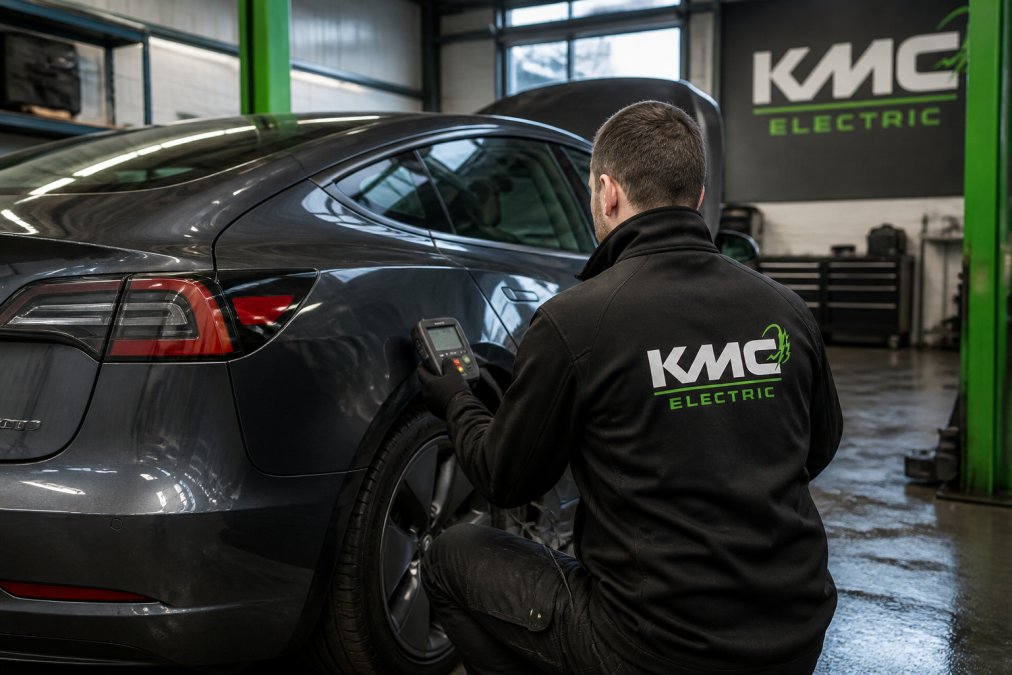
Electrical faults are another common category. Faulty relays, corroded connectors, and software glitches can trigger warning lights and reduce vehicle functionality. These issues often require specialist diagnostic equipment to identify accurately. Independent specialists with proper diagnostic tools can isolate the real problem and recommend cost-effective solutions.
Battery thermal management faults occasionally occur, particularly in vehicles with high mileage or history of extreme temperature exposure. These faults reduce charging speed, limit performance, or trigger warning messages. Early detection through battery health diagnostics allows intervention before battery damage occurs.
Water ingress into door seals, window regulators, and other components is common in UK vehicles exposed to frequent rain and salt spray. Regular inspection of seals and drainage holes prevents water damage to electrical systems and interior trim. This is simple preventative maintenance that costs nothing but attention.
Out-of-warranty Tesla ownership doesn't have to be expensive or stressful. A proactive tesla maintenance schedule tailored to your vehicle's age, mileage, and condition prevents surprises and extends service life. KMC Electric specialises in exactly this scenario, independent Tesla diagnosis, repair, and long-term maintenance for owners in Kettering, Northamptonshire, and across the East Midlands. We identify potential faults before warranty expiry, provide cost-effective alternatives to main dealer repairs, and offer independent battery health verification for buying or selling. Get in touch with KMC Electric for a diagnostic assessment and discover how specialist independent service protects your investment.
Frequently Asked Questions
Do Teslas require annual servicing in the UK?
Tesla's don't need annual servicing in the traditional sense, but they do require scheduled maintenance checks. Cabin air filters, brake fluid, and battery health should be inspected regularly. Once your vehicle is out of warranty, independent specialists can provide these checks. Regular maintenance extends vehicle life and identifies problems early, preventing expensive repairs later.
What's included in a Tesla maintenance schedule for owners?
A comprehensive Tesla maintenance schedule covers cabin air filter replacement every 12 months or 20,000 miles, brake fluid testing annually, tyre rotation and inspection, battery health assessment, drivetrain fluid checks, and electrical system diagnostics. Out-of-warranty owners benefit from independent specialists who can identify fault codes and address issues before they become costly. Proactive maintenance prevents battery degradation and keeps your Tesla performing reliably.
How much does independent Tesla maintenance cost compared to main dealers?
Independent Tesla specialists typically charge significantly less than main dealers for diagnostics and repairs. Routine maintenance like cabin air filter replacement and brake fluid testing through independent providers can offer a cost-effective alternative. For out-of-warranty vehicles, independent specialists offer transparent pricing and practical fixes without unnecessary upsells.
Can independent specialists service my Tesla if it's still under warranty?
Yes, independent specialists can perform diagnostics and maintenance on warranty vehicles. However, warranty repairs must be handled by Tesla or an approved centre to maintain coverage. Independent specialists are valuable for identifying issues early, providing second opinions on fault codes, and preparing comprehensive reports before warranty expiry. This proactive approach helps you understand your vehicle's condition and plan for out-of-warranty maintenance.