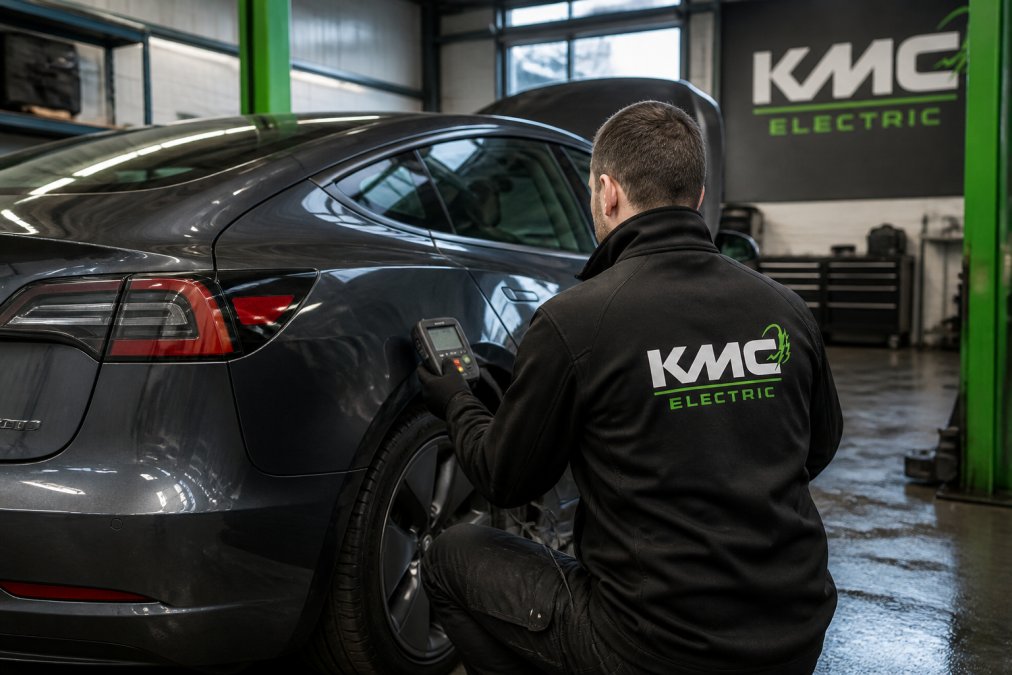
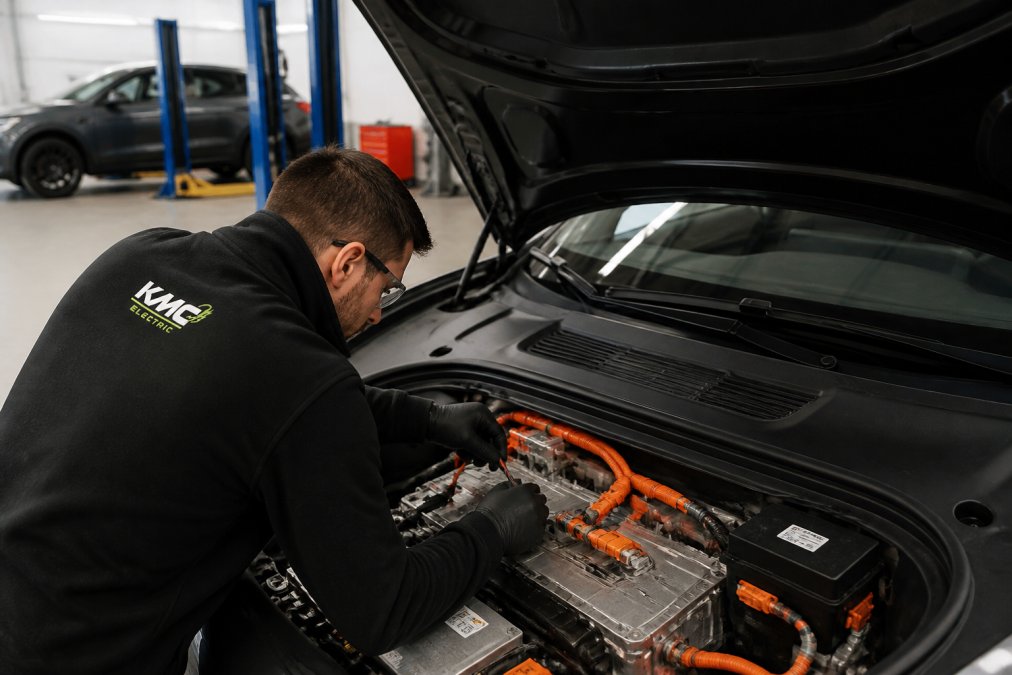
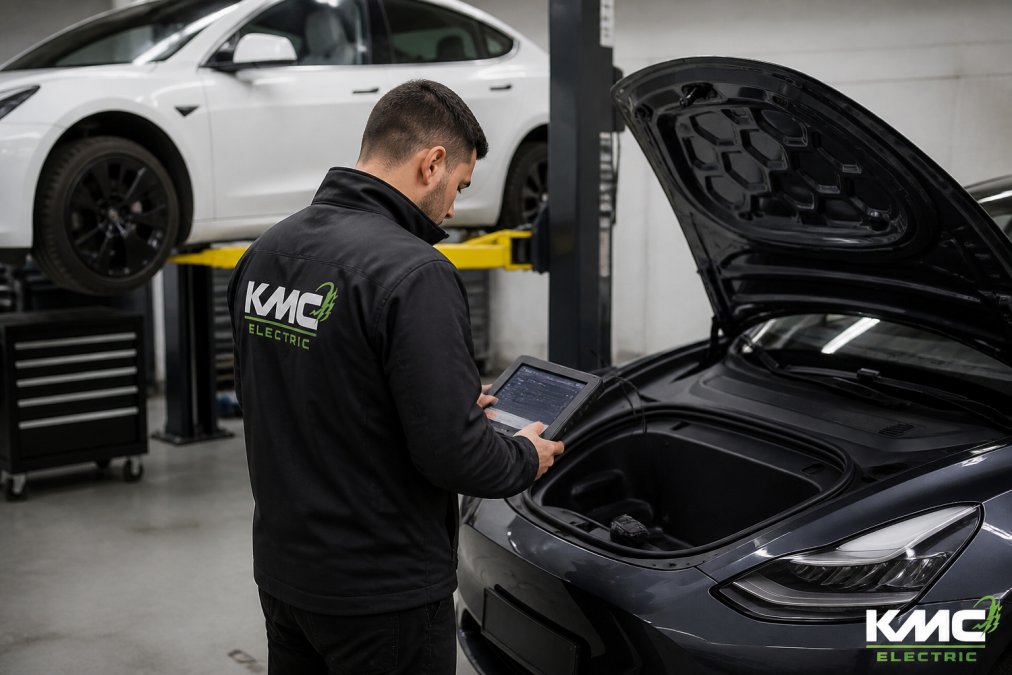
A comprehensive used Tesla inspection examines the vehicle's electrical systems, battery health, software diagnostics, and mechanical components to identify faults before purchase or warranty expiry. Unlike a standard MOT, which verifies only roadworthiness and emissions compliance, a Tesla-specific inspection digs into the systems that define Tesla ownership: the battery management system, high-voltage architecture, thermal management, and over-the-air update history.
Professional illustration showing Professional, Tesla for used tesla inspection service
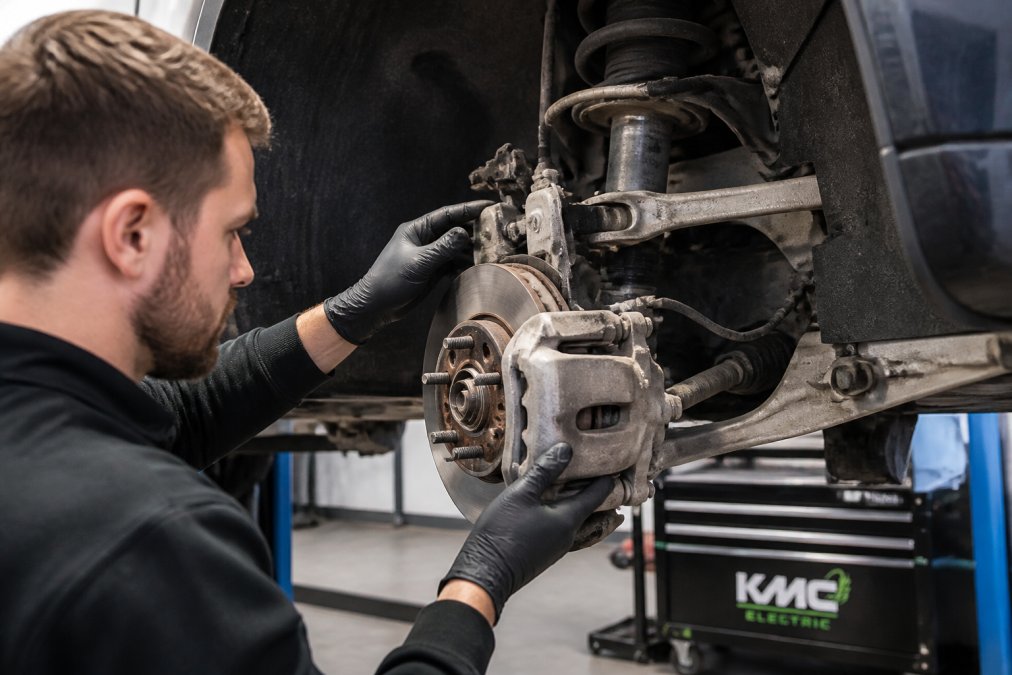
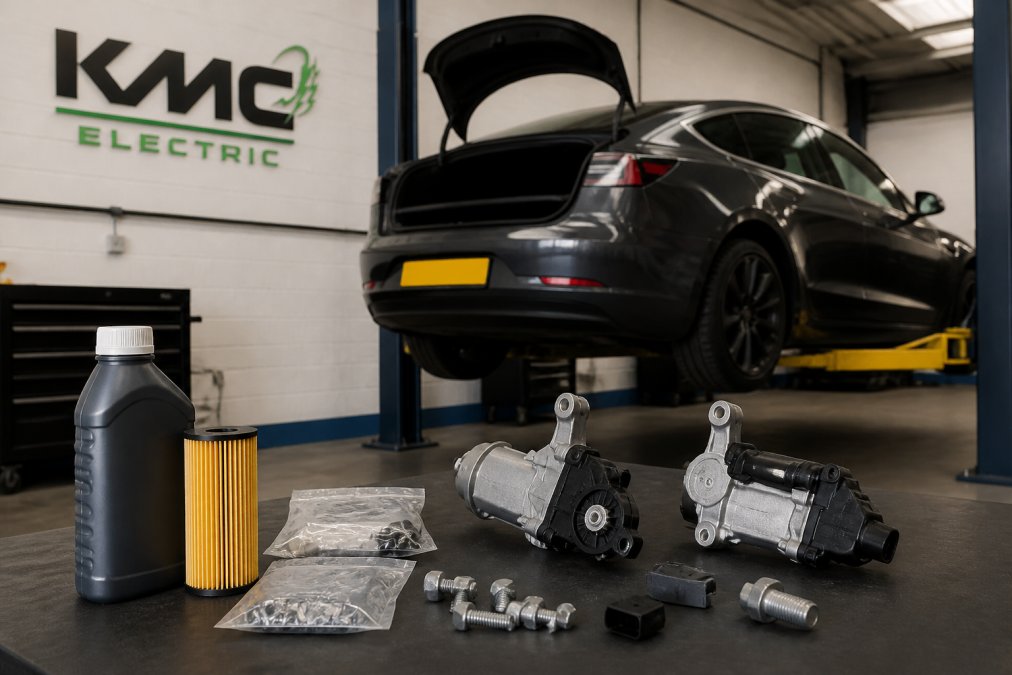
The inspection covers battery state-of-health (SoH) assessment, which measures remaining capacity and degradation patterns. A technician will review the vehicle's complete service history, including any software recalls or pending updates. Brake system diagnostics are essential, Tesla's regenerative braking means brake pads wear differently than conventional vehicles, and the electric parking brake motor can develop faults that aren't obvious during a test drive.
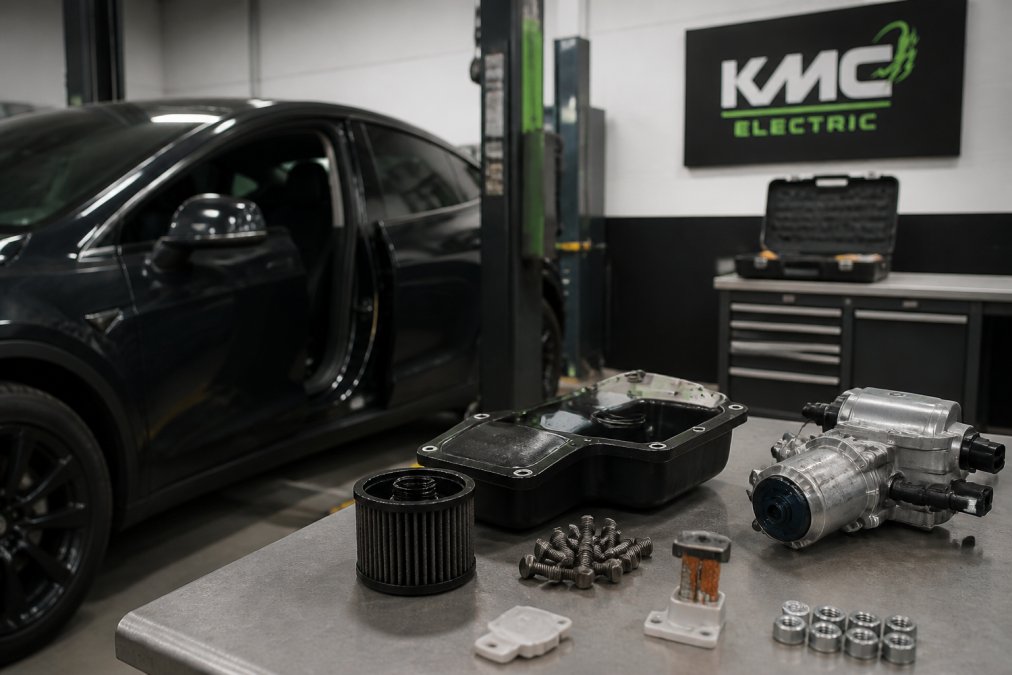
Suspension geometry, steering components, and door handle mechanisms are examined. Tesla door handles are notorious for sticking or failing to respond, particularly on Model S vehicles. Wheel condition, tyre wear patterns, and wheel nut integrity are verified. The inspection also flags evidence of previous collision damage, water ingress, or corrosion, particularly important for used vehicles that may have been charged in harsh weather or stored in damp conditions.
Software diagnostics pull fault codes from the vehicle's onboard computer systems. These codes reveal recurring issues, intermittent faults, or systems operating outside normal parameters. A technician with Level 4 Master Technician status in electric vehicles, like those at KMC Electric, can interpret these codes in context and determine whether they represent a genuine safety concern or a minor sensor anomaly.
Pro TipRequest the complete Supercharging history and home charging logs before purchase. These show how the vehicle was charged, how often rapid charging was used, and whether the owner maintained healthy charging practices. Frequent rapid charging to 100% reduces long-term battery longevity.
Tesla Battery Health Check Cost in the UK
Battery health assessment is the most critical part of a used Tesla inspection. Independent specialists typically charge between £150 and £300 for a comprehensive battery report that includes state-of-health percentage, degradation rate, and remaining usable capacity.
This investment protects you from purchasing a vehicle with a degraded battery that will need expensive replacement within a few years. A Tesla battery replacement can cost £8,000 to £15,000 depending on the model, so a pre-purchase inspection is essential due diligence (tesla.com). Many buyers skip this step, then discover at warranty expiry that the battery has degraded below acceptable levels.
The battery health check uses specialised diagnostic equipment that communicates directly with the battery management system. This reveals not just the current state-of-health, but the degradation trajectory. A 5-year-old Model 3 with 80,000 miles that has lost 5% capacity is in healthy condition; one that has lost 20% suggests either aggressive charging habits or an underlying fault.
Independent specialists in Kettering and across Northamptonshire can provide this assessment without main dealer markup. An independent specialist like KMC Electric focuses on practical, cost-effective solutions that extend vehicle service life rather than pushing unnecessary replacements.
Watch OutAvoid buying a used Tesla with a battery health report showing degradation above 15% unless the price reflects the cost of battery replacement. A battery at 85% SoH today will likely drop to 75-80% within 2-3 years, at which point range loss becomes noticeable and the vehicle's resale value drops sharply.
Used Electric Vehicle Inspection Checklist
A thorough used electric vehicle inspection checklist ensures no critical system is overlooked:
Critical for battery thermal management and comfort
Charging Port
Connector condition, port door function, corrosion
Essential for daily operation; replacement is costly
Download this checklist and review it with the technician before the inspection begins. A technician should spend 2-3 hours on a comprehensive used Tesla inspection; if they promise results in under an hour, they're cutting corners.
How to Check a Vehicle Is Taxed and MOT Compliant
Before purchasing any used vehicle, verify its tax and MOT status using the official government service. The DVLA (Driver and Vehicle Licensing Agency) provides a free online check at gov.uk where you can enter the registration number and confirm the vehicle tax is current and the MOT certificate is valid.
A vehicle with an expired MOT or unpaid tax cannot be legally driven on UK roads. Check these details before handing over money. If the MOT is due to expire within 30 days, factor in the cost of renewal. Electric vehicles like Teslas benefit from zero vehicle tax, so the tax band should show £0 annually (gov.uk).
Key TakeawayAlways run the DVLA check yourself using the registration number. Do not rely on the seller's assurance that tax and MOT are current; verify it independently before agreeing to purchase.
Why Independent Specialists Matter for Used Tesla Inspections
Main dealer networks prioritise parts sales and extended warranties. An independent specialist like KMC Electric, with over 25 years of automotive experience and Level 4 Master Technician status in electric vehicles since 2016, focuses on identifying the root cause and recommending the most cost-effective fix.
For example, a door handle that fails to respond electrically might simply need recalibration or a firmware update, a 30-minute job costing under £100. A main dealer might recommend replacing the entire handle assembly at a higher cost. An independent specialist has the technical knowledge to distinguish between genuine faults and sensor anomalies, and the independence to recommend repair over replacement when repair is viable.
Independent specialists understand the real-world reliability patterns of used Teslas. They've seen which components fail frequently, which are design weaknesses, and which are one-off manufacturing defects. This experience allows them to spot red flags during inspection that a less experienced technician might miss. When you purchase a used Tesla through an independent inspection in Kettering or Northamptonshire, you're buying from someone who knows the vehicle's actual vulnerabilities.
Independent specialists offer transparent diagnostics and practical repair options. If a fault is discovered during inspection, they can often repair it immediately rather than booking you into a service queue weeks away.
Best ForIndependent specialists are ideal for out-of-warranty vehicles, pre-purchase inspections, and buyers who want a second opinion after a main dealer diagnosis. They're also essential if you need cost-effective repairs on vehicles nearing warranty expiry.
Common Tesla Issues Found During Pre-Purchase Inspections
Professional illustration showing Technician, Tesla for used tesla inspection service
Certain faults appear repeatedly in used Tesla inspections. Door handle failures are extremely common, particularly on Model S vehicles where the motorised handle mechanism can fail to extend or retract. This isn't a safety issue, but it suggests the electrical system has been stressed.
Brake system issues are frequent in high-mileage vehicles. Regenerative braking means friction brakes are used less often, so they can corrode or seize from inactivity. The electric parking brake motor occasionally fails, preventing the vehicle from being parked securely. During inspection, the technician will verify that both regenerative and friction braking function smoothly.
Battery degradation is critical. Most used Teslas show 5-10% capacity loss per 100,000 miles, which is normal (peer-reviewed research). However, some vehicles degrade faster, suggesting either aggressive charging habits or an underlying battery management system fault. A comprehensive battery health check reveals whether degradation is within acceptable parameters.
Suspension and steering components wear faster in Teslas because the vehicles are heavier due to battery weight. Shock absorbers, bushings, and tie rods degrade more quickly. Suspension noise, clicks, or clunks over bumps is common in high-mileage vehicles and often requires component replacement.
Software faults are equally important. Pending recalls, missing firmware updates, or recurring fault codes suggest the vehicle has been neglected or driven in harsh conditions. A technician will pull the complete fault code history and cross-reference it with known issues.
Climate control and thermal management faults are also common. The cooling system that regulates battery temperature is complex, and coolant leaks or compressor failures reduce efficiency and accelerate battery degradation.
Future-Proofing Your Used Tesla: What to Expect in 2026
A used Tesla purchased in 2026 should be evaluated not just for current condition, but for long-term viability. A 2016-2018 vehicle with 100,000+ miles is entering the phase where major components may need attention. Ensure the vehicle you're considering can receive software updates and that the seller has maintained current software.
Charging infrastructure in the UK continues to expand, but older Teslas may have older charging hardware that limits compatibility with newer Superchargers. Verify that the vehicle's charging port and onboard charger are compatible with current UK charging infrastructure.
Battery replacement technology is improving and costs are declining, but a battery replacement still represents a significant expense. A vehicle with 70-75% state-of-health is still viable for 3-5 more years of ownership, but one at 60% SoH is approaching the point where replacement becomes economically necessary.
Regulatory changes are also relevant. The UK government has set targets for EV adoption and is gradually phasing out petrol and diesel vehicles. This means used EV values are stabilising and, in some cases, appreciating. A used Tesla purchased at fair market value in 2026 is likely to hold value better than a comparable petrol car.
Pro TipRequest the vehicle's complete charging history from the Tesla app or from the seller. Vehicles charged primarily on home chargers typically show better battery longevity than vehicles charged frequently on Superchargers. This historical data is one of the best predictors of future reliability.
Maintenance costs for out-of-warranty Teslas are lower than many assume. Brake fluid, coolant, and cabin air filters need periodic replacement, but there's no oil to change, no spark plugs to replace, and no transmission fluid. However, electrical repairs and battery-related work are expensive. A vehicle with a solid pre-purchase inspection report and good battery health is likely to cost less to own than a vehicle purchased without proper diagnostics.
Purchasing a used Tesla without a professional inspection is a gamble. Battery health, electrical system integrity, and software status are invisible to the naked eye but critical to long-term ownership satisfaction. A comprehensive used Tesla inspection service in Kettering or across Northamptonshire provides the transparency and peace of mind that buying used vehicles demands.
KMC Electric's independent specialists bring over 25 years of automotive expertise and Level 4 Master Technician status in electric vehicles to every inspection. Rather than recommending unnecessary repairs, they identify practical, cost-effective solutions that extend vehicle service life and catch potential faults before they become expensive failures. Whether you're buying a used Tesla, selling one, or managing out-of-warranty repairs, an independent battery health assessment and complete diagnostic inspection protects your investment and ensures you understand exactly what you're purchasing or maintaining.
Frequently Asked Questions
Q: What does a used Tesla inspection cover in 2026?
A: A comprehensive used Tesla inspection covers battery health diagnostics, electrical systems, thermal management, suspension and brake components, door handles and seals, software diagnostics, and structural integrity. Independent specialists use specialist diagnostic equipment to identify hidden faults that standard MOT tests miss. This includes checking for degradation patterns, fault codes logged in the vehicle's memory, and potential future failures before they become costly repairs.
Q: How much does a Tesla battery health check cost in the UK?
A: Battery health assessment costs vary depending on the depth of analysis required. Independent specialists like KMC Electric offer transparent pricing and can identify whether battery degradation is within normal parameters or signals future replacement needs, helping you avoid expensive surprises after purchase.
Q: Why should I choose an independent specialist over a main dealer for Tesla inspections?
A: Independent specialists offer cost-effective alternatives, transparent diagnostics without sales pressure, and practical real-world fixes. Main dealers often recommend expensive component replacements when repairs suffice. Independent technicians with Level 4 Master Technician status in electric vehicles bring decades of automotive experience and specialised EV knowledge. They identify faults before warranty expiry and provide honest assessments about what actually needs fixing versus what can wait.
Q: Can you inspect a used Tesla if it's still under manufacturer warranty?
A: Yes, independent specialists can diagnose and inspect vehicles under warranty. However, any repairs identified may need to go through the manufacturer to preserve warranty coverage. Independent inspection is valuable for identifying potential issues early, understanding the vehicle's true condition, and planning for post-warranty maintenance. This gives you transparency about future costs and helps you decide whether to extend warranty coverage before it expires.