Why Used Electric Cars Make Sense for First-Time Buyers
A used electric car can be an excellent entry point into EV ownership, especially if you're concerned about the upfront cost of a new vehicle. The appeal is straightforward: you get established technology, proven reliability data, and a significantly lower purchase price than a new model. But here's what matters most, the real savings come after you buy it.
Used EVs cost considerably less to run than their petrol equivalents. Charging costs roughly a quarter of what fuel costs per mile, and maintenance is minimal compared to combustion engines. No oil changes, no spark plugs, no transmission fluid. The simpler drivetrain means fewer moving parts that can fail. For first-time buyers in Kettering and across Northamptonshire, this combination of lower purchase price and lower running costs makes a compelling case.
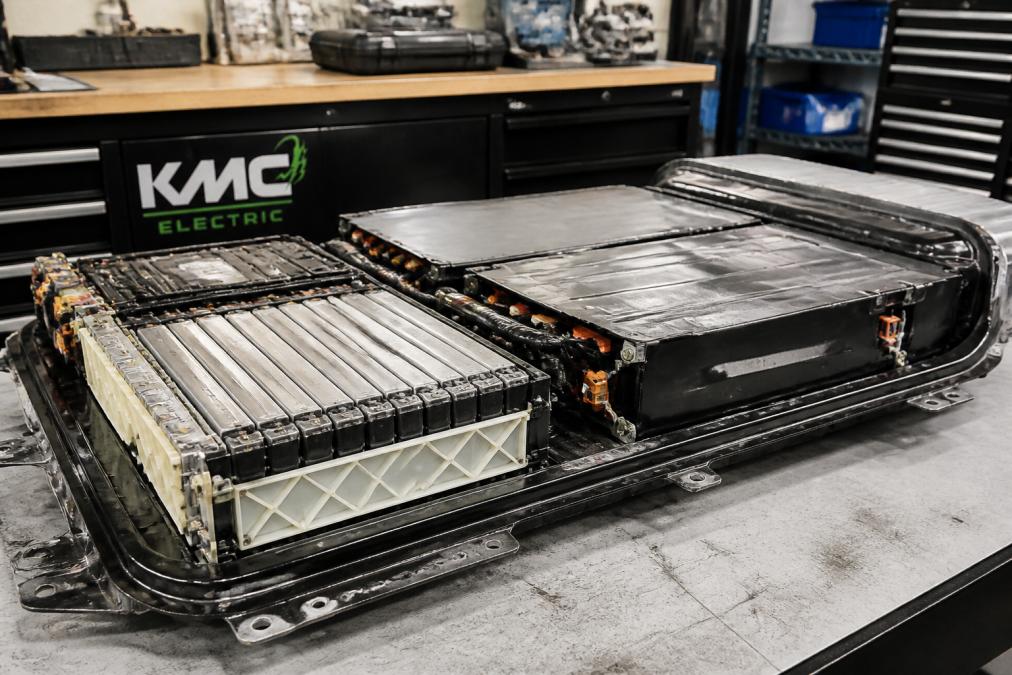
The catch? Battery health. Everything about buying a used electric car hinges on understanding the condition of the battery pack. It's the single most expensive component, and its remaining capacity directly affects the car's range and resale value. This is why independent assessment before purchase isn't optional, it's essential due diligence.
What to Check Before Buying a Used Electric Car
Before you even arrange an inspection, understand what matters. Age and mileage tell only part of the story with a used electric car. A five-year-old model with 60,000 miles might have a healthier battery than a three-year-old with 80,000 miles, depending on how it's been driven and charged.
Mileage and Age Considerations
Battery degradation happens gradually over time and use. Most modern EV batteries retain 80-90% of their original capacity after five years, but this varies by model, driving patterns, and charging habits. A car that's been charged daily to 100% will show more degradation than one charged to 80% most of the time.
Check the service history carefully. Has the car been regularly serviced? For a used electric car, this matters less for engine maintenance but more for electrical system checks, cooling system inspections, and brake fluid changes. Look for evidence that the vehicle has been properly cared for, not neglected or used harshly.
Climate and geography affect battery health too. Cars used primarily in cooler regions tend to show less degradation than those in hot climates. If you're buying from a seller in the South, factor in slightly more battery wear than the same age vehicle from Scotland.
Service History and Maintenance Records
Request all service records from the previous owner. For a used electric car, you're looking for evidence of regular health checks on the high-voltage battery system, thermal management system, and brake components. EVs have regenerative braking, which means the friction brakes wear more slowly than in conventional cars, but they still need periodic inspection.
Check whether any battery-related work has been done. Some owners have had battery replacements or repairs under warranty, this is important to know. A battery that's been repaired and recalibrated might perform differently than an original pack. Ask the seller directly about any warranty claims or technical issues they've experienced.
Look for charging patterns in the service records. Some dealers note whether the car has been charged regularly and maintained at sensible charge levels. A history of fast charging exclusively can indicate harder use on the battery.
Professional illustration showing Person for used electric car
Understanding Used EV Battery Health Checks
This is where most first-time buyers stumble. They assume the battery is fine because the car still drives, or they rely on the seller's assurance. Neither is sufficient. A used electric car's battery can be degraded enough to affect daily usability without being completely dead.
Why Battery Assessment Matters Before Purchase
The battery is typically 30-40% of the vehicle's total cost when new. If it fails after you buy, replacement costs are substantial. More importantly, a degraded battery directly affects range, which affects how usable the car is for your daily commute. A car rated for 250 miles of range with a 70% degraded battery gives you roughly 175 miles in real-world conditions. That's a significant difference if you're relying on it for longer journeys.
Battery health assessment gives you concrete data: the current capacity as a percentage of the original, the number of charge cycles the battery has experienced, and any anomalies in individual cell performance. This information lets you make an informed decision about whether the asking price is fair and whether the vehicle meets your needs.
What a Professional Battery Report Tells You
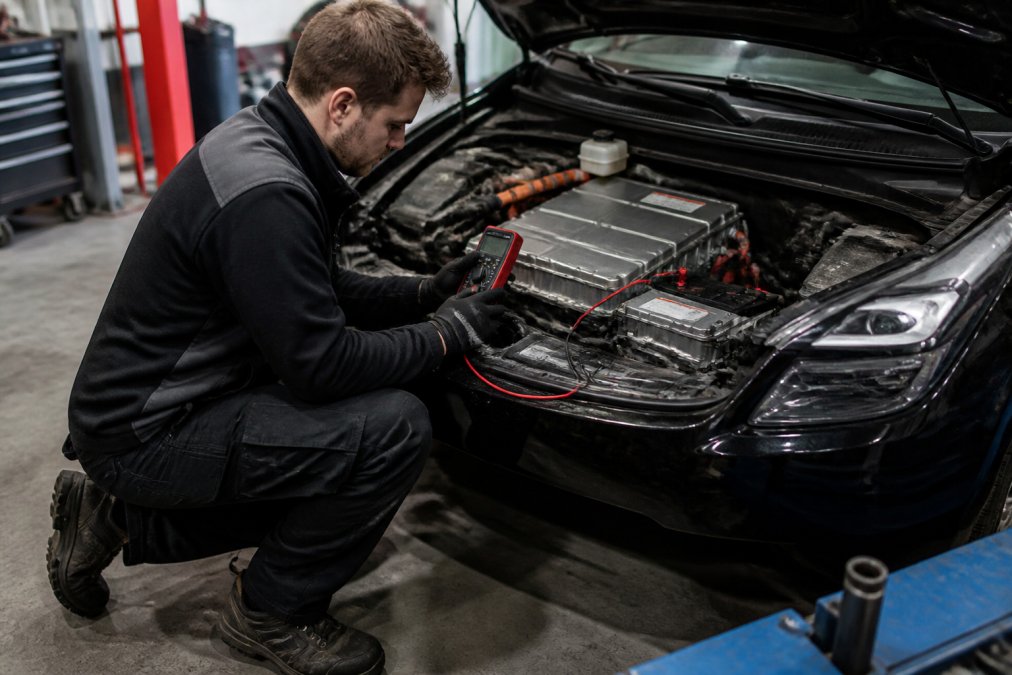
A professional battery health check, sometimes called a state-of-health assessment, measures several key parameters. It shows the battery's current capacity relative to its original specification, usually expressed as a percentage. It identifies any cells with lower voltage than others, which can indicate uneven degradation. It measures the battery's internal resistance, which affects charging speed and power delivery.
The report should also flag any thermal management issues. The battery cooling system keeps cells at optimal temperature during charging and driving. If this system isn't working properly, it accelerates degradation. A thorough assessment checks whether the thermal system is functioning as designed.
For a used electric car, you want this report in your hands before you commit to the purchase. It becomes your baseline for future reference and your evidence if you later need to challenge a warranty claim or resell the vehicle.
Getting an Independent EV Specialist Inspection
Don't rely on a main dealer's pre-sale check or the seller's assurance. A main dealer inspection is often cursory, they're not incentivised to find expensive problems. An independent EV specialist brings different expertise and genuine objectivity.
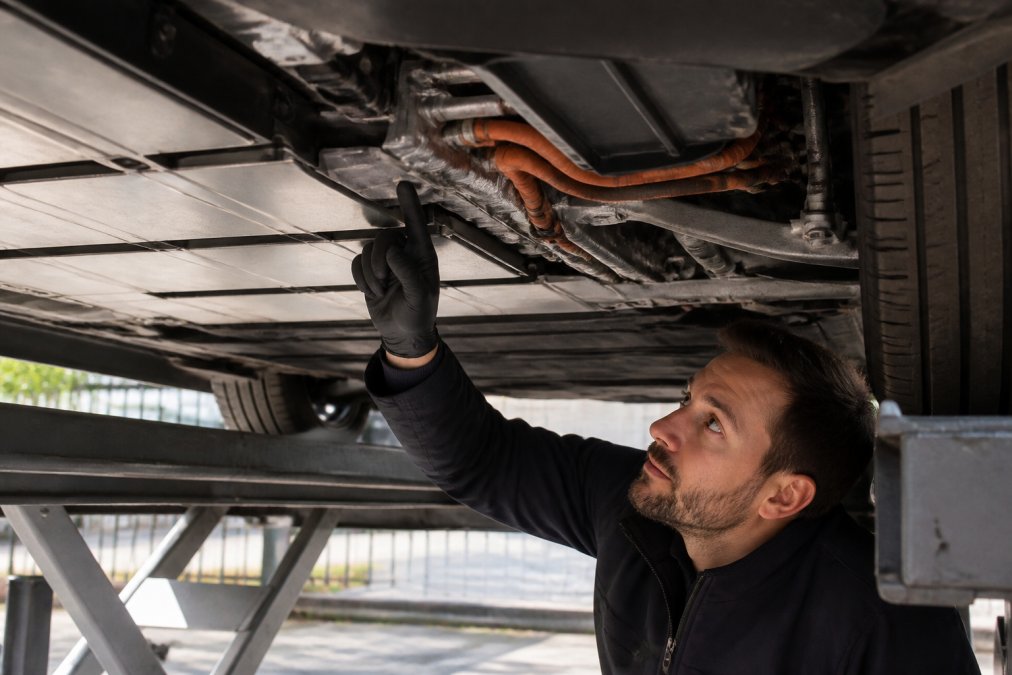
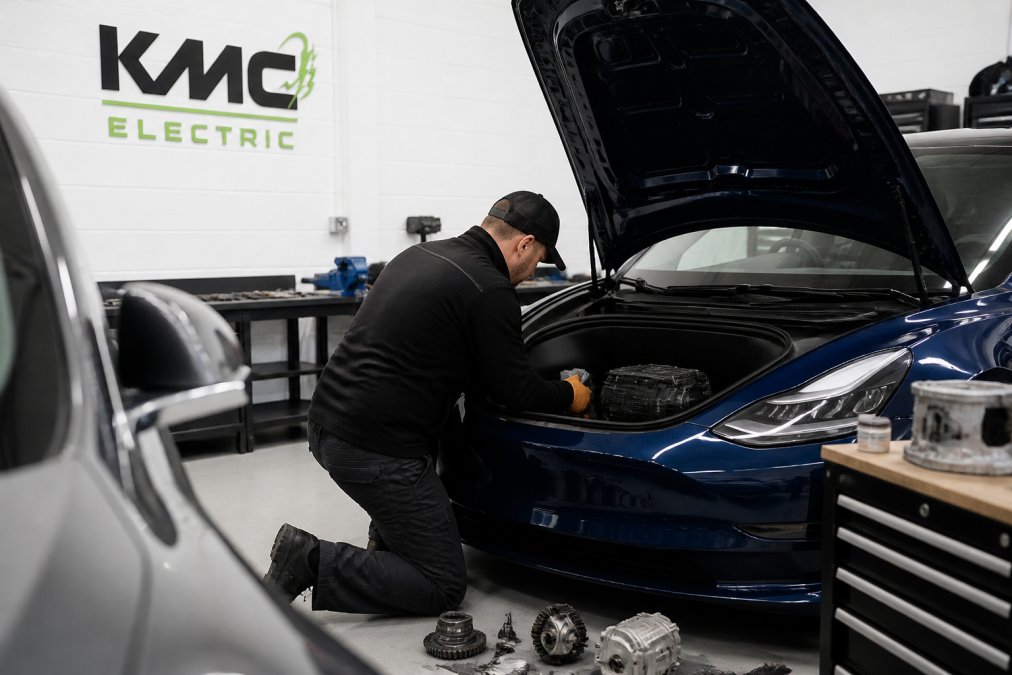
An independent specialist conducts a thorough electrical systems check, not just a mechanical one. They run diagnostic scans to retrieve any fault codes stored in the vehicle's computer systems. They test the high-voltage battery management system, the onboard charger, and the DC fast-charging capability. They inspect connectors, wiring, and thermal systems for signs of damage or poor repair work.
This is especially important if the used electric car has been in an accident. Hidden damage to the battery pack or electrical systems might not be immediately obvious but could cause problems months later. An independent specialist can identify these issues before you buy.
Software tools interface for Experienced for used electric car
At KMC Electric in Kettering, we offer independent assessments for buyers considering a used electric car. We look beyond the obvious, checking for water ingress in connectors, verifying that repairs have been done to manufacturer standards, and confirming that the battery management system is operating correctly. This level of scrutiny helps identify potential problems before purchase.
Warranty, Maintenance, and Long-Term Costs
Understanding what's covered and what isn't shapes your total cost of ownership. Used electric cars often come with partial manufacturer warranty, depending on age and mileage. Some have independent warranty options available. Know exactly what's protected and what you're responsible for.
How Used EV Warranties Work
Most manufacturers offer battery warranties of 8 years or 160,000 km, whichever comes first. This means if your battery capacity drops below 70-75% of its original specification within that window, the manufacturer will repair or replace it at no cost. However, this varies by brand and model, so check the specific terms for the car you're considering.
General mechanical warranty coverage typically expires sooner, often 3 years or 60,000 km. After that, you're paying for repairs yourself. For a used electric car, knowing when the manufacturer warranty expires is critical. A car with only six months of warranty remaining is riskier than one with three years left.
Extended warranties are available from independent providers. These can cover electrical components, the battery, and the drivetrain for additional years. Whether they're worth the cost depends on the car's age, mileage, and your confidence in its condition.
Planning for EV Home Charger Installation Costs
If you don't already have a charger at home, budget for installation. A Level 2 home charger is the standard for UK residential use. Installation involves electrical work, potentially upgrading your home's supply, and physical installation of the charging unit. The cost varies depending on your existing electrical infrastructure.
Plan to discuss charger options with a qualified electrician before you buy the car. Some chargers are more efficient than others, and your home's electrical capacity might limit your options. This isn't a cost to ignore, it's part of the total investment in owning a used electric car.
Common Mistakes First-Time Used EV Buyers Make
Skipping the independent inspection is the biggest mistake. Buyers assume a car that runs fine will continue to run fine, but hidden electrical or battery issues can emerge weeks after purchase. Once you own it, you own the problem.
Trusting the range estimate without accounting for real-world conditions is another common error. The official range figures assume ideal conditions, moderate temperatures, steady speeds, highway driving. Real-world range in winter, with city driving and stop-start traffic, is typically 20-30% lower. If you're buying a used electric car with degraded battery, the gap widens further.
Overlooking charging infrastructure is a third pitfall. If you can't charge at home and rely on public chargers, you need to understand the availability and reliability of chargers on your regular routes. A car with reduced range becomes impractical if charging options are limited.
Not negotiating on price after learning the battery condition is a fourth mistake. If a professional assessment shows the battery is at 75% capacity, that's meaningful information. Use it in your negotiation. The seller has already factored in some degradation, but you should reflect the actual condition.
Assuming the car is cheaper to maintain is partly true but incomplete. Maintenance costs are lower, yes, but electrical repairs, when they happen, are expensive. Factor in the cost of regular diagnostic checks to catch problems early.
Your Checklist Before Signing
Before you commit to buying a used electric car, work through this list:
Obtained the full service history and reviewed it for battery-related work or warranty claims
Arranged an independent battery health assessment from a qualified EV specialist
Verified the manufacturer warranty coverage and remaining duration
Checked the vehicle's accident history using the DVLA register and HPI check
Test-driven the car in varied conditions, motorway, city, and cold weather if possible
Confirmed home charging infrastructure is in place or budgeted for installation
Reviewed the diagnostic report for any fault codes or electrical anomalies
Negotiated the price based on actual battery condition and market value
Arranged independent mechanical inspection covering brakes, suspension, and thermal systems
Confirmed insurance quotes, some insurers charge more for older EVs
Reviewed the purchase agreement and warranty terms in detail before signing
Buying a used electric car is a smart financial decision if you approach it with the right information. The battery is your biggest risk and your most important due diligence point. An independent assessment from a qualified EV specialist removes guesswork and gives you confidence in your purchase.
At KMC Electric in Kettering, we help first-time buyers and experienced owners alike understand the true condition of their vehicles before purchase. Whether you're considering a used Tesla or another EV model, a professional battery health check and independent inspection are investments that pay for themselves by preventing expensive surprises. Contact KMC Electric to arrange an assessment and get the clarity you need before you buy.
Frequently Asked Questions
What should I check when buying a used electric car?
Inspect the battery health first—this is the most expensive component. Check service records to confirm regular maintenance. Review the real-world driving range by testing the vehicle and comparing it to manufacturer specs. Examine the charging port for damage, verify all electronic features work correctly, and confirm the vehicle has no outstanding recalls. An independent specialist can run diagnostic software to reveal hidden faults that a visual inspection alone won't catch.
How do I check the battery health of a used electric car?
A used EV battery health check requires specialist diagnostic equipment that reads the battery management system data. This reveals the actual state of health, charge cycles, and degradation patterns—information you cannot get from a standard MOT. Professional assessment typically involves connecting to the vehicle's onboard diagnostics to measure capacity retention and cell balance. This is crucial before purchase because battery replacement costs thousands of pounds, so knowing the battery's condition protects your investment.
Is it worth buying a used electric car over 5 years old?
Yes, if the battery health is verified and the vehicle has been well maintained. Modern EV batteries degrade slowly—most retain 80-90% capacity after five years of normal use. Older models often cost significantly less, making them affordable entry points. However, you must get an independent battery assessment before committing. Warranty coverage may be limited, so factor in potential costs for out-of-warranty repairs, but many used EVs remain reliable and economical for several more years.
What does an independent EV specialist inspection reveal that a main dealer won't?
Independent specialists like those with Level 4 Master Technician status can diagnose complex fault codes and identify developing issues before they become expensive failures. They provide transparent, cost-effective solutions without pressure to replace components unnecessarily. They offer honest battery health verification for buying or selling, and they understand real-world fixes that extend vehicle service life. Unlike main dealers bound by manufacturer protocols, independent specialists can work on out-of-warranty vehicles and suggest practical alternatives tailored to your needs.