The Difference Between Running Out of Charge and Battery Failure
Running out of charge and experiencing an actual EV battery failure are entirely different scenarios. Understanding this distinction is critical because it changes how you respond, what it costs, and whether your vehicle is genuinely at risk.
When your electric vehicle runs out of charge, you've simply depleted the kilowatt-hour capacity available in that driving session. The battery itself remains intact. You call for roadside assistance, get towed to a charger, and resume driving. The battery management system has protected the pack throughout by preventing deep discharge below safe thresholds.
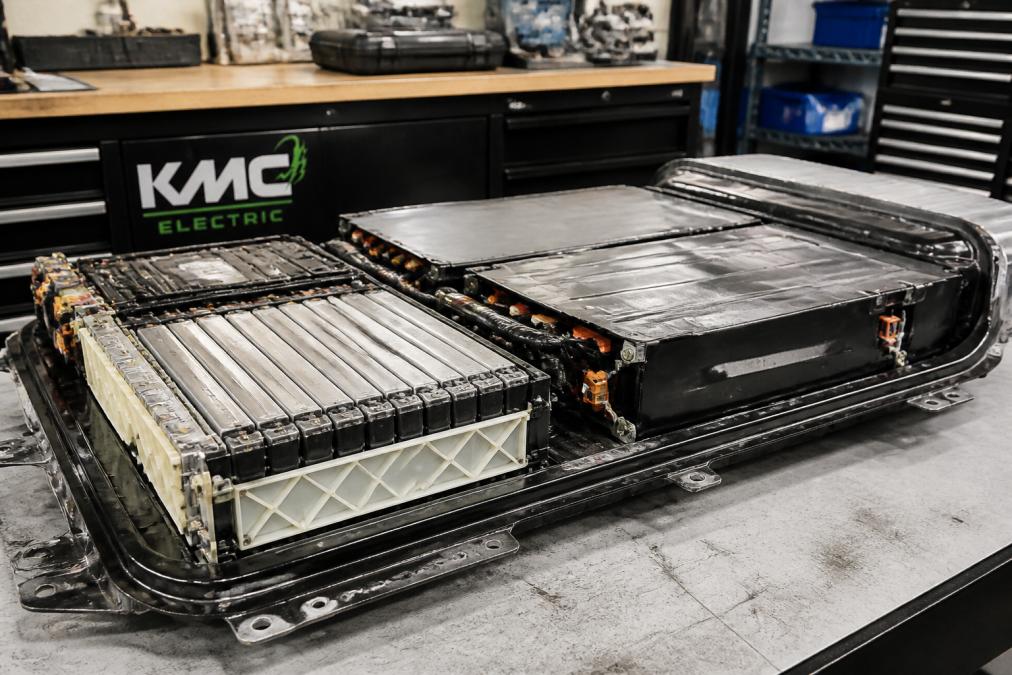
Battery failure is a structural or chemical breakdown within the lithium-ion cells themselves. This might manifest as sudden loss of power output, dramatic range drop over days, or complete inability to hold charge. The battery management system can no longer regulate the pack safely. This demands immediate attention and typically involves replacement or major repair.
At KMC Electric in Kettering, we see this confusion regularly. Owners arrive convinced their battery has failed when they've simply run the car down to zero. Conversely, some ignore genuine warning signs of degradation because they assume it's normal wear. The cost difference between these scenarios can be thousands of pounds.
Signs of EV Battery Degradation You Should Know
Early warning signs of battery degradation are subtle but detectable. Signs of EV battery degradation often appear weeks or months before catastrophic failure, giving you time to plan repairs or replacements.
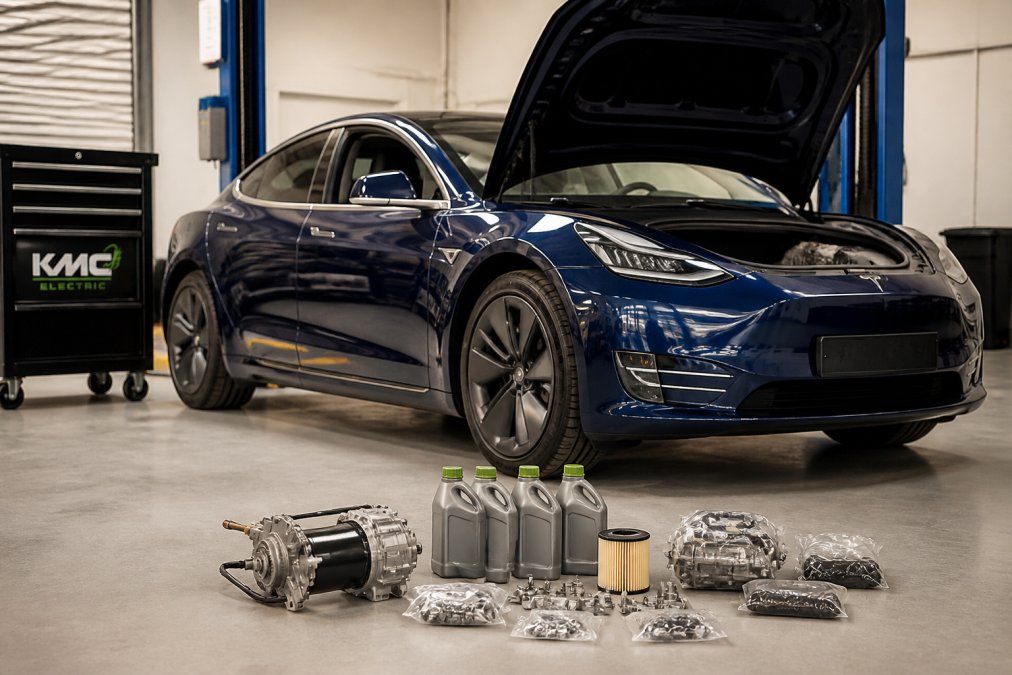
Professional illustration showing Professional, Tesla for EV battery fails
Reduced driving range is the most obvious indicator. If your vehicle delivered 250 miles per charge six months ago and now manages 210 miles under identical conditions, your battery's state of health is declining.
Slower charging speeds signal degradation too. If your car once charged from 10% to 80% in 25 minutes at a rapid charger and now takes 35 minutes, the battery management system is throttling power input to protect aging cells.
Inconsistent power delivery is another red flag. You notice hesitation during acceleration or sluggish performance compared to earlier. This reflects voltage drop across the pack.
Temperature management issues manifest as the cooling system working overtime. You hear the battery cooling fan running more frequently, or the car refuses rapid charging because it's flagged the battery as too warm.
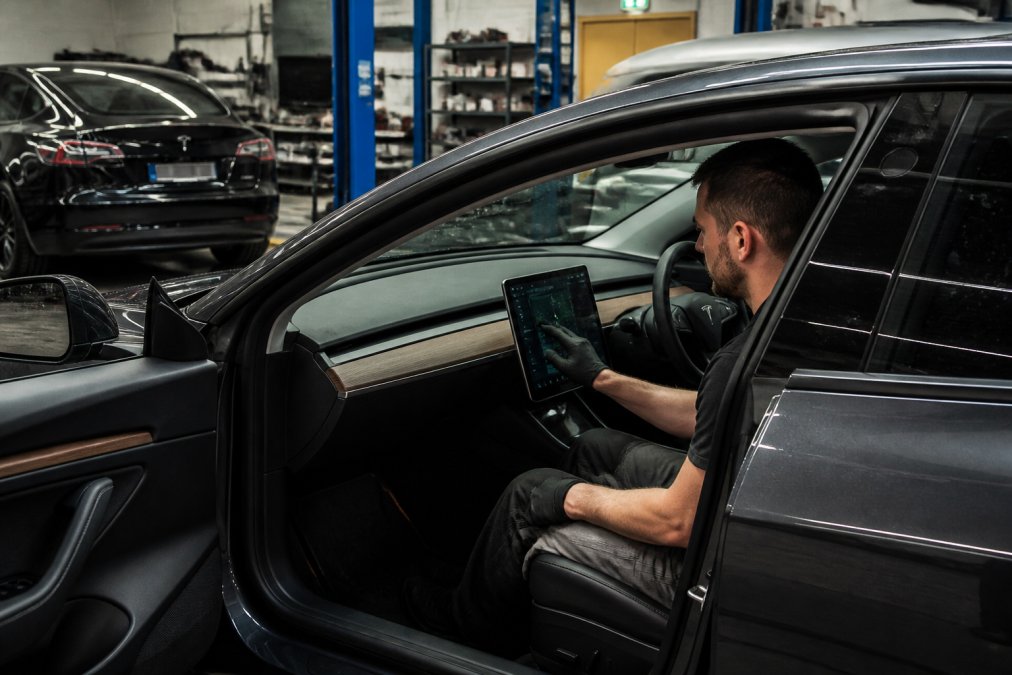
Warning lights and fault codes are explicit signals. Tesla owners might see a "Battery" warning on the touchscreen, or a fault code like "BMS Error." These aren't suggestions; they're the battery management system telling you the pack needs professional evaluation.
Pro TipRequest an [independent battery health check](/blog/how-to-check-tesla-battery-health) if you're buying a used EV or approaching warranty expiry. A diagnostic scan reveals the actual state of health percentage. This costs far less than discovering a failed battery after purchase.
EV Battery Warranty Coverage in the UK
Understanding what your manufacturer covers is essential, particularly for out-of-warranty repairs. EV battery warranty UK terms vary between manufacturers, but most follow similar frameworks.
Tesla provides an 8-year or 120,000-mile warranty on the battery pack and drivetrain, whichever comes first. This covers defects in materials and workmanship, but not degradation from normal use. Most other manufacturers offer similar 8-year coverage, though some extend to 100,000 miles instead. The critical phrase in every warranty is "defect in materials or workmanship." Normal degradation from charge cycles, climate exposure, and age is not covered.
Warranty coverage does not include battery replacement due to owner neglect. Leaving your vehicle uncharged for months, repeatedly fast-charging in extreme heat, or allowing the battery to sit in subzero temperatures without thermal management can void coverage.
For vehicles in Kettering and across Northamptonshire approaching warranty expiry, timing is critical. If you suspect battery issues, have them diagnosed while warranty is still active. A technician's report documenting a genuine defect can be the difference between a covered replacement and an out-of-pocket repair.
Post-warranty, you have no manufacturer protection. This is where independent specialists like KMC Electric become invaluable. A professional assessment determines whether repair or replacement makes financial sense.
Watch OutDo not ignore warning signs near warranty expiry. If your battery shows degradation at 7 years 11 months, contact your manufacturer immediately. Once the warranty expires, you own the full cost of any failure.
What Happens During Battery Failure: Immediate Effects
When a battery genuinely fails, the immediate effects are unmistakable and potentially hazardous.
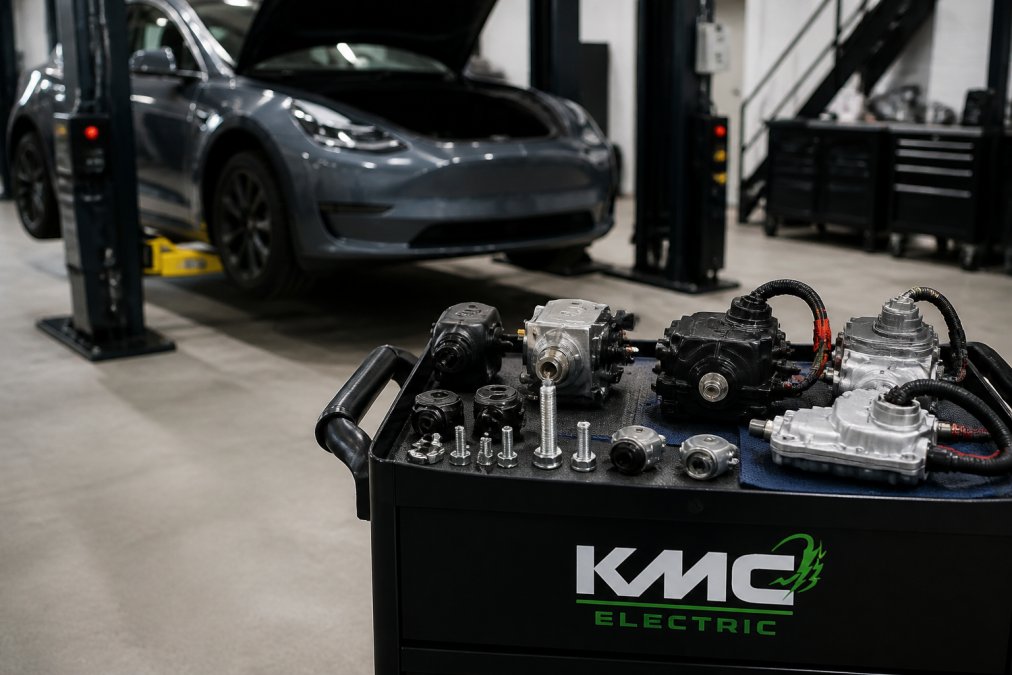
Professional illustration showing Experienced for EV battery fails
Complete loss of power is the most dramatic scenario. The vehicle simply will not start, or if running, shuts down without warning. The battery management system has detected a critical fault and disabled the high-voltage circuit for safety.
Rapid voltage collapse happens when internal cell shorts cause the pack voltage to drop catastrophically. You might see the touchscreen flicker, dashboard lights dim, and the vehicle lose all responsive power within seconds.
Thermal runaway risk, though rare in modern EVs with strong battery management systems, is the most dangerous scenario. Modern packs include thermal fuses and isolation circuits to prevent this, but the risk exists if multiple safety systems fail simultaneously.
Loss of driving range without warning can indicate failure rather than degradation. If your vehicle shows 120 miles of range, you drive for 20 minutes, and suddenly the range drops to 15 miles, a cell or module has failed.
Inability to charge is another failure signature. The charger connects, but the vehicle refuses to accept power. The battery management system detects a fault and locks charging to prevent further damage.
The immediate response is the same: stop driving, engage the parking brake, and request roadside assistance. Do not attempt to restart repeatedly; each attempt stresses the failing battery further.
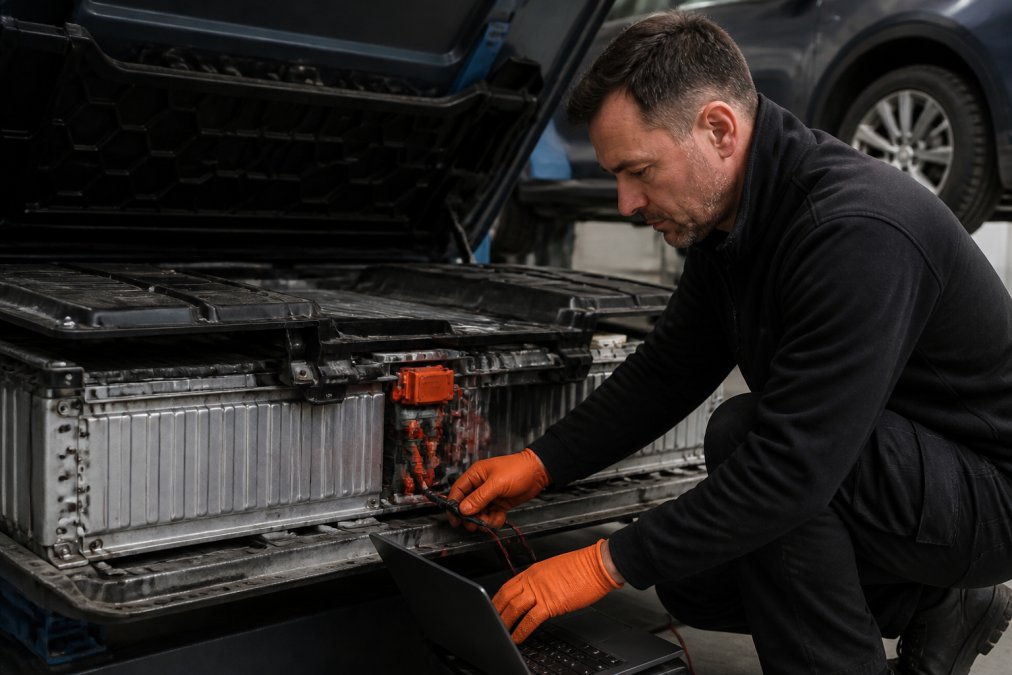
For owners in Kettering, KMC Electric can diagnose whether you're experiencing genuine battery failure or a recoverable fault. Many "failures" are actually battery management system errors, loose connections, or failed modules that can be repaired without full replacement.
Electric Car Battery Replacement Cost and Your Options
The financial reality of battery replacement is significant, which is why understanding your options is critical. Electric car battery replacement cost varies dramatically based on vehicle model and pack size.
Repair versus replacement is the first decision. Not all battery failures require replacing the entire pack. If a single module has failed, replacing just that module costs significantly less than full replacement, depending on the vehicle. KMC Electric can diagnose whether your failure is module-level or pack-level, which directly impacts cost.
Refurbished versus new packs offer another cost trade-off. A refurbished battery pack with a warranty costs less than new, but carries slightly higher risk. The pack has been tested and recertified, but has prior history.
Second-life or reconditioned packs from vehicle recyclers represent the most economical option. These are packs removed from written-off vehicles with battery health above 80%. They're inspected, tested, and sold at significant discount. The trade-off is limited warranty and understanding the pack has prior mileage.
The total cost of ownership calculation is crucial. If your vehicle's value is significantly less than the repair cost, insurance may declare it a total loss, or selling the vehicle for parts may be more economical.
Key TakeawayBefore committing to battery replacement, obtain an independent valuation of your vehicle and a detailed repair quote. If the repair cost exceeds 70% of the vehicle's value, explore whether insurance will cover it as a total loss.
How to Extend Electric Car Battery Life and Prevent Failure
Preventing battery failure is far cheaper than repairing one. How to extend electric car battery life centres on managing charge cycles, temperature, and driving habits.
Avoid deep discharges and overcharging. The battery management system prevents you from fully discharging or overcharging, but charging to 100% regularly still stresses the cells. Most manufacturers recommend keeping your battery between 20% and 80% for daily use. This simple practice can extend battery life by 2-3 years.
Manage thermal stress. Lithium-ion batteries degrade faster in heat. If you park in direct sun regularly, use the vehicle's pre-cooling feature before charging. In winter, precondition the battery before rapid charging. Modern EVs handle this automatically if you enable climate preconditioning.
Limit rapid charging frequency. Fast charging generates significant heat and stresses cells more than slower charging. If you can charge at home overnight on a 7kW home charger, do so. Reserve rapid charging for road trips.
Monitor your state of health regularly. For Tesla owners, third-party apps track degradation over time. For other manufacturers, request a professional diagnostic scan annually after 5 years of ownership.
Avoid extreme cold soak. If your vehicle sits in subzero temperatures for extended periods without being plugged in, the battery cannot maintain thermal management. Plug in when temperatures drop below freezing.
Drive smoothly. Aggressive acceleration and hard braking stress the battery management system. Smooth, consistent driving reduces peak current draw and heat generation.
These practices can extend your battery's useful life by 3-5 years compared to owners who ignore them.
What Happens After Battery Failure: Recycling and Second-Life Uses
When a battery reaches end-of-life, the journey doesn't end at the scrapyard. Understanding recycling and second-life applications reveals the circular economy behind EV batteries.
Second-life applications are the first priority. A battery at 70-80% state of health is unsuitable for a vehicle, but perfectly adequate for stationary energy storage. These packs are repurposed in home battery systems, solar storage installations, or grid-scale energy storage. This extends the pack's useful life by a decade and reduces the need for new battery manufacturing.
Recycling comes next for packs below 70% state of health. Modern recycling facilities recover 95% of the materials: lithium, cobalt, nickel, and manganese are extracted and purified for use in new batteries. This closed-loop process reduces the environmental impact of new battery production.
For vehicle owners, the practical reality is straightforward. When your battery reaches end-of-life, contact a certified recycler or your vehicle manufacturer's recycling programme. In the UK, most manufacturers have partnerships with recycling facilities. You may receive a small payment for the battery or the recycler may cover removal costs. Either way, the battery doesn't end up in landfill.
KMC Electric can advise on recycling options for failed batteries and connect you with certified processors in the East Midlands. This ensures your end-of-life battery is handled responsibly and materials are recovered rather than wasted.
Conclusion
Battery failure in an electric vehicle is manageable if you understand what you're facing. The difference between running out of charge and genuine failure is stark, and recognising degradation signs early gives you time to plan rather than panic.
For EV owners in Kettering, Northamptonshire, and across the East Midlands, independent diagnostics from KMC Electric provide clarity on whether your battery is truly failing or whether a repair can extend its life. With over 25 years of automotive experience and Level 4 Master Technician status in electric vehicles since 2016, our team can evaluate your battery's state of health, explain your repair or replacement options, and help you make a financially sound decision. Contact us for a professional battery assessment and discover whether your vehicle can be restored to reliable service or whether replacement is the right path forward.
Frequently Asked Questions
How do I know if my electric car battery is failing?
Early warning signs include significant range loss beyond normal degradation, the vehicle losing power unexpectedly, a warning light on the dashboard, or the battery management system reporting reduced capacity. If your car shows these signs before the warranty ends, independent battery diagnostics can confirm whether it's actual failure or age-related degradation. Some owners notice slower charging speeds or the vehicle cutting off mid-journey—these warrant immediate professional inspection to assess state of health.
Are electric car batteries covered by warranty in the UK?
Most manufacturers offer 8-10 years or 100,000-160,000 miles of battery warranty coverage. Tesla, for example, typically covers the battery for 8 years or 160,000 miles. If your vehicle is within the warranty period and the battery fails, the manufacturer must repair or replace it at no cost. Once warranty expires, replacement becomes your responsibility. This is why getting an independent battery health assessment before purchasing a used EV is crucial.
What does electric car battery replacement cost if it's out of warranty?
Out-of-warranty battery replacement is expensive, typically ranging from £8,000 to £15,000 depending on the vehicle model and battery capacity. Some owners explore repair options for degraded batteries rather than full replacement, which may cost less. Before committing to replacement, obtain an independent battery health check to understand the actual state of health and whether repair or reconditioning is viable. This diagnostic step can save thousands of pounds.
How can I extend my electric car battery life and avoid failure?
Minimise deep discharges by keeping your battery between 20-80% for daily charging; avoid frequent fast charging when possible; maintain moderate temperatures by parking in shade during summer; use regenerative braking to reduce stress on the battery; and avoid leaving the vehicle unused for extended periods with a low charge. Regular diagnostic checks help catch degradation early. Proper climate control and consistent charging habits significantly extend battery lifespan and reduce the risk of premature failure.