Why Charging to 100% Every Night Affects Your EV Battery
Should I charge my EV to 100% every night? It's a question we hear frequently at KMC Electric, and the answer matters more than most EV owners realise. Charging to full capacity every single night puts unnecessary stress on your battery pack, particularly the lithium-ion cells that power modern electric vehicles. The chemistry of these batteries means they degrade faster at higher charge states, a phenomenon that becomes more pronounced over months and years of repeated full charges.
Professional illustration showing Close for Should I charge my EV to 100% every night?
Each full charge cycle creates microscopic structural changes in the battery cells. Over time, these changes accumulate, diminishing the battery's ability to hold a charge and shrinking your driving range. A battery charged to 80% is substantially healthier than one charged to 100%, and the difference compounds over years of ownership.
The science is straightforward: lithium-ion batteries experience "calendar ageing" (degradation from sitting) and "cycle ageing" (degradation from charging and discharging). When you combine frequent full charges with calendar ageing, you accelerate degradation significantly. Modern battery management systems mitigate this through thermal management and charge limiting, but they can only do so much if you're charging to 100% every night.
For used EV buyers, this matters considerably. If someone spent three years charging their Tesla Model S to 100% nightly, you're buying a battery already further along its degradation curve than mileage alone suggests. This is exactly why independent battery health verification, something KMC Electric specialises in, matters when evaluating a used electric vehicle before purchase.
Pro TipIf you're buying a used EV, request a battery health report from an independent specialist. Degradation patterns tell you far more about how the car was treated than the odometer reading alone.
How to Extend EV Battery Life Through Smart Charging
The most effective strategy for extending your EV battery life is simple: charge to 80% for daily driving and reserve 100% charges for long trips when you genuinely need the extra range.
Your battery has two critical thresholds. Discharging below 10-20% regularly puts stress on the cells and should be avoided. Staying constantly above 90% charge accelerates degradation significantly. The sweet spot, where your battery ages slowest, is between 20% and 80% (peer-reviewed research).
Most EV owners can accomplish daily driving needs within an 80% charge. A typical commute consuming 30-50% of battery capacity leaves a comfortable buffer without the degradation cost of a full charge. On weekends when planning longer journeys, that's when you charge to 100%.
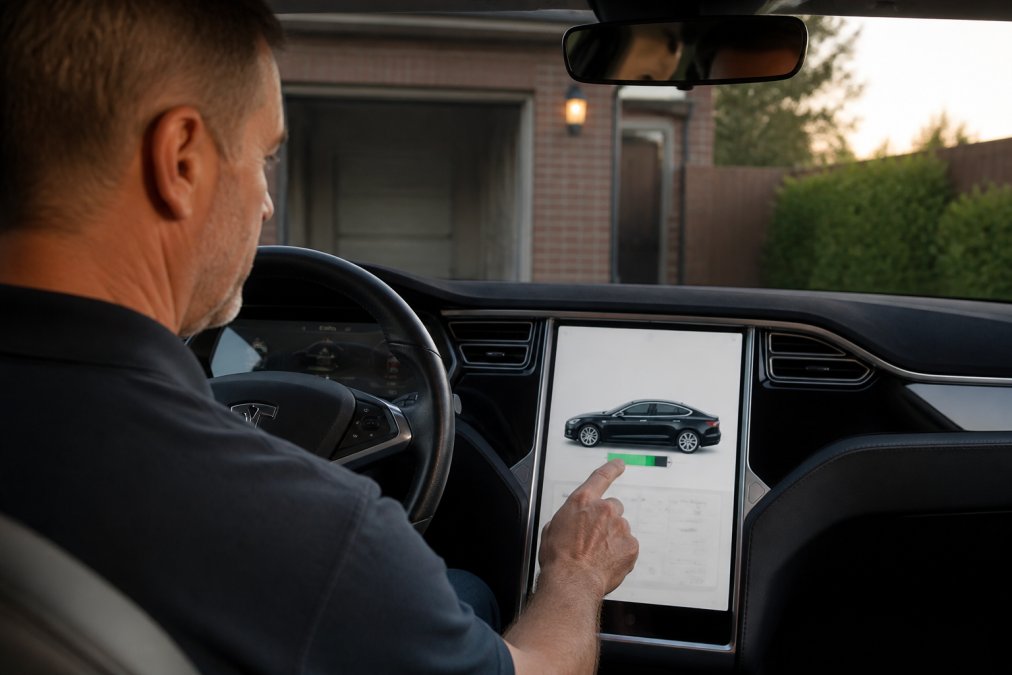
Set a charge limit in your vehicle's settings. Tesla owners can do this through the touchscreen; other manufacturers have similar functionality. This takes five minutes to configure and then runs automatically.
Temperature management is equally important. Charging in extreme heat accelerates degradation. Charge overnight during cooler hours, which also aligns with off-peak electricity tariffs in the UK, giving you financial incentive alongside battery health benefits. Avoid leaving your EV plugged in at high charge states for extended periods. If parking for a week, drop the charge to 50% before you leave.
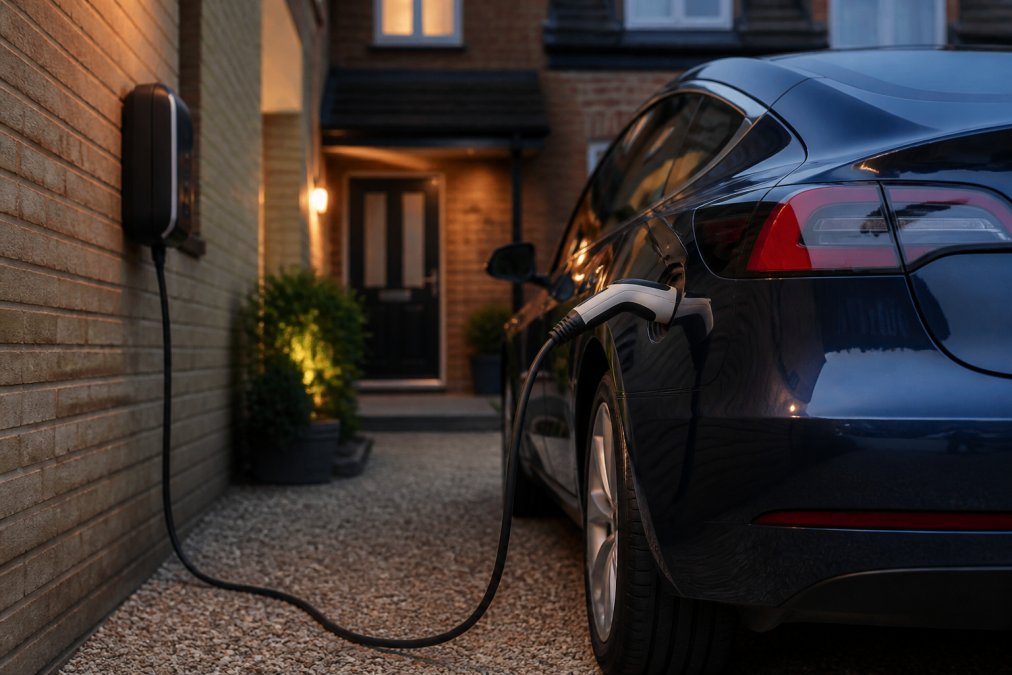
For owners in Kettering with home charging infrastructure, programme your home charger to stop at 80% automatically. Many modern units offer scheduling features that let you charge during off-peak hours and cap charge level simultaneously, delivering lower electricity costs, extended battery life, and reduced grid demand.
Key TakeawayCharge to 80% daily, reserve 100% for long trips. This single change can extend [your battery's](/blog/tesla-model-s-battery-repair-guide) useful life by 2-3 years compared to nightly full charges.
Tesla Model S Charging Best Practices for Daily Use
Tesla Model S owners have particular advantages because the vehicle's software is exceptionally transparent about battery management. The touchscreen display shows real-time charge status, estimated range, and energy consumption, helping you make better charging decisions.
Best practices diagram for Tesla for Should I charge my EV to 100% every night?
For daily use, plug in when you arrive home, set the charge limit to 80%, and let it charge overnight. The vehicle stops automatically when reaching that threshold.
The Model S includes "Preconditioning," which heats or cools the battery before charging. This is especially valuable in winter when cold batteries are less efficient. Preconditioning ensures the battery reaches optimal temperature before the charge cycle begins, reducing cell stress and improving charging efficiency.
A common mistake is leaving the vehicle plugged in at high charge states for days. If you charge to 100% on Friday evening but don't drive until Monday, your battery sits at maximum stress for 48+ hours. Charge to 100% only when about to use that energy. For weekend driving, 80% is almost always sufficient.
Supercharging presents a different scenario. When you Supercharge, the battery management system actively manages temperature and charge rate to handle high power input safely. However, regular Supercharging to 100% still degrades the battery faster than slower home charging. If doing a long trip, charge to 80% if you can reach your destination, then push to 100% only if necessary for the final leg.
For owners approaching the end of their manufacturer warranty, understanding these practices becomes critical. Battery degradation within warranty is covered by Tesla, but degradation beyond warranty is your responsibility. KMC Electric can assess your battery's current state of health and help you understand whether you're on track for long-term ownership or approaching expensive replacement costs.
Watch OutNever leave your Model S plugged in at 100% for more than a few hours before driving. Extended high-charge storage degrades the battery rapidly. If parking for a week, drop to 50% before you leave.
Off-Peak Electricity Tariffs UK and Cost-Effective Charging
The financial case for smart charging extends beyond battery longevity. Off-peak electricity tariffs in the UK offer substantial savings if you align your charging with low-rate periods.
Economy 7 and similar time-of-use tariffs charge significantly less per kilowatt-hour during off-peak hours, usually between 10 p.m. and 8 a.m., though exact times vary by supplier (ofgem.gov.uk). Charging your EV during these windows reduces electricity costs substantially compared to peak-hour charging. For an EV travelling 12,000 miles annually, the difference between peak and off-peak charging could save hundreds of pounds per year.
Schedule your charging to begin during off-peak hours and complete before peak rates resume. Most modern home chargers have built-in scheduling. You set the start time and charge limit, and the charger handles the rest automatically.
The combination of off-peak charging and the 80% charging habit creates a double benefit: you're saving money on electricity whilst extending your battery's life. This is one of those rare situations where the financially optimal choice and the technically optimal choice align perfectly.
Kettering residents should check their current electricity supplier's tariff offerings. If on a standard variable tariff, switching to Economy 7 or a similar time-of-use plan could be worthwhile if you have an EV. Some suppliers now offer EV-specific tariffs that are even more favourable for electric vehicle owners.
Battery Degradation: What You Need to Know
Battery degradation in electric vehicles is inevitable but manageable. Understanding what's happening inside your battery pack helps you make informed decisions about charging, driving, and long-term ownership.
Modern EV batteries typically retain 80-90% of their original capacity after 8-10 years of normal use (peer-reviewed research). A vehicle with a 350-mile range when new might have a 280-310 mile range after a decade. For most owners, this remains practical for daily driving.
Degradation isn't linear. In the first year, you might see 2-3% capacity loss. In year two, perhaps another 1-2%. The rate slows over time. However, how you charge dramatically influences where you fall within this range. An owner charging to 80% daily will retain more capacity longer than one charging to 100% nightly.
Temperature is the second major factor. Batteries prefer moderate temperatures. Extreme heat accelerates degradation, as does extreme cold (though cold causes temporary capacity loss rather than permanent degradation). In the UK's temperate climate, overnight charging during cooler hours still helps.
For used EV buyers, degradation history is crucial. A five-year-old Model S with 60,000 miles charged to 100% nightly might have lost 15-20% of original capacity. The same vehicle charged to 80% daily might have lost only 8-10%. The difference is substantial and directly affects the vehicle's value and usability.
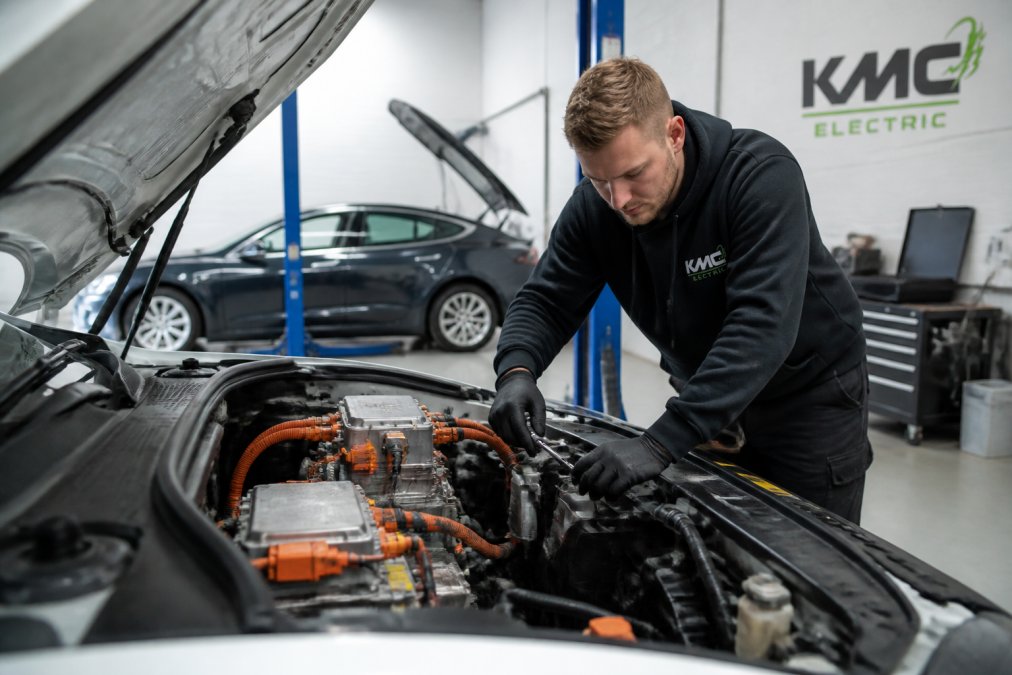
Independent battery assessment is invaluable. KMC Electric can measure your battery's current state of health using diagnostic equipment that reads battery management system data. This tells you precisely where your battery stands and whether it's degraded normally or faster than expected. For someone buying a used EV, this information is invaluable. For someone selling, it's proof that you've maintained your vehicle properly.
Key TakeawayBattery degradation is normal but controllable. Charging to 80%, avoiding extreme temperatures, and using off-peak hours can reduce degradation by 30-40% compared to typical ownership patterns.
The Right Charging Strategy for Your Driving Needs
Developing a charging strategy tailored to your actual driving patterns is more effective than following generic advice.
If you drive 20-40 miles daily with a home charger, you never need to charge above 60-70%. Nightly charging fully replenishes what you used during the day. You might charge to 80% once weekly and to 100% only when planning a longer journey. This pattern, which we see regularly among EV owners in Northamptonshire, delivers excellent battery longevity.
If you use public charging networks regularly because you lack home charging, your strategy shifts. You'll charge to higher levels more often because you can't guarantee access to a charger the next day. Aim for 80% when possible, but accept that occasional 100% charges are necessary. Avoid the daily 100% charge habit.
If you're doing frequent long-distance driving, multiple 200+ mile trips monthly, charge to 100% before these trips. The battery can handle this if it's not your daily routine. The degradation cost of occasional 100% charges is minimal compared to the cost of not having the range you need.
For owners approaching the end of their warranty period, the strategy becomes identifying problems before they become expensive. A battery degrading normally might show 85% capacity at year five. A battery with an internal fault might show 70% capacity at the same age. KMC Electric's battery diagnostics can distinguish between these scenarios, potentially saving you thousands of pounds in unexpected repairs.
The psychological shift that helps most owners is thinking about battery health as an asset worth protecting. Your battery isn't just a consumable to be depleted and recharged mindlessly. It's the most expensive component of your vehicle, and small daily habits compound into years of difference in longevity.
Should I charge my EV to 100% every night? The answer is no, not unless you're planning a long trip the next day. For daily driving, 80% is the sweet spot that balances range, convenience, and battery longevity. Combine this with off-peak charging to reduce costs, monitor your battery's state of health periodically, and you'll extend your vehicle's useful life significantly.
If you're considering purchasing a used EV or want to understand your current vehicle's battery condition, KMC Electric offers independent battery health verification and diagnostic services. Our Level 4 Master Technician team can assess your battery's actual capacity, identify any degradation concerns, and provide transparent, cost-effective guidance on maintenance and repair options. Contact us for a battery health check or to discuss your EV's long-term charging strategy.
Frequently Asked Questions
Does charging my EV to 100% damage the battery?
Regularly charging to 100% accelerates lithium-ion battery degradation over time. Most EV manufacturers, including Tesla, recommend keeping daily charges between 20% and 80% to preserve long-term battery health. Charging to 100% occasionally for longer journeys is fine, but making it a nightly habit reduces battery capacity faster than it would otherwise. This is why many EV owners adopt a daily charging limit below 100%.
What is the recommended daily charge limit for a Tesla Model S?
Tesla recommends setting your daily charge limit to 80% for regular driving. This balance extends battery life significantly while providing enough range for typical daily use. For longer trips, you can charge to 100%, but returning to an 80% limit afterwards protects your battery. Tesla's own guidance acknowledges that keeping your Model S charged between 20% and 80% daily maximises the battery's lifespan and reduces degradation.
Is it cheaper to charge my EV overnight in the UK?
Many UK energy suppliers offer off-peak electricity tariffs that make charging during night hours considerably cheaper than daytime rates. Economy 7 and similar schemes typically charge lower rates between 11 pm and 7 am. Setting your EV to charge during these off-peak windows can reduce your charging costs by 30-50% compared to standard rates. Check your energy supplier's tariff options to see if you qualify for off-peak pricing.
How can I check my EV battery health before buying a used vehicle?
Independent battery health assessments measure state-of-health (SOH) and capacity degradation, which reveal how much charge your battery can hold compared to its original specification. Specialists like KMC Electric offer battery diagnostics that identify degradation patterns and potential faults before you commit to a purchase. This verification is especially valuable for used EV buyers, helping you avoid costly battery issues after purchase and giving you confidence in the vehicle's long-term reliability.