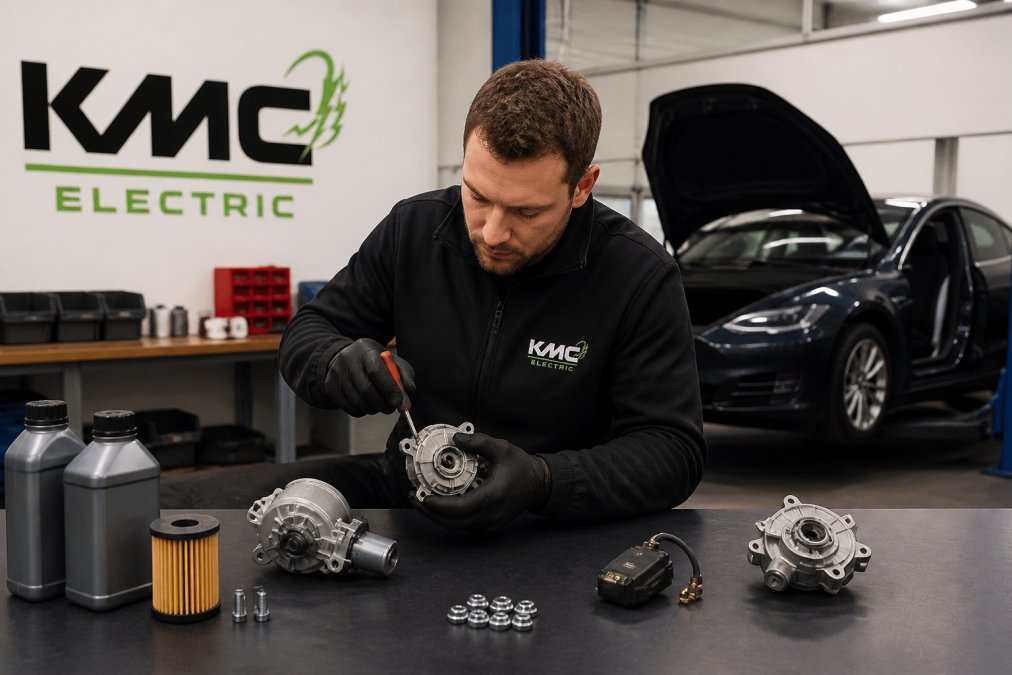
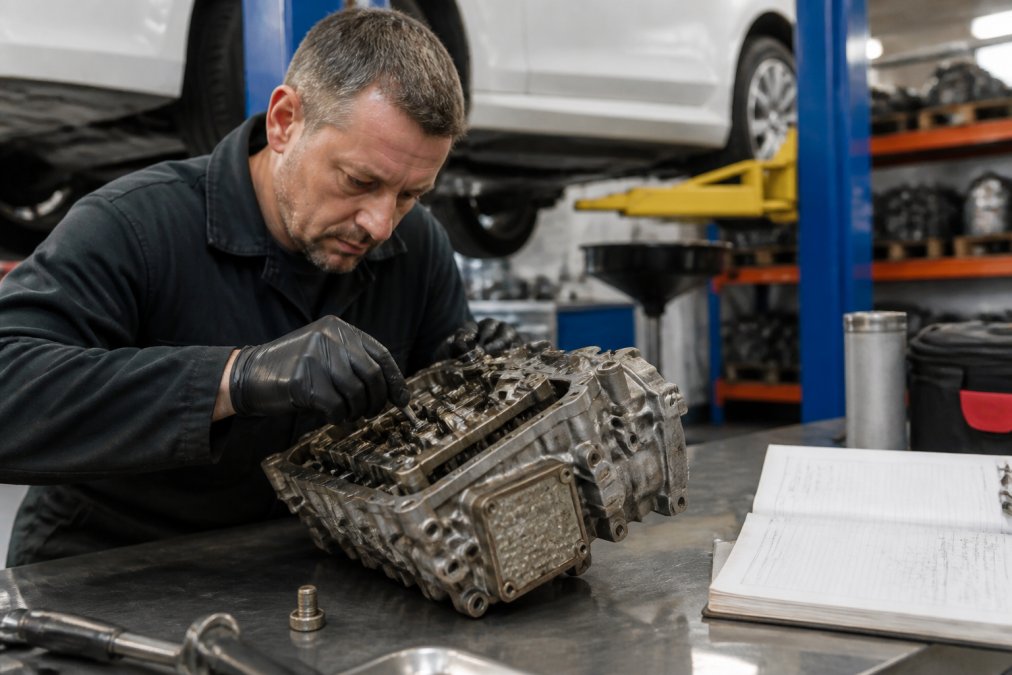
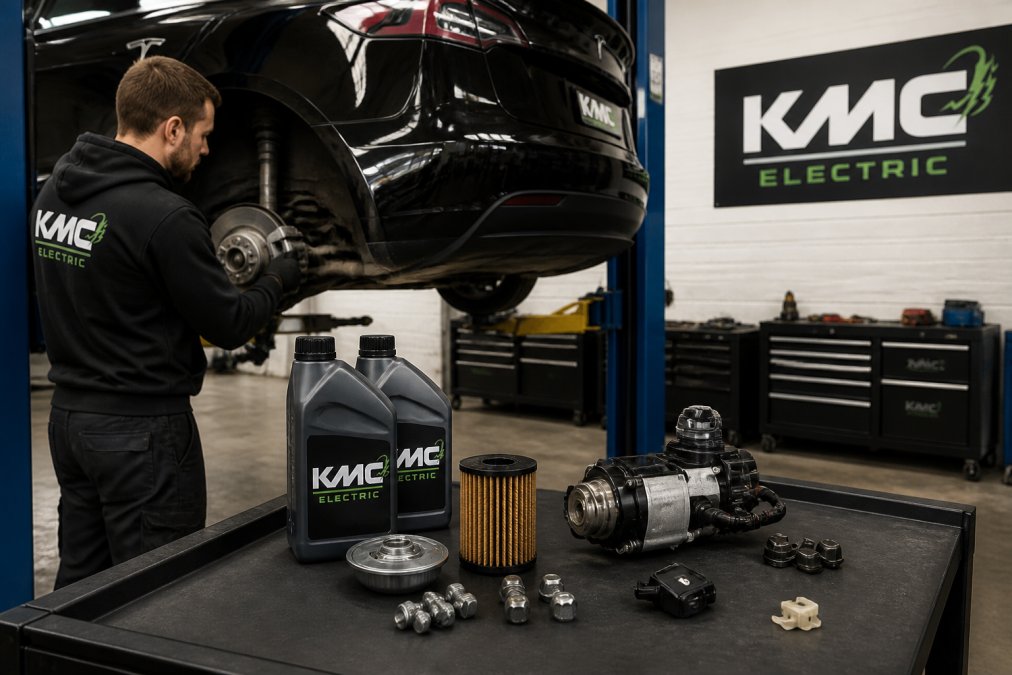
A hybrid vehicle maintenance specialist is a technician trained to diagnose, repair, and maintain the complex systems unique to hybrid and electric vehicles. Unlike traditional mechanics who focus on internal combustion engines, a hybrid specialist understands both the petrol engine and the electric motor, battery management systems, regenerative braking, and high-voltage power electronics that define modern hybrid powertrains.
What sets them apart is their ability to interpret hybrid-specific fault codes, assess battery state of health, and perform preventative maintenance that extends vehicle service life. At KMC Electric, we've spent over 25 years in automotive repair, with Level 4 Master Technician status in electric vehicles since 2016. The role spans diagnostic testing using specialist equipment, hands-on repair of hybrid components like the inverter and cooling systems, and independent battery health verification for buyers and sellers. A good hybrid specialist identifies potential faults before warranty expiry and offers cost-effective alternatives to main dealer repairs.
How Often to Service Hybrid Car: A Practical Schedule
Most hybrid manufacturers recommend servicing every 12 months or 10,000 miles, whichever comes first. This differs from traditional petrol cars, which can stretch to 12,000 or 15,000 miles between services, because hybrid systems are more complex and battery management electronics require regular monitoring.
Annual or 10,000-mile service: Check brake fluid moisture content, inspect the cooling system for the inverter and battery, review hybrid system diagnostics, and verify regenerative braking function. Brake fluid in a hybrid absorbs moisture faster because of the constant regenerative braking cycle, and inverter coolant degrades over time.
24,000-mile service: Perform a full diagnostic scan, check battery cell balancing, inspect high-voltage isolation, and review software updates. This is where many faults emerge before they become expensive failures.
50,000-mile service: Replace cabin and engine air filters, check drivetrain oil levels, and assess brake pad wear.
100,000+ miles: Battery state of health should be formally assessed. A specialist battery health check can reveal whether reconditioning is possible or whether full replacement is necessary.
Skipping a service at 10,000 miles doesn't save money, it costs money. A missed diagnostic at 24,000 miles might let a cooling system fault develop into a high-voltage battery issue. For owners in the Kettering area with out-of-warranty vehicles, this schedule becomes critical. Independent specialists like KMC Electric can perform these checks at a fraction of main dealer costs.
Signs of Hybrid Battery Failure: What to Watch For
Hybrid battery degradation is gradual, but certain warning signs appear in sequence. The first sign is usually reduced electric-only range. If your hybrid used to travel 2 miles on battery power alone and now manages half that, the battery cells are losing capacity.
Next comes inconsistent power delivery. The electric motor engaging and disengaging unpredictably, or the car struggling to accelerate smoothly, often indicates cell balancing issues where the battery management system compensates for uneven charge distribution.
Warning lights signal the need for immediate diagnostic scanning. Common hybrid fault codes include:
P0A80: Hybrid battery pack voltage low, indicates degraded cells
P0A94: Hybrid battery pack temperature sensor malfunction, affects cooling system efficiency
P3400: Cylinder deactivation system fault, common in hybrid engines with variable displacement
P0420: Catalyst system efficiency below threshold, suggests emissions system struggling
Unusual noises from the battery pack area (high-pitched whining or clicking) suggest the inverter or cooling system is under stress. If the battery temperature warning appears, stop driving immediately and get to a specialist.
For used electric vehicle buyers, a battery health check before purchase reveals whether degradation is normal wear or early failure.
Hybrid Vehicle MOT Requirements in the UK
The MOT test for hybrid and electric vehicles follows the same general framework as petrol cars, with specific additional checks for hybrid-specific systems. Standard MOT checks apply: brakes, tyres, lights, emissions, seatbelts, windscreen wipers, and structural integrity.
The critical difference is the electrical safety inspection. The MOT tester checks for high-voltage isolation, ensuring the battery and power electronics are properly insulated and pose no shock risk. They'll also verify that warning lights function correctly, including any hybrid-specific indicators.
The test doesn't require the battery to be at full charge, but it must be in a safe operational state. A battery at critically low voltage might fail the safety check, which is why pre-MOT diagnostics are valuable.
Most hybrids pass MOT without issue if properly maintained. The risk comes from neglected cooling systems or unaddressed fault codes. For vehicles nearing the end of manufacturer warranty, the MOT is a good trigger for a full hybrid system health check. Book your MOT with a test station experienced with hybrid vehicles. In Kettering, specialists like KMC Electric can advise whether your vehicle is ready for testing and flag potential issues beforehand.
Why Choose an Independent Hybrid Specialist Over Main Dealers
Main dealers operate on fixed diagnostic fees and parts markups that can inflate repair costs compared to independent specialists. More importantly, their diagnostic approach is often one-size-fits-all: if battery voltage is low, they recommend replacement rather than investigating whether a cooling system fault or software update could solve the problem.
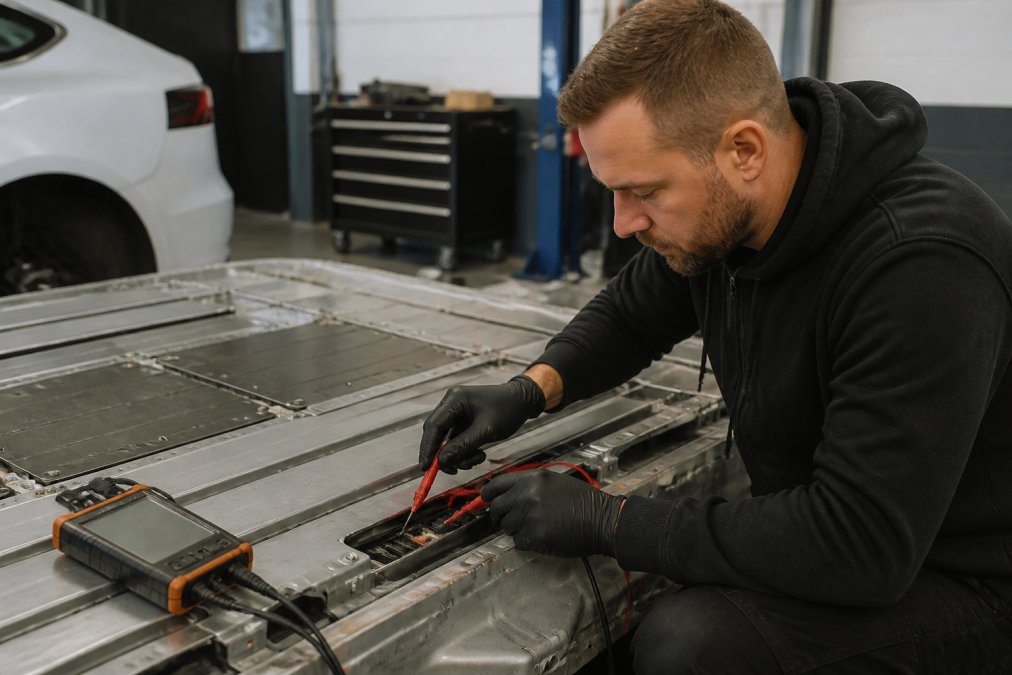
Software tools interface for Professional for hybrid vehicle maintenance specialist
Independent hybrid specialists bring transparency and cost-effectiveness. They have the freedom to investigate thoroughly, try cost-effective fixes first, and only recommend expensive solutions when genuinely necessary.
The expertise difference is significant. An independent specialist focused on hybrids and electric vehicles sees dozens of vehicles monthly, building deeper knowledge of common faults and model-specific quirks. At KMC Electric, that specialisation has meant identifying issues main dealers miss entirely: software conflicts, cooling system inefficiencies, and battery management quirks.
For out-of-warranty vehicles, an independent specialist offers the same technical capability at lower cost. There's also the matter of practical solutions: a main dealer might recommend replacing a high-voltage component that an independent specialist can repair or recondition, extending vehicle service life and preserving resale value.
Choose your independent specialist carefully. Look for Level 4 Master Technician status, EV-specific qualifications, and a track record with your vehicle model. In Kettering and Northamptonshire, KMC Electric's 25 years of automotive experience and EV credentials since 2016 provide that assurance.
Hybrid Battery Health Checks and Reconditioning Options
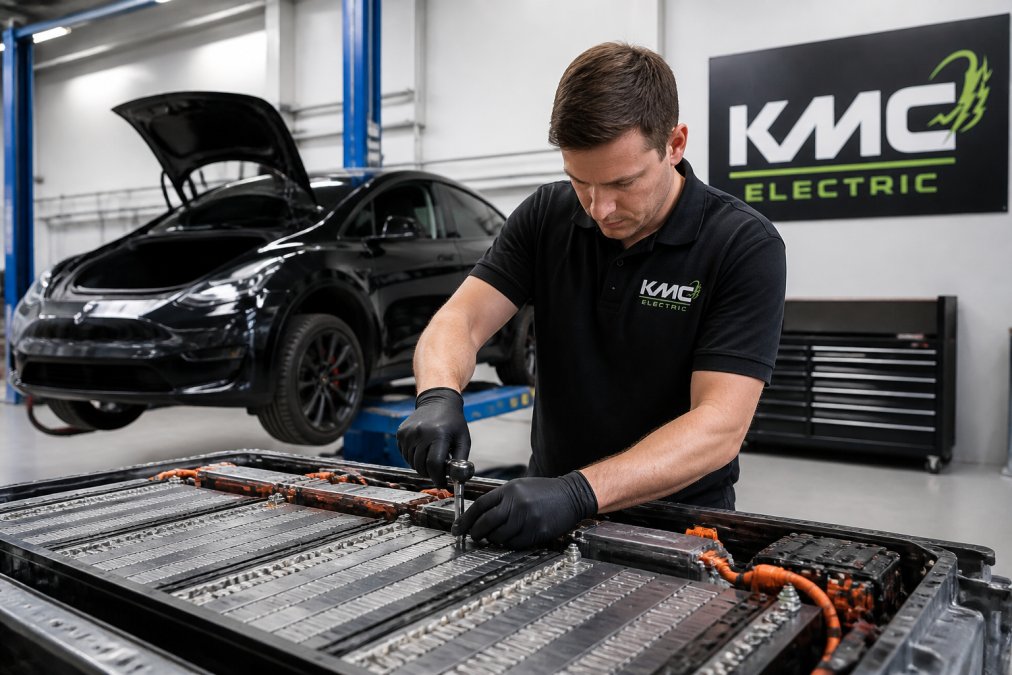
A battery health check measures the state of health (SOH) of your hybrid battery pack, essentially, how much capacity and performance remain compared to when the vehicle was new. A proper assessment uses diagnostic equipment to measure individual cell voltages, temperature profiles, and the battery management system's internal data.
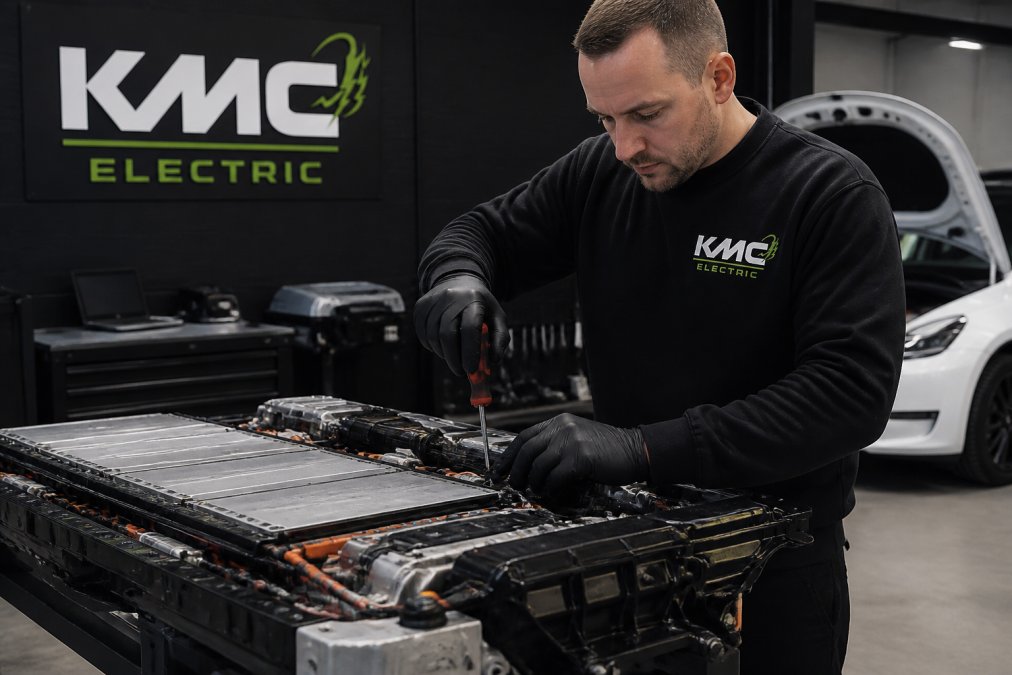
Professional illustration showing Technician, Tesla for hybrid vehicle maintenance specialist
The results reveal current capacity, degradation rate, and whether the battery is safe to continue using. A battery at 80% capacity might be fine for another 50,000 miles. A battery at 60% capacity with a steep degradation curve is approaching end-of-life.
For used electric vehicle buyers, this check is essential before purchase. A battery health report reveals whether you're buying a reliable vehicle or one heading toward costly replacement.
Reconditioning vs. replacement is where specialist knowledge matters. Main dealers typically skip reconditioning and go straight to replacement. But reconditioning is often possible and significantly cheaper.
Battery reconditioning involves:
Cell balancing: Using the battery management system to equalise charge across cells, restoring lost capacity
Thermal management optimisation: Adjusting cooling system parameters to reduce stress on ageing cells
Software updates: Manufacturers periodically release updates that improve battery efficiency and extend usable life
Partial cell replacement: In some cases, replacing only the weakest cells rather than the entire pack
These approaches can restore 5-15% of lost capacity and extend battery life by 2-3 years. For a battery showing 70% SOH, reconditioning might bring it back to 80%, enough for another 60,000 miles.
A specialist battery health check provides the data to decide confidently between reconditioning and replacement. KMC Electric performs independent battery assessments that give you the information main dealers often withhold.
Common Hybrid Fault Codes and What They Mean
Hybrid fault codes appear on your dashboard as warning lights or in diagnostic scans. Understanding what they mean prevents unnecessary panic and helps you communicate accurately with a specialist.
P0A80, Hybrid Battery Pack Voltage Low
This is the most common hybrid fault code, meaning battery voltage has dropped below the threshold the vehicle needs to operate safely. Causes range from a failing cell to a cooling system fault stressing the battery. A diagnostic scan reveals whether the issue is the battery itself or a related system.
P0A94, Hybrid Battery Pack Temperature Sensor Malfunction
The battery needs precise temperature monitoring to charge and discharge safely. If the temperature sensor fails, the battery management system can't regulate cooling properly, often triggering limp-home mode. A sensor replacement is usually straightforward and far cheaper than battery work.
P3400, Cylinder Deactivation System Fault
Some hybrids use variable displacement engines that shut down cylinders when running on electric power alone. If this system malfunctions, the engine runs less efficiently. This is typically a software issue or solenoid problem, not a major repair.
P0420, Catalyst System Efficiency Below Threshold
This emissions-related code suggests the catalytic converter isn't functioning properly. In hybrids, this often relates to the engine running too rich during petrol-only operation. A diagnostic might reveal a cooling system issue affecting engine temperature, which then affects emissions.
P0A00, Hybrid Battery Pack Fault
A generic code indicating a problem in the battery system. This requires a full diagnostic to pinpoint whether it's a cell issue, cooling system fault, sensor malfunction, or software glitch.
The critical insight: the same fault code can have different root causes depending on the vehicle model and driving conditions. A specialist who's seen hundreds of these codes across multiple models can narrow down the cause quickly.
For owners in Northamptonshire with out-of-warranty vehicles, getting a specialist diagnostic before a main dealer appointment protects you. You'll understand what the fault actually is, rather than accepting an expensive recommendation based on incomplete information.
Hybrid vehicle maintenance isn't optional, it's the difference between a reliable, valuable vehicle and an expensive repair waiting to happen. The systems are complex, the diagnostics require specialist equipment, and the stakes are high. A battery health check before buying a used hybrid, regular servicing to catch problems early, and working with a specialist you trust are the foundations of ownership peace of mind.
In Kettering and across Northamptonshire, independent specialists offer transparent, cost-effective alternatives to main dealer networks. KMC Electric's 25 years of automotive experience and Level 4 Master Technician status in electric vehicles means you're working with someone who understands hybrid powertrains deeply and can identify practical solutions main dealers often miss. Whether you're buying a used vehicle, managing an out-of-warranty repair, or simply want to extend your hybrid's service life, the right specialist makes all the difference. Contact KMC Electric for a battery health assessment or diagnostic consultation.
Frequently Asked Questions
How often should I service my hybrid vehicle in the UK?
Hybrid vehicles typically require servicing every 10,000 to 15,000 miles or annually, whichever comes first. However, this varies by manufacturer and model. The key difference from petrol cars is that hybrid systems include high-voltage battery components, inverters, and electric motors that need specialist inspection. A qualified hybrid vehicle maintenance specialist can review your service history and manufacturer specifications to create a tailored schedule. Regular checks of regenerative braking systems, coolant levels, and battery state of health help prevent costly failures and extend vehicle life.
What are the main signs of hybrid battery failure I should watch for?
Common warning signs include a significant drop in fuel economy, warning lights on the dashboard (especially battery or hybrid system alerts), reduced acceleration or power loss, and difficulty starting the engine. You may also notice the engine running more frequently than normal, as the battery cannot assist properly. Battery cell balancing issues can cause uneven performance. If you notice any of these, a diagnostic scan using specialist equipment is essential. Early detection through professional battery state of health checks can identify problems before they become expensive replacements, potentially saving thousands of pounds.
Do hybrid cars need different MOT testing than standard petrol vehicles?
Yes. Hybrid vehicles undergo standard MOT emissions testing, but a specialist hybrid vehicle MOT also includes checks on the high-voltage isolation systems, regenerative braking function, and warning light diagnostics. The brake system requires particular attention because hybrid regenerative braking can mask traditional brake wear. UK MOT centres must ensure brake fluid moisture content is within limits, and hybrid-specific power electronics must function correctly. An independent specialist can perform comprehensive pre-MOT checks to identify potential failures and ensure your vehicle passes first time.
Can I trust an independent specialist, or do I need to go to the main dealer?
An independent hybrid vehicle maintenance specialist with proper qualifications and technical training can often provide better value and more transparent diagnosis than main dealers. Many specialists have Level 4 Master Technician status in electric vehicles and over 25 years of automotive experience. They offer cost-effective alternatives to main dealer repairs, particularly for out-of-warranty vehicles, and can identify potential faults before warranty expiry. The advantage is practical, real-world fixes and independent battery health verification without the premium pricing of franchised networks.