What Does a Hybrid Car Battery Repair Specialist Do?
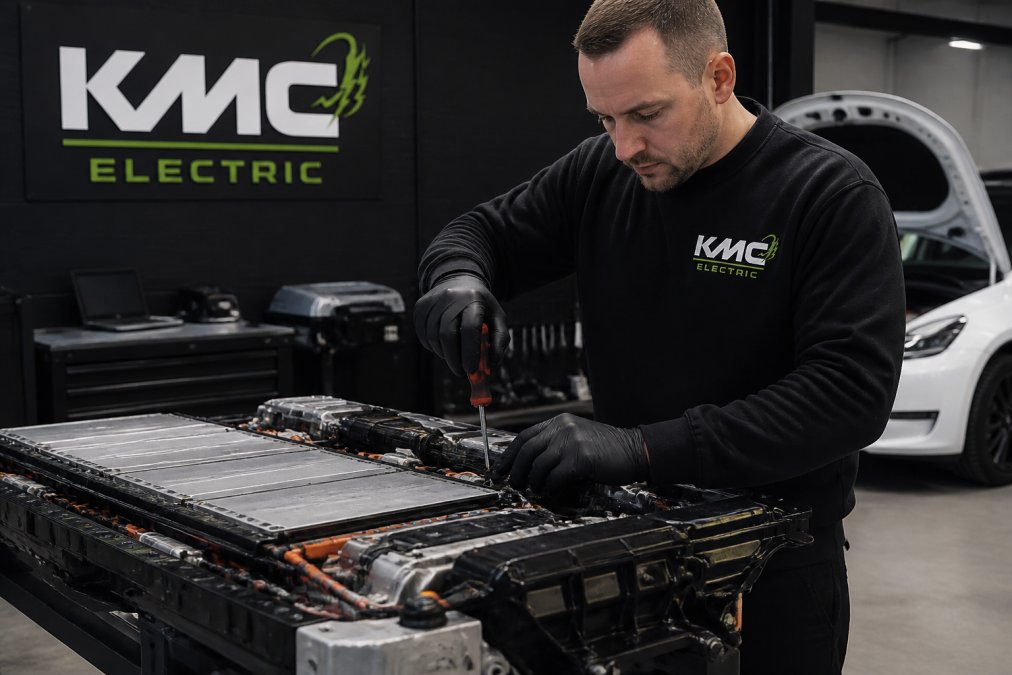
A hybrid car battery repair specialist diagnoses, repairs, and reconditions the high voltage battery systems that power hybrid vehicles. Unlike general mechanics, these specialists understand the unique challenges of hybrid powertrains, where the battery works alongside a petrol engine to optimise fuel efficiency and reduce emissions.
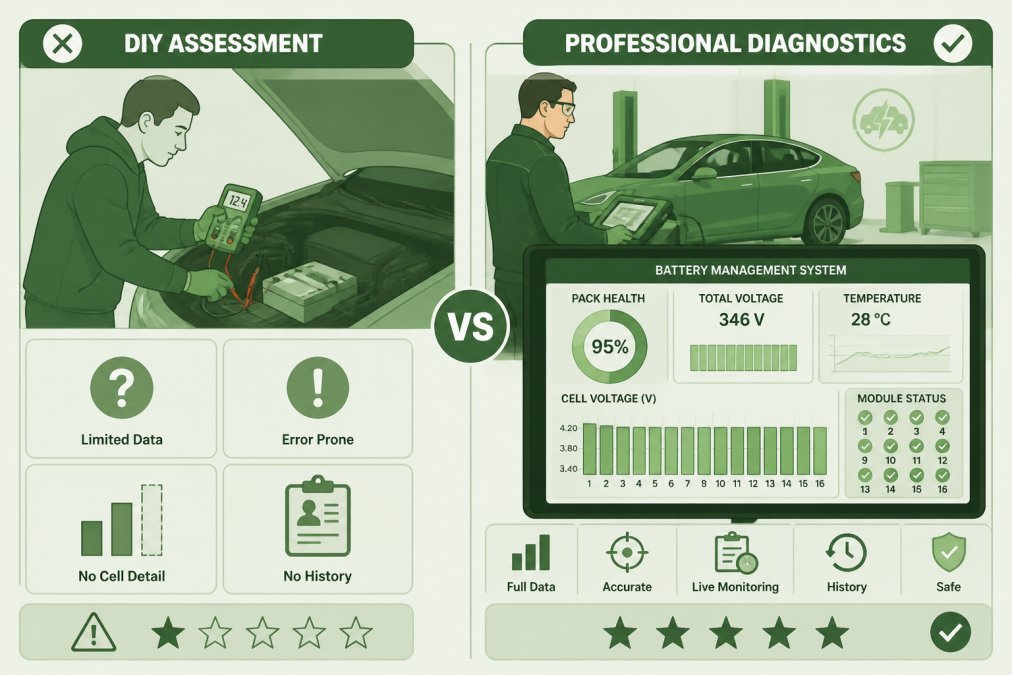
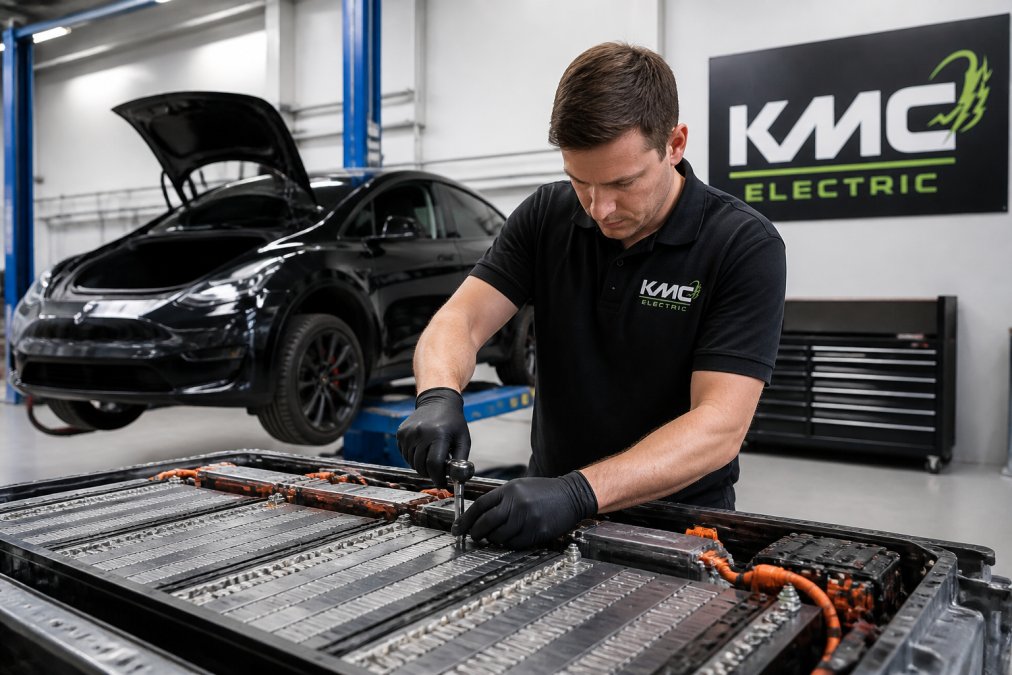
Side-by-side comparison of Certified for hybrid car battery repair
The role goes far beyond simple battery replacement. A specialist performs detailed diagnostic scans to identify fault codes, assess the state of health (SOH) of individual battery cells, and determine whether reconditioning can extend battery life or whether full replacement is necessary. They work with battery management systems (BMS), inverters, and regenerative braking components, all interconnected systems requiring specialist knowledge.
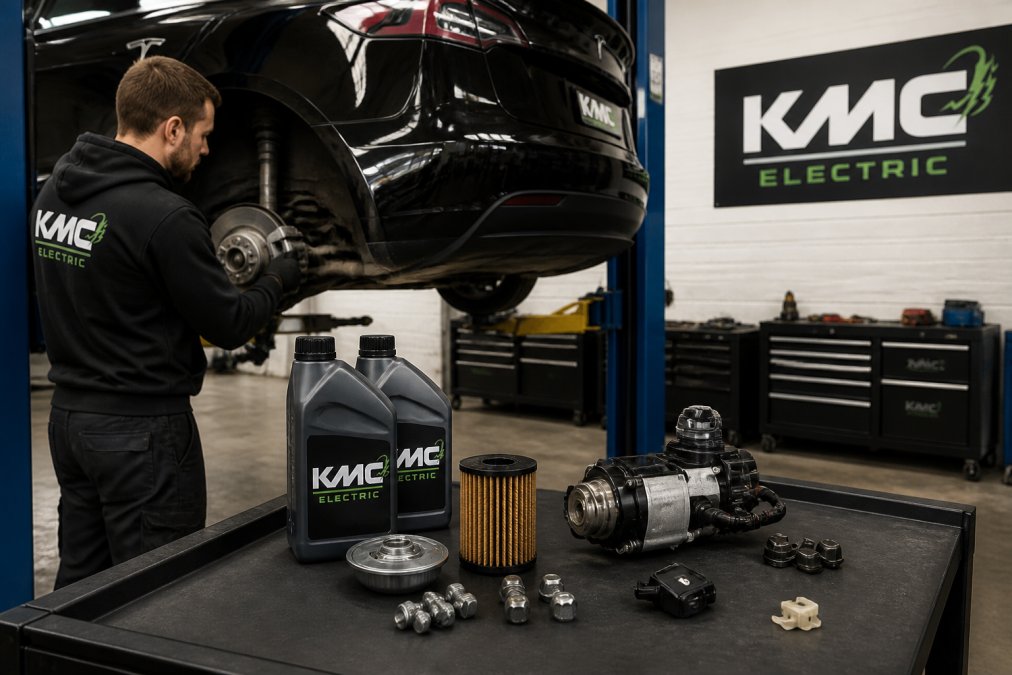
At KMC Electric, our Level 4 Master Technician status in electric vehicles means we understand hybrid systems at a depth that most general garages cannot match. With over 25 years of automotive experience and EV qualifications since 2016, we've developed the expertise to identify problems before they become expensive failures. A specialist also provides independent battery health verification, crucial when buying or selling a used hybrid vehicle, revealing actual capacity degradation and remaining useful life rather than relying on vague dashboard indicators.
Signs of Hybrid Battery Failure You Shouldn't Ignore
Hybrid battery problems develop gradually, and catching them early can mean the difference between a reconditioning job and a costly replacement.
The most obvious warning sign is the hybrid battery warning light on your dashboard. This illuminates when the battery management system detects a fault, often a voltage drop, cell imbalance, or thermal management issue. Don't ignore it.
Declining fuel economy is another critical indicator. If your hybrid isn't switching between electric and petrol power smoothly, or if you're seeing noticeably worse mpg figures, the battery may be losing capacity. Reduced electric-only range is particularly telling: if your vehicle used to run on electric power for short journeys but now switches to petrol almost immediately, the battery's state of health has likely dropped significantly.
Strange noises from the engine bay, particularly high-pitched whining or clicking, can indicate inverter problems or failing battery cells. Hesitation during acceleration, sluggish response, or the vehicle feeling underpowered compared to when new all point to battery degradation. If you're experiencing any of these signs, a professional diagnostic is essential. Waiting typically makes repairs more expensive.
How Hybrid Battery Reconditioning Works
Hybrid battery reconditioning is designed to restore capacity and balance to a degraded battery pack without replacing it entirely. For batteries that haven't reached end-of-life, it can extend service life by several years and recover 20-30% of lost capacity.
The process begins with a comprehensive diagnostic scan that measures the voltage and internal resistance of each cell in the battery module, revealing which cells are underperforming.
Cell balancing and state of health assessment
Cell balancing is the core of reconditioning. Over time, individual cells drift out of sync, some hold charge better, some have higher internal resistance, and some develop micro-cracks. When cells are imbalanced, the battery management system can only use the capacity of the weakest cell, wasting the potential of healthier cells.
A specialist uses specialised equipment to measure the state of health (SOH) of each cell. SOH is expressed as a percentage; 100% is brand-new, and anything below 70% is typically considered degraded. Cell balancing involves controlled charging and discharging cycles that bring lagging cells back into equilibrium. This can take several hours or multiple charge cycles but is far less invasive than replacing the entire battery module.
Thermal management assessment is also critical. Hybrid batteries are sensitive to temperature. If cooling systems aren't functioning properly, cells overheat, accelerating degradation. A specialist checks coolant flow, fan operation, and thermal sensors to ensure the battery operates within its optimal temperature range.
When reconditioning makes sense versus replacement
Reconditioning makes economic sense when the battery still has useful capacity but has become unbalanced or is showing early signs of degradation. If your state of health is between 70-85%, reconditioning can restore functionality and delay replacement by several years.
However, if the battery has degraded below 60% SOH, reconditioning becomes less effective. Individual cells may have suffered irreversible damage, and balancing alone won't recover sufficient capacity for reliable daily use. In those cases, battery module replacement is more practical.
The decision depends on your vehicle's age, mileage, and how much longer you plan to keep it. If you're running a vehicle out of warranty and want to extend its life affordably, reconditioning is often the right choice.
Hybrid Battery Reconditioning Cost UK: What Affects the Price
The cost of hybrid battery reconditioning depends on several factors. The complexity of your vehicle's hybrid system is the primary cost driver. Other hybrid systems, particularly those with lithium-ion packs or more complex battery management systems, require more specialist knowledge and equipment, increasing labour time and cost.
The extent of degradation also matters. A battery needing basic cell balancing costs less than one requiring thermal management repairs, inverter diagnostics, or replacement of individual battery modules. A full diagnostic is essential to establish exactly what work is needed.
Your location affects pricing too. An independent specialist like KMC Electric typically offers more transparent pricing and cost-effective alternatives compared to main dealer networks, which often quote replacement costs without exploring reconditioning options first.
For a realistic picture, request a diagnostic from a specialist in your area. The diagnostic itself is usually a modest investment and reveals exactly what your battery needs.
How to Extend Hybrid Battery Life and Avoid Early Failure
Hybrid battery degradation isn't inevitable. Driving habits, maintenance practices, and environmental factors all influence how quickly your battery ages.
Preventative maintenance and thermal management
Thermal management is the single most important factor in battery longevity. Hybrid batteries degrade faster when operating outside their optimal temperature range. In summer, excessive heat accelerates chemical reactions inside cells. In winter, cold reduces the battery's ability to deliver power efficiently.
Check your vehicle's cooling system regularly. Ensure the radiator and battery cooling fans function properly. Avoid leaving your vehicle parked in direct sunlight for extended periods. In winter, warm the vehicle before driving if possible. Regular software updates from the manufacturer also matter, as the battery management system firmware optimises charging and discharging cycles.
Real-world driving habits that protect your battery
Your driving style directly affects battery degradation. Aggressive acceleration and hard braking force the battery to deliver power rapidly, generating heat and stress. Smooth, gradual acceleration and gentle braking reduce this stress and extend battery life.
Avoid rapid charging when possible. Slow charging at home is gentler on the battery than rapid DC charging. Don't let the battery discharge completely. Periodic short drives, even just 10-15 minutes, help maintain charge state and prevent deep discharge cycles that stress cells.
Maintain consistent driving patterns. Hybrid batteries perform best when used regularly. Monitor your fuel economy as a proxy for battery health. If you notice gradual decline in mpg over months, it's often an early sign that the battery is starting to degrade.
Professional Diagnostics: Why DIY Assessment Falls Short
Many owners are tempted to use OBD-II scanners or smartphone apps to diagnose hybrid battery problems. These tools can read fault codes from the engine control unit but provide only a surface-level view of what's happening in the battery pack.
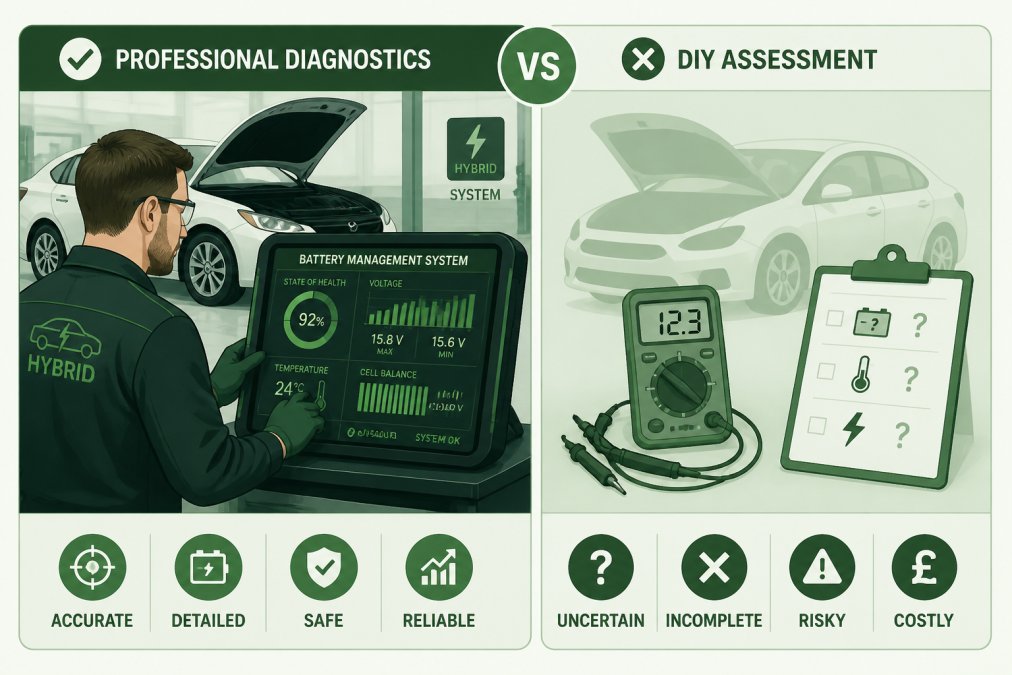
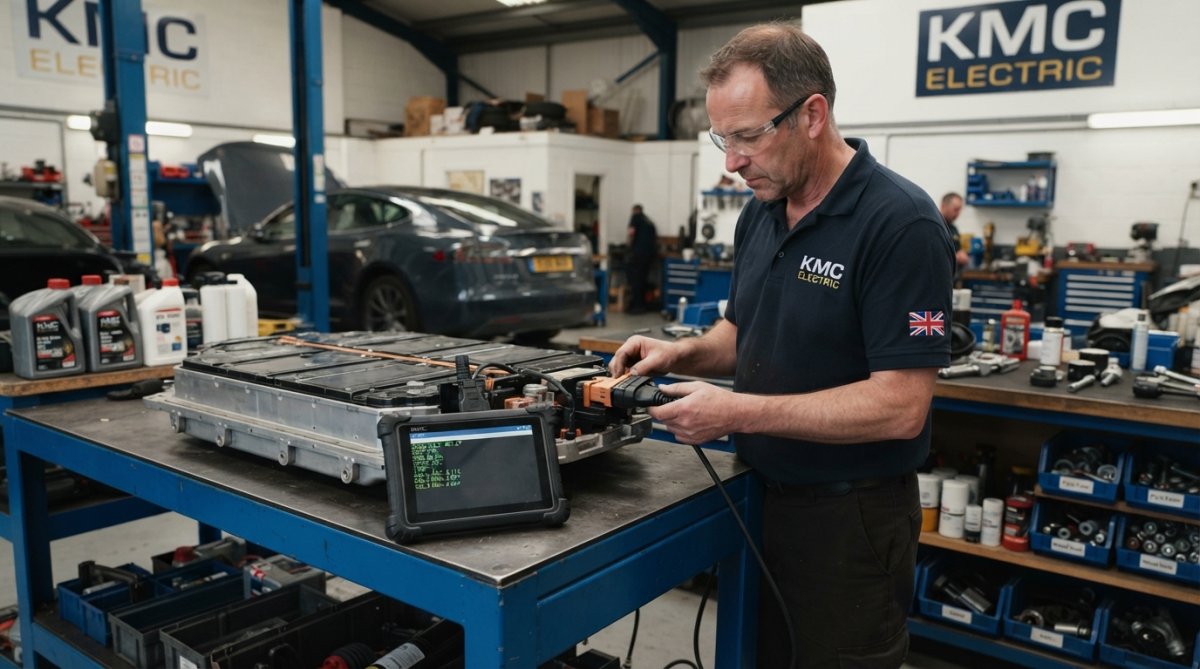
Side-by-side comparison of Certified for hybrid car battery repair
A professional diagnostic goes far deeper. Specialist equipment can measure the voltage and internal resistance of individual cells, assess the state of health of the entire pack, and identify which specific cells are degrading. This level of detail is impossible with consumer-grade tools.
Fault codes are also misleading without proper interpretation. A code showing "battery voltage low" could indicate a failing cell, a thermal management issue, an inverter problem, or a faulty battery management system sensor. A specialist traces the code back to its root cause.
Professional diagnostics also reveal problems that haven't triggered warning lights yet. A battery beginning to degrade might show no visible symptoms for months, but a specialist can detect early signs of cell imbalance or thermal management issues before they become critical. Early intervention is far more cost-effective than waiting for complete failure.
At KMC Electric, our diagnostic approach includes a full battery health assessment that reveals not just what's wrong, but why it's happening and what options you have to fix it.
Choosing the Right Hybrid Car Battery Repair Specialist
Not all mechanics are qualified to work on hybrid batteries. High voltage systems in hybrid vehicles are dangerous, voltages can exceed 200V, and require specialist training, equipment, and safety protocols.
What qualifications and experience matter
Look for specialists with formal qualifications in electric and hybrid vehicle systems. In the UK, qualifications like IMI TechSafe, which certifies technicians to work safely with high voltage systems, are essential.
Experience with your specific vehicle make and model matters significantly. Ask about the specialist's diagnostic equipment. Professional-grade diagnostic tools are essential for accurate battery health assessment.
Years of experience in automotive repair is also relevant. A technician with 20+ years in general automotive work, plus 5+ years specifically in hybrid and electric vehicles, has seen a wider range of problems and developed better troubleshooting skills. Check whether the specialist works with both independent owners and dealerships. Dealerships often refer complex hybrid battery problems to independent specialists, which signals credibility. If you're a service manager at a franchised dealership struggling with hybrid battery diagnostics, an independent specialist like KMC Electric can provide the technical expertise your team needs.
Warranty coverage and transparency on repairs
A reputable specialist provides clear warranty terms on any repairs or reconditioning work. Reconditioning should come with a warranty period, typically 6-12 months, during which the specialist stands behind their work.
Transparency is equally important. A good specialist explains exactly what they've found during the diagnostic, what work is needed, and why. They should provide a written quote that breaks down labour, parts, and diagnostics separately.
Be wary of specialists who quote replacement costs immediately without offering a diagnostic or reconditioning assessment. An independent specialist who explores reconditioning options first, and only recommends replacement when necessary, is prioritising your interests. KMC Electric's 25+ years of automotive experience and Level 4 Master Technician status in electric vehicles means we've developed practical, cost-effective fixes for out-of-warranty vehicles that extend their service life without unnecessary expense.
Hybrid battery problems don't resolve themselves, and delaying diagnosis typically makes repairs more expensive. If you're experiencing warning lights, declining fuel economy, or reduced electric range, a professional diagnostic is the first step toward understanding your options. The specialist you choose should provide transparent assessment, realistic cost expectations, and expertise backed by genuine qualifications and experience. For owners and dealerships across Kettering and Northamptonshire seeking independent battery health verification and cost-effective repair alternatives to main dealer networks, KMC Electric offers the technical expertise and transparency you need to keep your hybrid running reliably beyond the warranty period.
Frequently Asked Questions
What are the main signs that my hybrid battery is failing?
Common warning signs include dashboard warning lights, reduced fuel efficiency, slower acceleration, and difficulty holding a charge. You might notice the hybrid system isn't engaging as smoothly, or the regenerative braking feels different. A professional diagnostic scan can identify voltage drop, cell imbalance, and state of health readings that confirm battery degradation before failure becomes critical.
How much does hybrid battery reconditioning cost in the UK?
Reconditioning costs depend on battery type (nickel-metal hydride versus lithium-ion), the extent of cell balancing needed, and vehicle make and model. Rather than guess at a figure, contact a specialist garage for a repair quote after they've performed load testing and assessed your battery management system. Many specialists offer free or low-cost diagnostic scans to determine whether reconditioning or replacement is necessary.
Can I extend my hybrid battery life with preventative maintenance?
Yes. Thermal management is critical—avoid prolonged exposure to extreme heat or cold, and ensure your cooling system functions properly. Drive smoothly to reduce strain on the battery during acceleration. Regular vehicle inspections catch small faults before they affect the battery. Limit deep discharges when possible, and avoid consistently running the battery to empty. A certified technician can advise on habits specific to your vehicle model.
Is it safe to drive a hybrid car with a battery warning light on?
No. A warning light indicates a fault in the battery management system, state of health issue, or cell imbalance that could worsen rapidly. Continued driving risks complete battery failure, leaving you stranded. You should have a professional diagnostic performed immediately to identify the error code and determine whether it's safe to reach a specialist garage. Driving on a failing battery can also damage the inverter and electric motor.