Electric Car Battery State of Health: A 2026 Guide
Understanding your electric vehicle's battery state of health is critical for long-term ownership, resale value, and avoiding unexpected repair costs. Whether you're a Tesla owner in Kettering looking to extend your vehicle's service life or a used EV buyer assessing a potential purchase, battery state of health tells you exactly what you're dealing with. This guide from KMC Electric breaks down what battery state of health means, how to check it, and why it matters more than most owners realise.
What Is Battery State of Health?
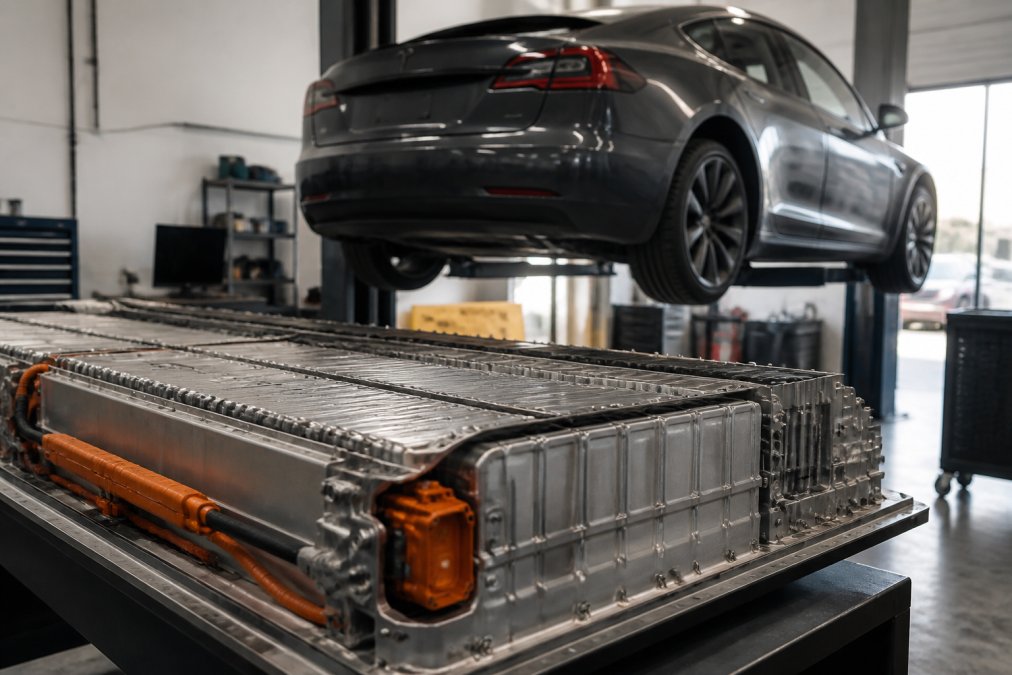
Battery state of health is a measurement of how much capacity your EV battery retains compared to when it was new. A battery at 100% SOH has full capacity. One at 80% SOH can deliver 80% of its original range and performance. Most manufacturers consider 80% SOH the threshold for acceptable battery health during the warranty period, though batteries continue functioning below this point (aaa.org).
The metric matters because it directly affects your vehicle's range, charging speed, and resale value. A battery degraded to 60% SOH will feel noticeably slower to charge and deliver significantly reduced driving range. For buyers evaluating used electric vehicles, battery state of health is often the single most important technical factor after mileage.
KMC Electric performs independent battery health verification for buyers and sellers across Northamptonshire, giving you transparent, unbiased data before you commit to a purchase or sale.
EV Battery Degradation Factors
Battery degradation isn't random. Specific environmental and usage patterns accelerate or slow the process. Understanding these factors helps you protect your investment and identify when professional diagnostics make sense.
Temperature and Climate
Lithium-ion batteries degrade fastest at temperature extremes. Consistent heat exposure, whether from hot climates or repeated fast charging sessions, causes chemical reactions inside the cell that reduce capacity over time. Cold temperatures slow degradation but can temporarily reduce available capacity until the battery warms up.
In the UK climate, temperature extremes are less severe than in hotter regions, but winter conditions still affect battery performance. Leaving your EV in unheated garages or exposed to frost overnight causes temporary capacity loss. Repeated thermal cycling (heating and cooling cycles) accelerates permanent degradation. If you park outdoors regularly, you're exposing your battery to more stress than someone with garage storage.
Charging Habits and Rapid Charging
How you charge matters as much as how often. Rapid DC charging (fast charging at motorway stations) generates significant heat and stresses the battery more than home charging on a standard 7kW wallbox. A vehicle charged exclusively on rapid chargers will degrade faster than one charged mostly overnight at home.
Charging to 100% regularly also accelerates degradation. Keeping your battery between 10% and 80% charge extends its lifespan (energy.gov). Many EV owners don't realise this, which is why used vehicles with high mileage but conservative charging habits sometimes show better battery health than lower-mileage vehicles charged aggressively.
Age and Mileage
Time itself degrades batteries even if the car sits unused. Calendar aging happens because chemical reactions inside the cells continue at rest. A five-year-old battery will show some degradation even if driven sparingly. Mileage compounds this effect, more driving cycles mean more charge and discharge cycles, each of which causes minor capacity loss.
Most modern EV batteries lose 2-3% capacity per year under normal use conditions, though this varies by chemistry and driving patterns (peer-reviewed research). A vehicle with 80,000 miles over five years has experienced more cycles than one with 40,000 miles, but total age matters too.
How to Check EV Battery Health
You have two main approaches: built-in vehicle diagnostics and third-party diagnostic tools. Each provides different levels of detail.
In-Vehicle Diagnostics
Most modern EVs, including all Tesla models, display battery health information through the dashboard or mobile app. Tesla vehicles show the battery percentage in the app and provide degradation estimates based on observed range loss. This gives you a quick, free snapshot of your battery's condition.
The limitation is precision. Vehicle-reported figures are estimates based on range calculations, not direct measurements of cell capacity. They can be off by several percentage points, especially if your driving patterns are unusual or if you've recently changed your charging routine.
For quick reference, in-vehicle diagnostics are useful. For serious decisions, buying a used vehicle, planning major repairs, or assessing warranty claims, they're not sufficient.
Third-Party Diagnostic Tools
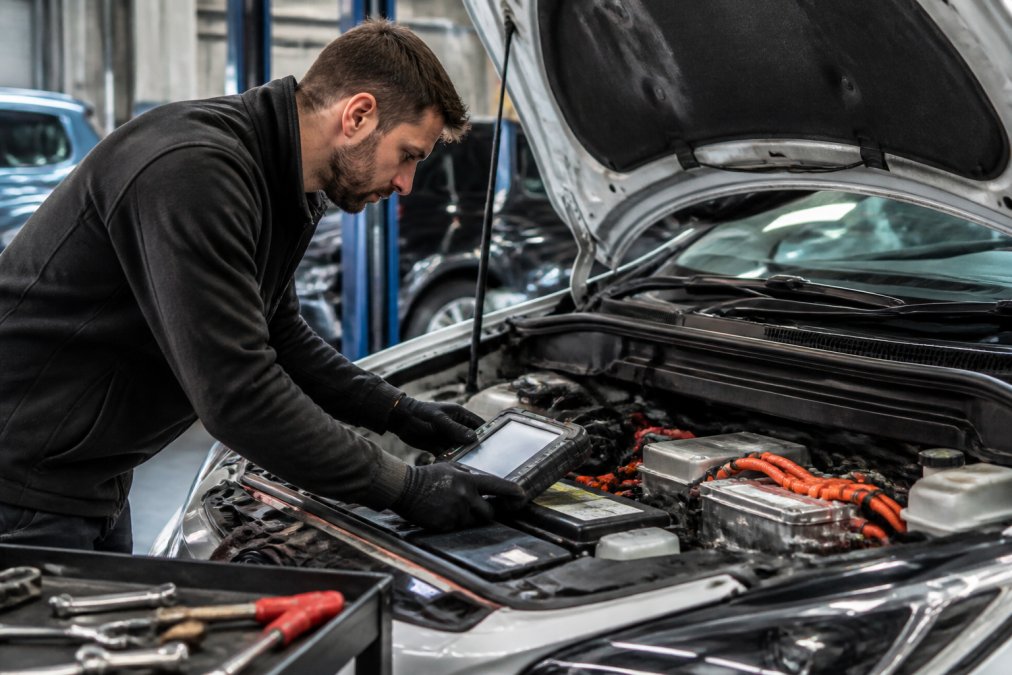
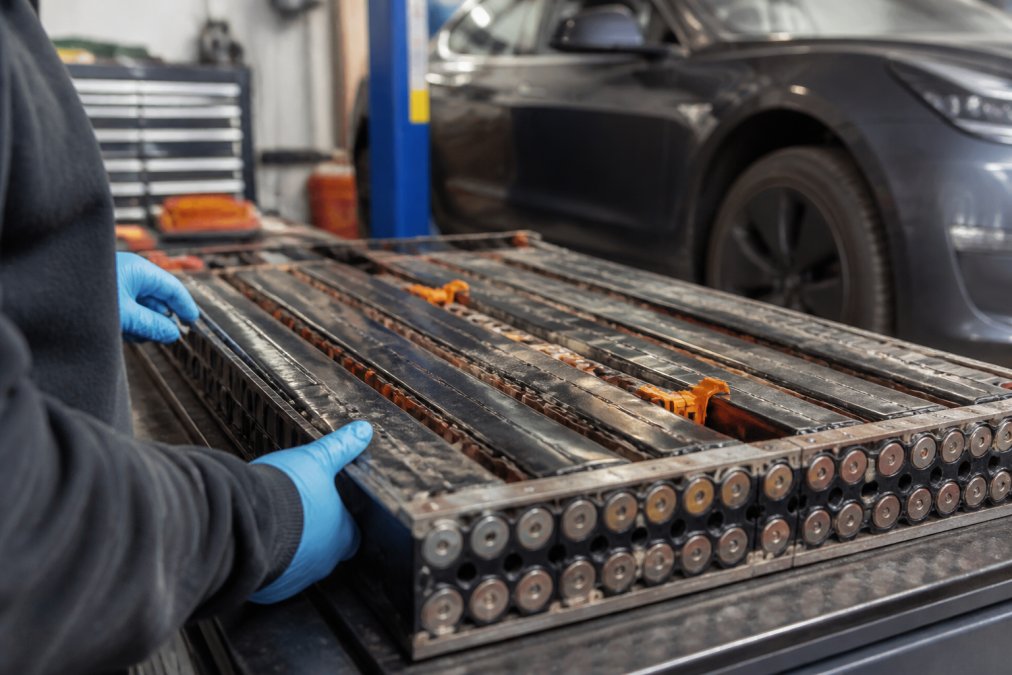
Professional diagnostic tools connect directly to the battery management system and read actual cell voltages, temperatures, and capacity data. These tools provide precise measurements of state of health that far exceed what the vehicle's own systems report.
KMC Electric uses advanced diagnostic equipment to assess battery health with accuracy that matters for purchasing decisions or pre-warranty-expiry fault identification. An independent assessment removes any ambiguity about battery condition, which is especially valuable if you're buying a used vehicle or selling one.
Step-by-step visual guide for Professional for battery state of health
Electric Vehicle Battery Diagnostic Testing
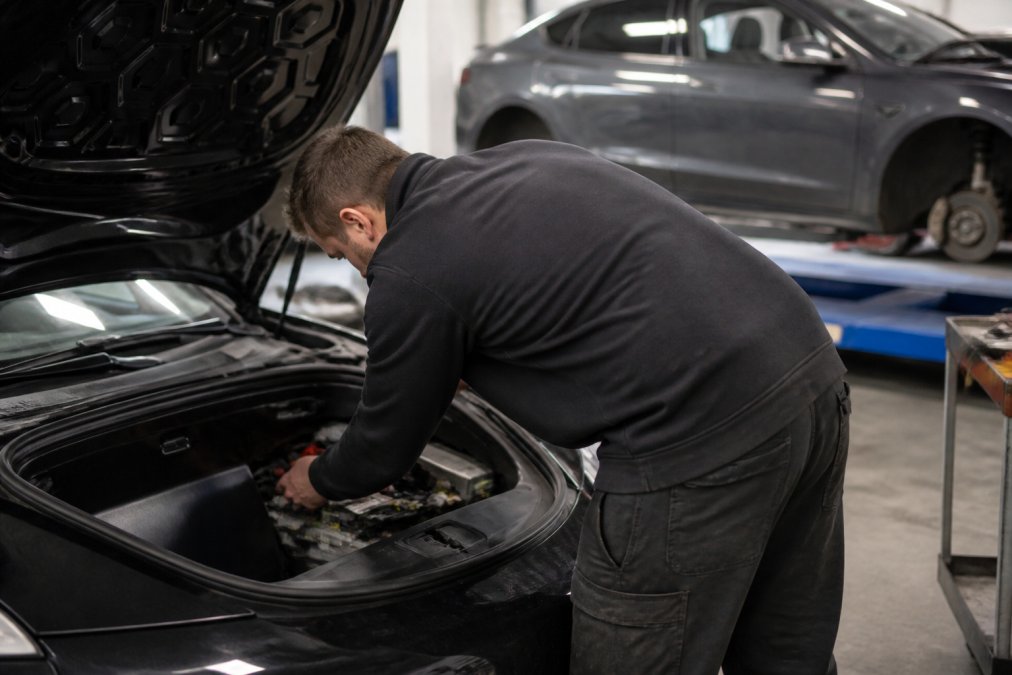
Professional battery diagnostic testing goes beyond a simple health percentage. A comprehensive assessment measures individual cell performance, identifies weak cells, checks thermal management, and flags potential failure patterns before they become catastrophic.
Testing reveals whether degradation is uniform across all cells or concentrated in specific areas, a sign of manufacturing defect or thermal stress. It shows charging and discharging efficiency, which affects real-world range. It can identify cells approaching failure, giving you months of warning before range drops suddenly.
For used EV buyers in the Midlands, this testing answers the question: "Is this battery going to last another five years, or will I face an expensive replacement in two years?" For warranty-period vehicles, it identifies faults that qualify for manufacturer replacement before your coverage expires.
The cost of professional testing is modest compared to the cost of a degraded battery or an expensive surprise after purchase.
What Constitutes Good Battery State of Health?
Battery health expectations depend on vehicle age and mileage. A two-year-old vehicle with 30,000 miles should retain 95-98% SOH. A five-year-old vehicle with 80,000 miles might reasonably show 85-92% SOH. A ten-year-old vehicle with 150,000 miles could be anywhere from 70-85% SOH depending on charging habits and climate exposure.
Below 80% SOH, you're entering the zone where range loss becomes noticeable and charging speeds decline. Below 70% SOH, most owners report significant practical impact on usability. Below 60% SOH, the vehicle is approaching the point where battery replacement becomes economically sensible.
For used vehicle purchases, aim for vehicles showing 85% SOH or higher if you plan to own them for five years. If buying a vehicle with 75-80% SOH, factor the cost of eventual battery replacement into your offer price.
Battery State of Health and Used EV Purchases
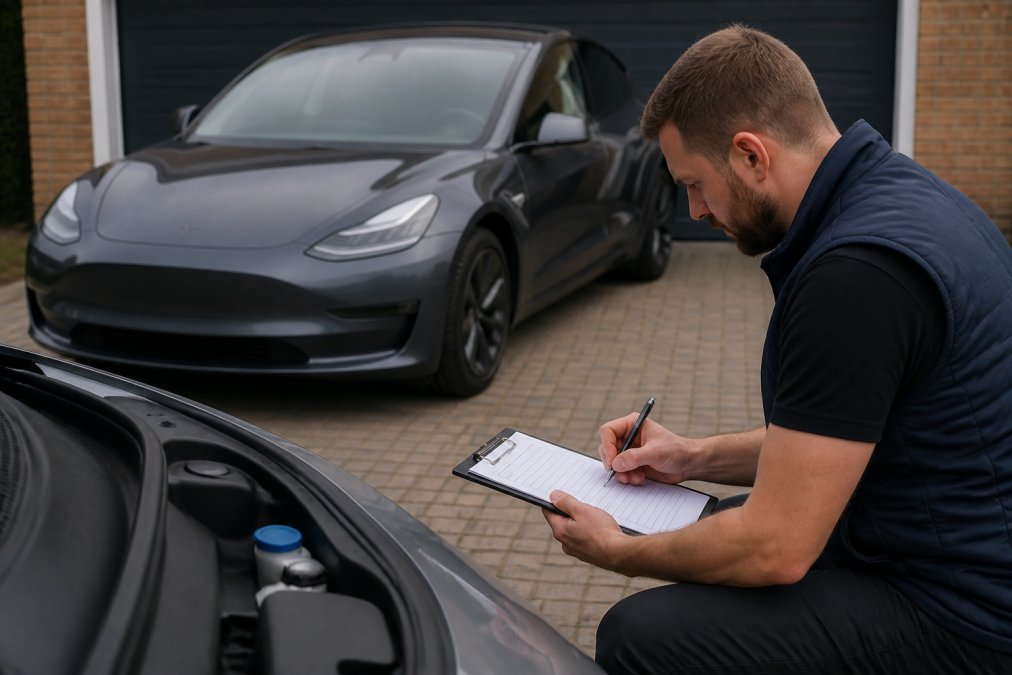
Battery state of health is the hidden variable in used EV pricing. Two identical Model 3 vehicles with the same mileage can have vastly different battery health depending on how they were charged and stored. A vehicle charged exclusively on rapid chargers will degrade faster than one charged mostly at home, even with identical mileage.
This is why independent battery assessment matters before committing to a used EV purchase. You're not relying on the seller's claim or the vehicle's dashboard estimate, you're getting objective data from professional diagnostic equipment.
Many used EV buyers in Kettering and surrounding areas discover that a vehicle they thought was a bargain actually has a degraded battery that will require expensive replacement within months. Conversely, some higher-priced vehicles prove to have excellent battery health, justifying the premium. Professional testing removes the guesswork.
Maintaining Your EV Battery Long-Term
Protecting your battery's state of health starts with charging habits. Charge to 80% for daily use, not 100%. Use home charging (7kW or 11kW wallbox) for routine top-ups rather than rapid chargers when possible. Reserve rapid charging for long journeys where you need speed.
Avoid leaving your vehicle in extreme temperatures when parked. Garage storage is ideal, but even a car cover helps reduce thermal stress. Don't let the battery sit at 0% charge for extended periods, this accelerates degradation. If storing your vehicle for weeks, keep it at 50% charge.
Monitor your battery health annually using in-vehicle diagnostics or professional tools. Early detection of unusual degradation patterns can point to charging issues, thermal management problems, or manufacturing defects that might qualify for warranty repair.
For vehicles approaching the end of manufacturer warranty, professional diagnostic testing identifies faults before coverage expires. This is especially valuable for out-of-warranty buyers who have no recourse if the battery fails unexpectedly.
Your EV's battery is its most critical component, and understanding its state of health puts you in control of long-term costs and reliability. Whether you're buying, selling, or maintaining an electric vehicle in Kettering or across Northamptonshire, professional battery assessment gives you the transparent data you need to make informed decisions. KMC Electric provides independent battery state-of-health verification and diagnostic testing that main dealers can't match, backed by over 25 years of automotive experience and Level 4 Master Technician status in electric vehicles since 2016. Get a professional assessment and understand exactly what your battery can deliver.
Frequently Asked Questions
What is considered a good battery state of health for an electric car?
A battery state of health above 80% is generally considered good for most electric vehicles. Many owners experience minimal range loss at this level. Between 70–80% is acceptable for older vehicles or those with higher mileage. Below 70%, you may notice more noticeable range reduction and should monitor the battery closely. Manufacturer warranties typically cover battery degradation beyond certain thresholds, though coverage varies by model and age.
How can I check the state of health of my EV battery?
Most modern electric vehicles display battery health information through their onboard systems or companion apps. Tesla vehicles, for example, show degradation data in the vehicle's settings. For a comprehensive assessment, a professional electric vehicle battery diagnostic test provides detailed insights into actual capacity and performance. Independent specialists can run advanced diagnostics that reveal battery condition more thoroughly than in-vehicle estimates alone.
What factors cause electric car battery degradation?
EV battery degradation factors include exposure to extreme temperatures, frequent rapid charging, deep discharge cycles, and simply ageing. High-speed or frequent fast-charging sessions stress the battery more than regular AC charging. Mileage accumulation naturally reduces capacity over time. Understanding these factors helps you adopt charging habits and storage practices that preserve battery longevity.
Does a low state of health mean I need a new battery?
Not necessarily. A low state of health reading means your battery has lost capacity, but it may still function adequately for your needs. If your range meets your daily requirements, replacement may not be urgent. However, if degradation is severe or continues rapidly, a professional diagnostic can determine whether repair, partial replacement, or full battery replacement is the right option. Early detection through battery health checks prevents unexpected failures.