Registration Accepted.
Password reset email sent.
Blog >
6 Signs Your Electric Car Needs Suspension Repair 6 Signs Your Electric Car Needs Suspension Repair
Jul 20, 2026 by Tim (KMC Electric)
Table of Contents
6 Signs Your Electric Car Needs Suspension Repair
Last Updated: July 20, 2026
Understanding the 6 signs your electric car needs suspension repair is crucial for maintaining vehicle safety and performance. Electric vehicles place unique demands on suspension systems due to their weight distribution and battery placement, making early detection of problems essential. Below, we'll show you exactly how to spot these signs, understand why they matter for electric cars specifically, and what steps to take next.
1. Uneven Tyre Wear and Tread Damage
Uneven tyre wear is one of the most visible indicators that your suspension system needs attention. Electric cars distribute weight differently due to their battery packs, which sit low in the chassis and create a centre of gravity that places different stress on each wheel.
Why EVs wear tyres differently
Electric vehicles are heavier than petrol equivalents, often 20-30% heavier due to battery weight. This additional mass concentrates in the floor of the vehicle, changing how the suspension handles cornering and braking forces. When suspension components like control arms, bushings, or ball joints wear out, they fail to maintain proper wheel alignment, resulting in accelerated tyre wear on one edge of the tread.
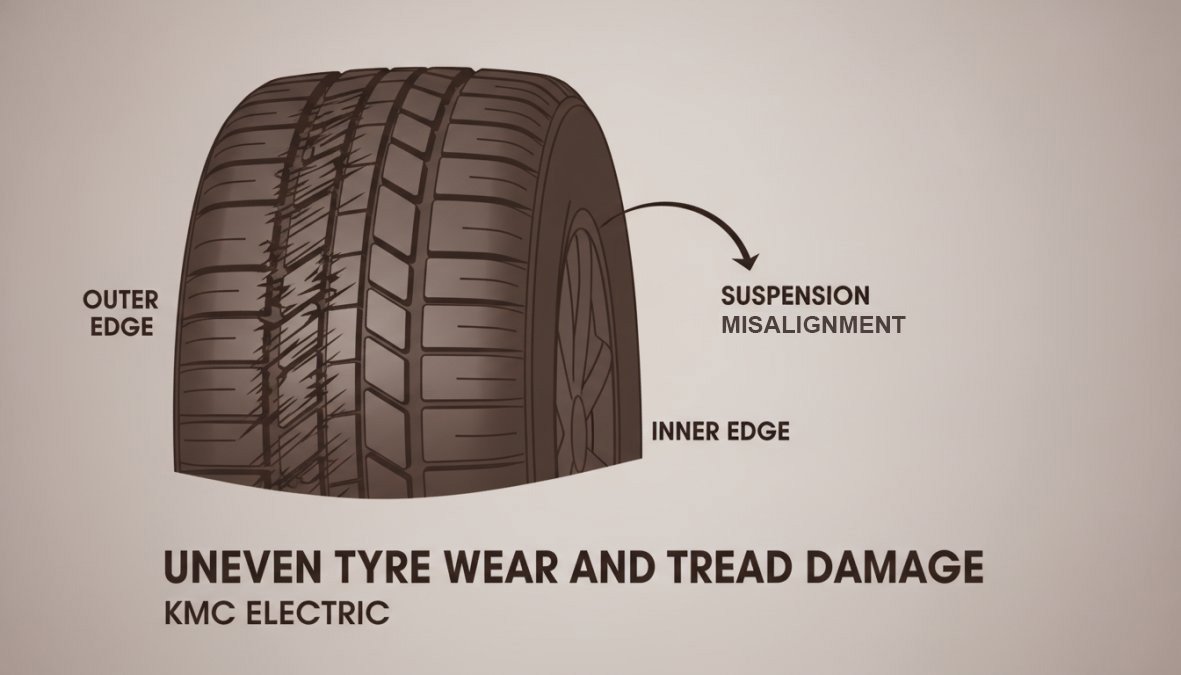
Close-up of electric vehicle tyre showing uneven wear patterns on inner and outer edges of tread surface with visible damage
Pro TipCheck your tyres monthly by running your hand across the tread surface. Wear on the inner or outer edge, rather than even wear across the entire width, signals suspension misalignment that needs professional diagnosis.
How to check for uneven wear patterns
Inspect all four tyres visually for wear concentrated on the inner edge, outer edge, or centre of the tread. Even wear across the full width is normal; concentrated wear is not. Use the penny test: insert a penny into the deepest tread groove. If you can see the top of Lincoln's head, the tread depth is below 1.6mm and replacement is overdue.
For detailed assessment, measure tyre tread depth at three points on each tyre using a tread depth gauge. Consistent measurements suggest normal wear, while measurements varying by more than 2-3mm between points indicate uneven wear caused by suspension geometry issues. Uneven wear often precedes other suspension symptoms by weeks or months, making it the most reliable early indicator.
2. Excessive Bouncing and Swaying on the Road
When your electric car bounces excessively after hitting a bump, or sways noticeably during cornering, your suspension dampers (shocks or struts) are likely worn. This is particularly noticeable in electric vehicles because their low centre of gravity normally provides excellent stability.
Testing your suspension response
Perform a simple test: drive slowly over a speed bump and observe how the vehicle responds. A healthy suspension will settle within one or two bounces. If your car bounces three or more times before stabilising, your dampers are failing to absorb energy properly.
During cornering, pay attention to body roll. Excessive swaying when turning at normal speeds indicates that the suspension is no longer controlling lateral movement. Regenerative braking in electric vehicles means the suspension experiences different stress patterns than conventional cars. When you lift off the accelerator, regenerative braking applies subtle braking force. This repeated cycle fatigues dampers faster than traditional driving patterns, with suspension showing wear by 60,000-80,000 miles in an EV.
Watch OutExcessive bouncing combined with swaying significantly increases stopping distance and reduces traction during emergency manoeuvres. This is a safety issue that requires professional inspection before continued driving.
3. Clunking and Rattling Noises from the Chassis
Unusual noises from underneath your vehicle often indicate suspension component failure. These mechanical sounds change in frequency or intensity based on road surface and driving conditions.
Identifying where the noise originates
Clunking noises typically come from worn ball joints, control arm bushings, or anti-roll bar links. When they wear, metal-to-metal contact creates a distinctive clunk, particularly when driving over bumps or during direction changes. Rattling noises often originate from loose suspension fasteners or worn stabiliser links that vibrate against their mounting points.
To identify the noise source, drive slowly over a bumpy road surface while listening carefully. Note whether the sound comes from the front, rear, or sides of the vehicle. Front-end clunking often indicates control arm or ball joint wear, while rear clunking might suggest worn suspension bushings or shock absorber issues.
Key TakeawaySuspension noises rarely resolve themselves; they worsen progressively. What starts as occasional clunking becomes constant noise and eventually affects vehicle handling and safety.
4. Vehicle Pulling or Drifting to One Side
If your electric car pulls to one side during straight-line driving, or drifts gradually when you release the steering wheel, your suspension geometry is compromised. This is distinct from tyre pressure imbalances, though both can cause similar symptoms.
Suspension damage versus wheel alignment issues
Wheel misalignment means the wheels aren't pointing in the correct direction relative to the vehicle chassis; this is adjustable through wheel alignment. Suspension damage means the structural components that hold the wheels in position are bent or worn; this requires component replacement.
To distinguish between them: if your vehicle pulls equally hard in both directions, the problem is likely wheel alignment. If the pull is worse in one direction than the other, or if the vehicle pulls only when braking or accelerating, suspension damage is more likely. When driving straight, your steering wheel should be centred; if you need to hold it at an angle, misalignment or suspension damage is present.
Electric vehicles complicate this diagnosis because regenerative braking applies force differently than traditional friction braking. If your vehicle pulls only during regenerative braking, the issue likely involves the brake system rather than suspension. However, pulling during both acceleration and coasting suggests suspension geometry problems.
5. Nose Diving During Braking and Regenerative Braking Impact
Nose diving, the front of the vehicle dipping noticeably during braking, indicates that your front suspension cannot properly control the weight transfer that occurs when braking. Excessive diving suggests worn or damaged suspension components.
How EV regenerative braking affects suspension wear
Regenerative braking in electric vehicles creates unique suspension stresses. When you lift off the accelerator, the electric motor reverses, slowing the vehicle while capturing energy. The suspension experiences this braking force constantly during normal EV driving. A driver who relies on regenerative braking for 80% of their deceleration events applies suspension stress thousands of times per month, fatiguing components faster than traditional driving patterns.
Excessive nose dive during regenerative braking suggests that your front suspension dampers are failing. When dampers wear, they lose their ability to control the downward compression of the front suspension during braking. Brake dive is normal to a degree; expect 1-2 inches of front-end drop during normal braking. If your vehicle dips more than 3-4 inches, or if the front end takes more than 2-3 seconds to recover, your suspension needs professional inspection.
Pro TipTest nose dive in a safe, empty car park. Accelerate to 30 mph, then brake firmly and smoothly. Observe how far the front end dips and how quickly it recovers. Significant changes from when the vehicle was new indicate suspension wear.
6. Stiff or Unresponsive Steering and Handling
Electric cars are known for responsive, precise steering. When steering becomes stiff or feels vague and unresponsive, suspension problems are often the culprit. Stiff steering often indicates worn suspension bushings or ball joints that have lost their flexibility. Bushings are rubber or polyurethane components that allow suspension parts to move smoothly; when they wear, the suspension becomes rigid, transmitting more road shock directly to the steering wheel.
Unresponsive steering, where the wheel requires more input to change direction, suggests that your suspension is no longer controlling the vehicle's body roll during cornering. The vehicle leans excessively, and the tyres lose grip, requiring more steering angle to achieve the desired direction change. Many EV owners report that their vehicle "doesn't feel like it used to," which is often the first sign of suspension wear.
EV Suspension Maintenance Tips to Prevent Damage
Preventative maintenance extends suspension component life and catches problems early, before they affect safety or require expensive repairs.
Scheduled checks for your electric vehicle
Inspect your suspension annually, or every 12,000 miles, whichever comes first. Professional inspections involve lifting the vehicle and checking for play in ball joints, cracks in bushings, and leaks from shock absorbers or struts. Check tyre pressure monthly; underinflated tyres increase rolling resistance and accelerate damper wear. Rotate tyres every 6,000-8,000 miles to ensure even wear across all four tyres.
Avoid overloading your vehicle beyond its maximum payload capacity, listed in your owner's manual. Smooth acceleration and braking reduce suspension stress; aggressive driving fatigues components faster. The battery pack in your electric vehicle sits low in the chassis, creating a low centre of gravity that improves handling but stresses the suspension differently than conventional vehicles.
Electric Car Suspension Repair Cost: What to Expect
Understanding repair costs helps you make informed decisions about maintenance and repair timing.
Diagnostic testing versus full repair
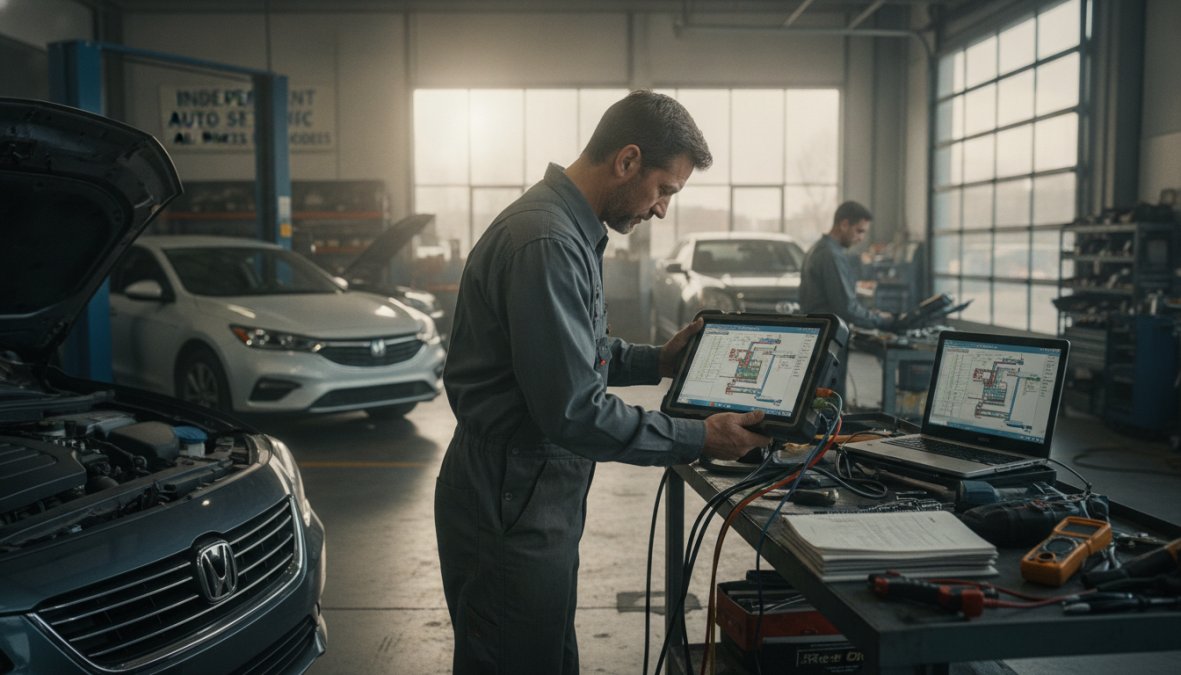
Professional suspension diagnostics typically cost between £60-£150 depending on complexity. Diagnostics involve a visual inspection, test drive, and often electronic scanning to identify worn components. This investment often saves money by preventing unnecessary repairs.
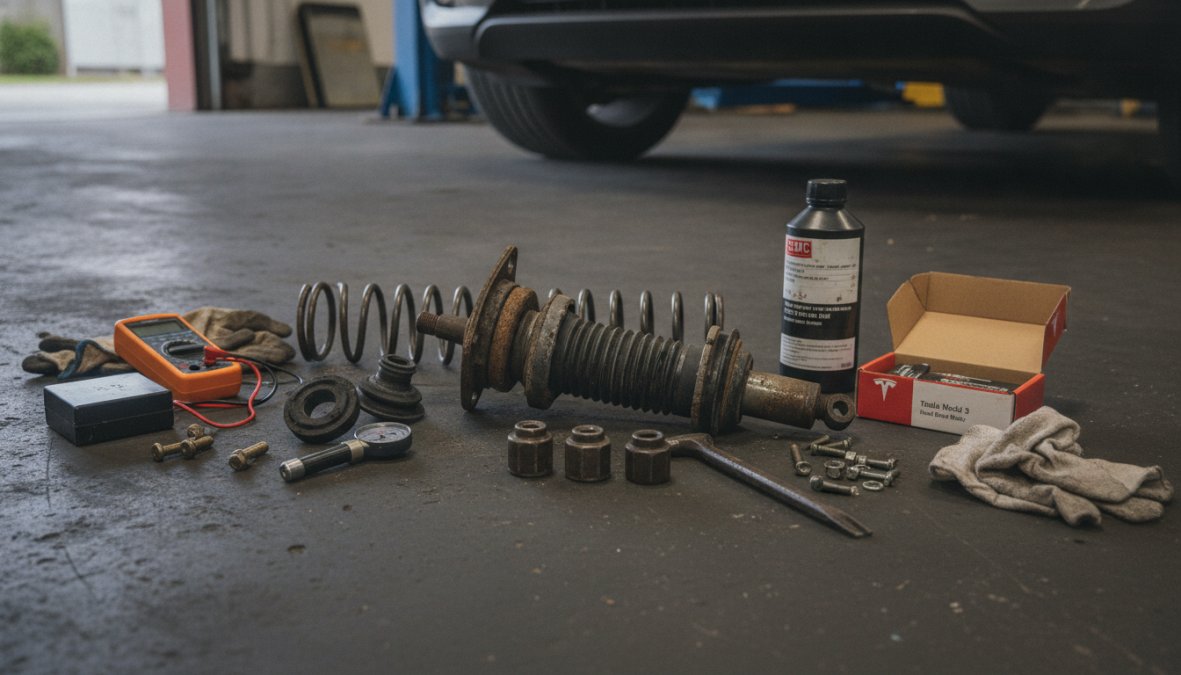
Suspension component replacement costs vary widely. Control arm replacement typically ranges from £200-£400 per side. Ball joint replacement costs £150-£300 per joint. Shock absorber or strut replacement ranges from £300-£600 per unit depending on the vehicle model and component quality.
Diagnostic Method | Cost | Accuracy | Safety Risk |
|---|
Visual inspection (DIY) | Free | 40-50% | High, may miss critical issues |
Professional visual inspection | £40-£60 | 75-85% | Low, trained eye catches most issues |
Electronic diagnostics (professional) | £80-£150 | 90-95% | Very low, equipment identifies component failures precisely |
Full suspension service (professional) | £200-£600+ | 99%+ | Very low, comprehensive assessment and repair |
Recognising the 6 signs your electric car needs suspension repair puts you in control of your vehicle's maintenance and safety. Early detection prevents expensive repairs and keeps your EV performing as intended. If you've noticed any of these warning signs, uneven tyre wear, excessive bouncing, chassis noises, pulling, nose dive, or steering changes, professional inspection is your next step. Contact a qualified EV technician for a professional suspension assessment and discover exactly what your vehicle needs.
Frequently Asked Questions
What are the most common signs your electric car needs suspension repair?
The most common warning signs include uneven tyre wear, excessive bouncing or swaying, clunking noises from the chassis, vehicle pulling to one side, nose diving during braking, and stiff or unresponsive steering. Electric vehicles experience unique suspension stress due to their heavier battery packs and regenerative braking systems. If you notice any of these signs, professional diagnostic assessment is recommended to prevent further damage and ensure road safety.
Why do electric cars need more frequent suspension maintenance than petrol vehicles?
EVs typically weigh significantly more than comparable petrol cars due to their battery packs, placing greater stress on suspension components like shocks, struts, control arms, and bushings. Additionally, regenerative braking systems place different loads on the suspension during deceleration compared to traditional friction braking. This combination accelerates wear on dampers and suspension geometry, making regular maintenance and early fault identification essential for extending vehicle service life.
How much does electric car suspension repair typically cost?
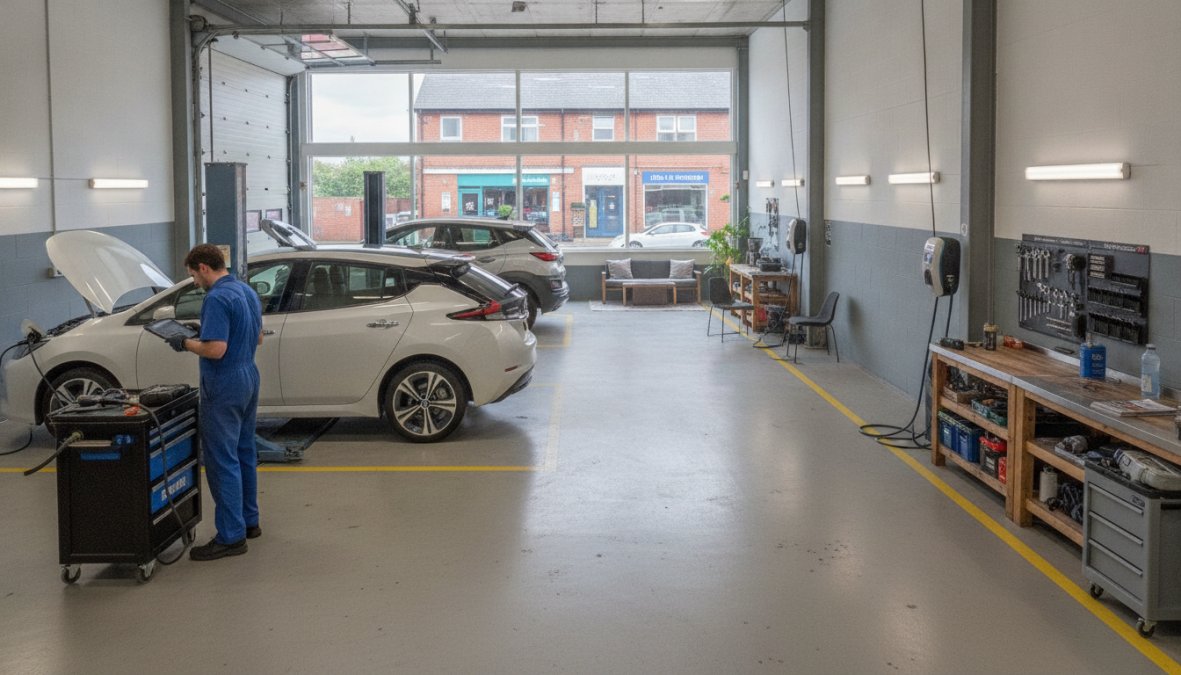
Suspension repair costs vary depending on which components need attention. A professional diagnostic assessment is the first step to identify the exact issue. Common repairs range from minor adjustments to full component replacement. Independent EV specialists often provide cost-effective alternatives to main dealer networks, offering transparent pricing and practical, real-world fixes. We recommend obtaining a diagnostic assessment before committing to repairs to understand your specific situation.
Can I drive my electric car safely with suspension problems?
Driving with known suspension issues compromises vehicle stability, handling, and road safety. Worn shocks, struts, or damaged control arms reduce your ability to maintain steering control, increase stopping distances, and can cause uneven tyre wear that creates further safety risks. If you suspect suspension damage, avoid extended driving and seek professional diagnosis promptly. Early intervention prevents minor issues from becoming expensive repairs and maintains your vehicle's safety and longevity.
What's the difference between DIY suspension checks and professional diagnostic testing?
DIY checks—such as visual tyre inspection, bounce tests, and listening for noises—can identify obvious problems but lack precision. Professional diagnostic tools like suspension testers and alignment systems provide accurate measurements of damping performance, wheel geometry, and component wear. For EVs specifically, professional diagnostics can assess how regenerative braking is affecting suspension components and identify faults before warranty expiry. Independent specialists with EV expertise offer thorough assessments that prevent costly misdiagnoses.