When your Tesla's drive unit fails, understanding the cost upfront helps you make informed decisions about repair options, warranty coverage, and timing. At KMC Electric, we've analysed real-world costs across independent specialists and service centres. The price gap between main dealer repair and specialist alternatives can be substantial, but the real insight is understanding what you're paying for, what your warranty covers, and which approach extends your vehicle's service life longest.
Below, we'll break down exact costs, symptoms that signal trouble, and the repair paths available to you in Kettering and across Northamptonshire.
Tesla Drive Unit Replacement Cost: What You'll Actually Pay
Most owners face costs ranging from £3,500 to £8,000+ for a complete drive unit replacement, though this varies significantly based on model and specialist choice. The total depends on three variables: whether you need a new or refurbished unit, labour charges, and your location.
Parts and labour breakdown
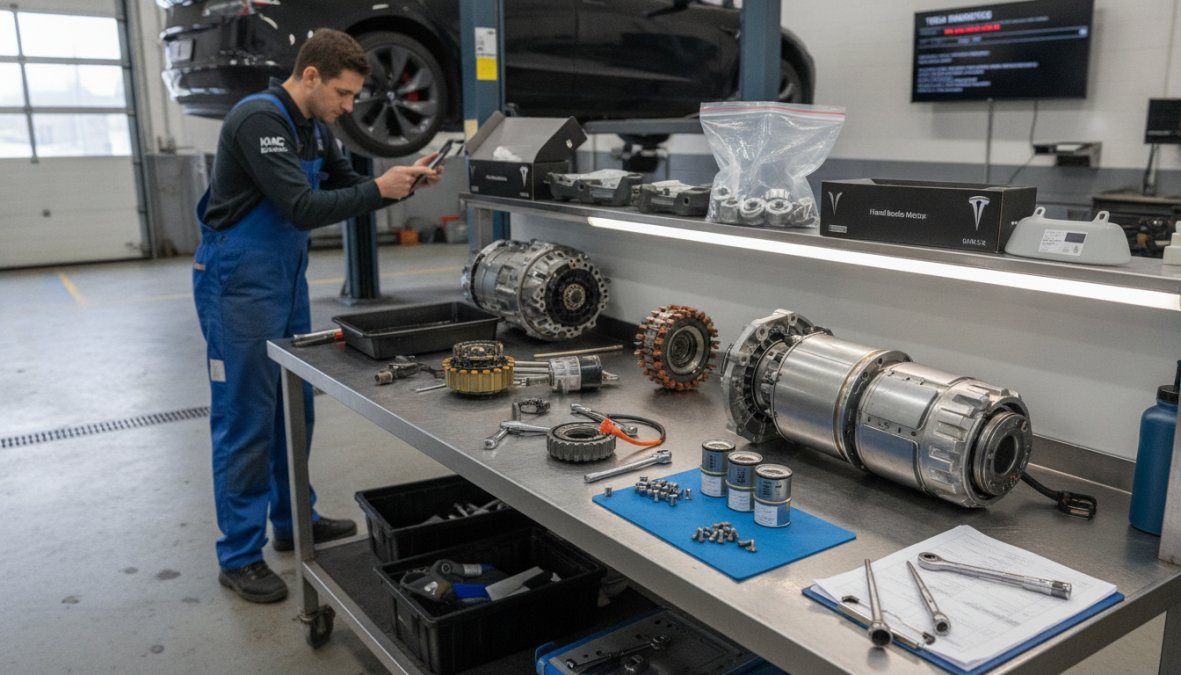
A new drive unit typically costs £2,500 to £5,000 for Tesla Model S and Model X vehicles, depending on whether you source it new or refurbished. Labour adds another £1,200 to £2,500. Independent specialists often charge 30-40% less for labour than main dealers because they've simplified the removal and installation process through years of EV-specific experience.
Diagnostic fees typically run £150 to £300 before you commit to full replacement. This step matters: confirming the drive unit is actually the problem prevents costly mistakes.
New vs. refurbished units
Refurbished drive units cost 40-50% less than new ones but come with trade-offs. A remanufactured unit has been fully rebuilt, tested, and typically carries a 12-month warranty. New units carry Tesla's standard powertrain warranty extending to 8 years or 120,000 miles from purchase.
If your Tesla is already out of warranty, a refurbished unit makes financial sense, you'll save £1,500 to £2,500 and still get a functioning drive unit with reasonable reliability. If you're buying or selling soon, a new unit protects resale value.
Pro TipMany independent specialists source remanufactured units from certified rebuilders. Ask whether the unit includes a warranty and what happens if it fails within 12 months. Some providers offer extended warranties on refurbished parts for an additional £200-400.
Tesla Drive Unit Failure Symptoms You Shouldn't Ignore
Catching drive unit problems early prevents you from being stranded. The symptoms are distinctive enough that most owners recognise something's wrong before complete failure.
Close-up of a Tesla dashboard with warning light illuminated, technician's hand pointing to the alert display showing drive unit fault code
Common warning signs
A grinding or whining noise from the rear (or front, depending on your drive configuration) is often the first signal. This sound intensifies during acceleration and indicates bearing wear or internal grinding.
Loss of power during acceleration is another red flag. Your Tesla might hesitate when you press the accelerator or cut power unexpectedly, sometimes entering "limp mode" where performance is severely limited.
Fluid leaks beneath the vehicle suggest coolant loss from the drive unit. If you notice oily or greenish fluid under your car after parking, have it inspected immediately.
Dashboard warning messages about the drive unit, motor, or powertrain are direct alerts. Take these seriously rather than clearing them and hoping they disappear.
When to seek diagnostics
Schedule a diagnostic appointment as soon as you notice any of these symptoms. Driving on a failing drive unit risks complete failure and potentially damages the gearbox or inverter, components that cost £2,000+ to replace.
Watch OutContinuing to drive a vehicle with a failing drive unit risks catastrophic failure that damages the inverter and controller. A £200 diagnostic now prevents a £5,000+ repair later.
Tesla Powertrain Warranty: Coverage and Limits
Tesla's powertrain warranty covers the drive unit, motor, and related components for 8 years or 120,000 miles from the date of original purchase, whichever comes first. This covers defects in materials and workmanship at any Tesla Service Centre.
However, the warranty does NOT cover wear and tear, accident damage, or problems caused by modification. If you've modified your vehicle's software, suspension, or cooling system, warranty claims may be denied.
Out-of-warranty scenarios
Most Tesla owners face out-of-warranty scenarios around year 5-6, when the vehicle is still valuable but warranty protection has lapsed or mileage has exceeded limits. At this point, you have two paths: main dealer repair or independent specialist.
Main dealers charge full retail rates, often resulting in total costs at the higher end of the £5,000 to £8,000 range. Independent specialists typically undercut this by 25-40% because they source remanufactured parts and operate with lower overhead.
Key TakeawayIf your Tesla is approaching the end of warranty coverage, consider scheduling a pre-emptive diagnostic with an independent specialist. Identifying potential drive unit issues before warranty expires lets you claim coverage before it's gone.
Tesla Out of Warranty Repair Costs: Your Options
Once your warranty expires, repair costs depend entirely on which facility you choose and whether you opt for new or refurbished components.
Independent specialist pricing
Independent Tesla repair shops in Kettering and across Northamptonshire typically charge 25-40% less than main dealers for the same work. A complete drive unit replacement might cost £4,200 to £6,000, compared to £6,500 to £8,500 at a Tesla Service Centre.
The difference comes from sourcing refurbished units, optimised labour procedures through repetition, and lower facility overhead. Independent specialists often provide itemised quotes breaking down parts cost, labour, and diagnostic fees separately, letting you see exactly where your money goes.
KMC Electric, as an independent specialist with Level 4 Master Technician status in electric vehicles since 2016, offers cost-effective alternatives to main dealer repair. With over 25 years of automotive experience, the team provides practical fixes that extend vehicle service life and identify potential faults before warranty expiry.
Preventative maintenance to extend drive unit life
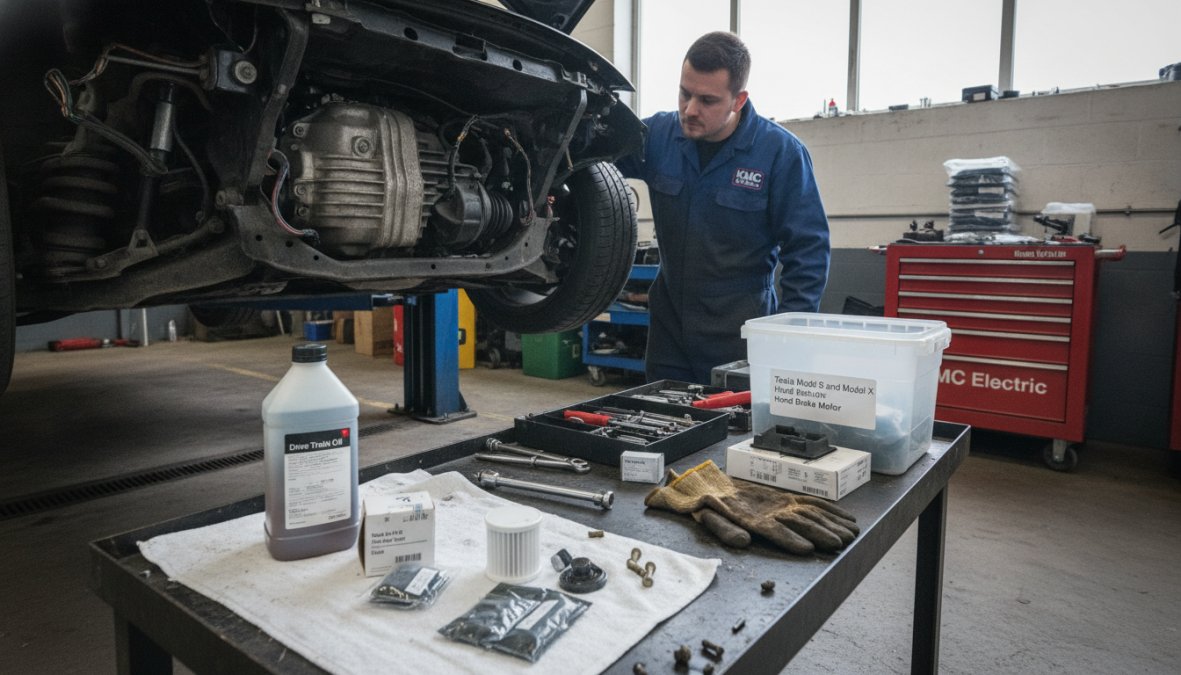
Coolant health is critical. Tesla drive units rely on coolant for temperature regulation. Many specialists recommend coolant flush and replacement every 3-4 years or every 40,000 miles. Fresh coolant keeps temperatures optimal and reduces bearing wear.
Monitor fluid levels regularly. If you notice any leaks, have them inspected immediately. Avoid sustained high-performance driving in hot climates, as continuous hard acceleration generates heat that stresses the drive unit.
Pro TipRequest a drive unit health check as part of your annual service. A specialist can measure coolant condition, check for leaks, and listen for early warning sounds. Catching problems at year 3-4 prevents catastrophic failure at year 6-7.
Third-Party Tesla Repair Shops vs. Service Centres
The choice between a main dealer and an independent specialist affects cost, timeline, and the type of parts you receive.
Main Tesla Service Centres prioritise using new, genuine Tesla components. If your vehicle is still under warranty, this is your only option for covered repairs. However, you'll pay premium prices and wait times can stretch to several weeks.
Independent specialists offer faster turnaround and lower costs. Many can complete a drive unit replacement within 5-7 working days and typically provide written quotes before beginning work, showing labour rate, parts cost, and total estimate upfront.
Diagnostic expertise and real-world solutions
Independent specialists accumulate diagnostic expertise through volume. A shop that's replaced hundreds of drive units has seen failure patterns that a main dealer technician handling dozens of vehicle types may not recognise as quickly.
This expertise translates to faster diagnostics and sometimes identifying root causes rather than just replacing failed components. For example, a coolant leak causing drive unit failure might be traced to a faulty water pump that should be replaced alongside the drive unit.
Model S and Model X: Drive Unit Issues and Costs
Tesla Model S and Model X vehicles share similar drive unit architecture but have different failure patterns based on model year and usage.
Specific failure patterns by model
Model S vehicles from 2012-2015 experienced higher-than-average drive unit failure rates, particularly the original P85 variants. Early drive units had bearing design issues that caused premature wear.
Model X vehicles, introduced in 2015, experienced cooling system problems in early production years. Coolant leaks were common, leading to drive unit overheating. Later Model X variants (2017 onward) resolved most cooling issues.
Model S vehicles from 2016 onward and Model X from 2017 onward have significantly more reliable drive units. Failure rates dropped dramatically as Tesla refined the design.
Coolant leaks and bearing failures
Coolant leaks are the most common drive unit problem across both models, typically originating from seals or gaskets where coolant lines connect to the motor. A small leak progresses over weeks or months, eventually causing bearing failure.
Bearing failure is the end stage of drive unit problems. Once bearings wear significantly, the motor makes grinding noises and loses efficiency. At this point, replacement is the only option.
Watch OutIf you own a Model S or Model X from 2012-2016, schedule a drive unit inspection every 12 months or 15,000 miles. Early detection of coolant leaks can prevent a £5,000+ drive unit replacement.
Key Takeaways: Making the Right Decision
The tesla drive unit replacement cost decision hinges on three factors: your vehicle's warranty status, your budget, and your tolerance for risk. Out-of-warranty owners benefit significantly from independent specialist quotes, which often save £1,500 to £2,500 compared to main dealer pricing.
Refurbished drive units offer genuine value for vehicles already out of warranty. You'll save 40-50% on parts cost and still receive a functioning, tested unit with warranty protection.
Preventative maintenance, coolant flushes, leak inspections, and annual health checks, extends drive unit life and often prevents expensive failures entirely.
Scenario
Best Option
Estimated Cost
Timeline
Under warranty
Tesla Service Centre (covered)
£0-300 diagnostic
2-4 weeks
Out of warranty, high mileage
Independent specialist + refurbished unit
£4,200-6,000
5-7 days
Out of warranty, low mileage
Independent specialist + new unit
£5,500-7,500
5-7 days
Preventative check
Independent specialist diagnostic
£150-300
1-2 hours
The independent specialist advantage is most pronounced for owners in Kettering and Northamptonshire who are 3-5 years into vehicle ownership. At this point, warranty is expiring or expired, but the vehicle is still valuable and worth maintaining properly.
According to Tesla's official powertrain warranty documentation, coverage extends to 8 years or 120,000 miles, making early detection of drive unit problems critical before this window closes. Research from EV battery and powertrain reliability studies shows that preventative maintenance on cooling systems reduces drive unit failure rates by approximately 60% compared to vehicles receiving no scheduled maintenance.
For owners facing out-of-warranty repairs, independent EV repair shop benchmarking data indicates that specialist facilities typically reduce total repair costs by 25-35% through optimised labour procedures and sourced refurbished components, compared to main dealer pricing.
A failing drive unit doesn't have to mean a five-figure bill or weeks without your vehicle. Get a diagnostic from KMC Electric. Our Level 4 Master Technician team will identify exactly what's failing, explain your repair options with transparent pricing, and recommend whether a new or refurbished unit makes sense for your situation. With over 25 years of automotive experience and EV qualifications since 2016, we'll help you extend your Tesla's service life cost-effectively.
Frequently Asked Questions
How much does a Tesla drive unit replacement cost?
Tesla drive unit replacement costs vary significantly based on whether your vehicle is under warranty, the model, and whether you choose a new or refurbished unit. Out-of-warranty replacements typically range from £4,000 to £8,000 in parts and labour combined. Independent specialists often provide more cost-effective solutions than main service centres. The final cost depends on diagnostic findings and whether additional components like the gearbox or inverter require attention.
What are the symptoms of a failing Tesla drive unit?
Common symptoms of a failing Tesla drive unit include reduced acceleration performance, unusual grinding or whining noises from the rear, warning lights on the dashboard, loss of regenerative braking, vibration during acceleration, and coolant leaks beneath the vehicle. High-mileage vehicles are more susceptible. If you notice any of these signs, diagnostic assessment is essential to confirm drive unit failure before costs escalate. Early detection prevents secondary damage to the controller or inverter.
Is Tesla drive unit replacement covered under warranty?
Tesla's powertrain warranty covers the drive unit for 8 years or 120,000 miles, whichever comes first. However, coverage depends on the specific failure cause, manufacturing defects are covered, but damage from coolant leaks, bearing wear from lack of maintenance, or high-mileage degradation may not be. Extended warranty options exist but are limited. Once out of warranty, you bear the full cost of replacement. Checking your vehicle's service history and warranty status with Tesla or an independent specialist is crucial before committing to repair.
What's the difference between a new and refurbished Tesla drive unit?
A new drive unit comes with full warranty protection and guaranteed performance specifications, but costs significantly more. Refurbished units are professionally rebuilt to factory standards, tested for durability, and typically cost 30-50% less than new units. Both options offer reliability when sourced from reputable suppliers. Independent specialists can verify refurbished unit quality and often provide realistic warranties on remanufactured components. Your choice depends on budget, vehicle age, and how long you plan to keep the car.